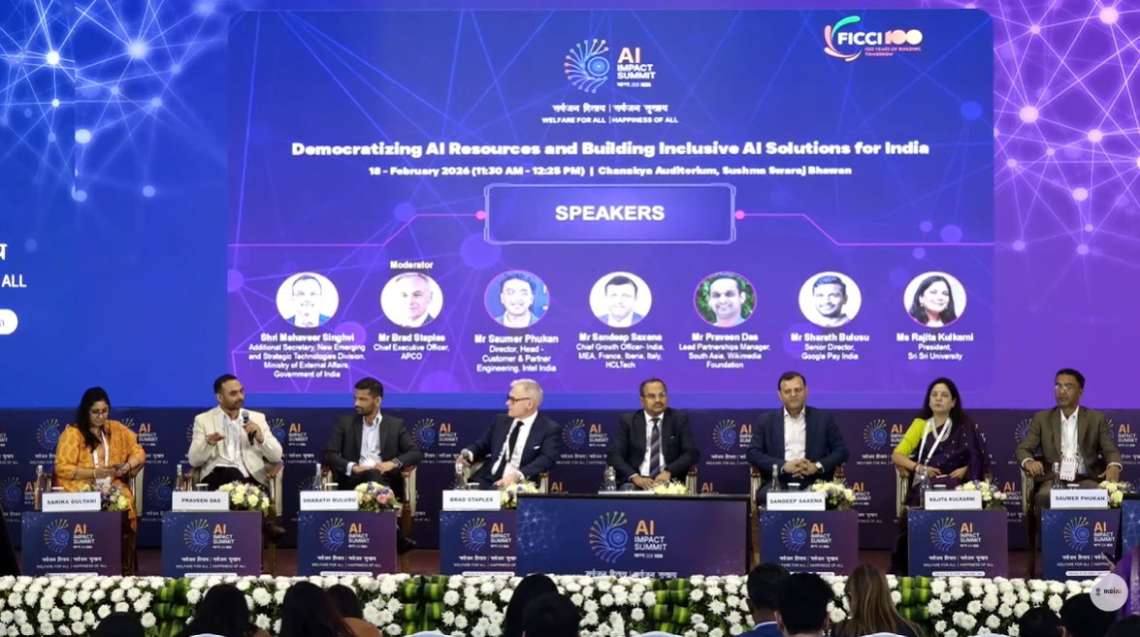
The Sessions focus on bridging the AI adoption gap between the Global North and South, where usage rates in much of Asia, Africa, and Latin America hover below 10 per cent while exceeding 50 per cent in some wealthy nations..reports Asian Lite News
The ‘India AI Impact Summit 2026’ in the national capital offers a refreshingly different perspective on AI discussions in the US and Europe. It centres on a more pragmatic and inclusive vision prioritising human progress and equitable growth.
“Hosted by the world’s largest democracy and the first major AI summit in the Global South, it challenges the prevailing narrative and positions India as a credible bridge-builder in a fractured technological landscape,” according to an article in online publication One World Outlook.
“From Washington to Brussels, policymakers should view the New Delhi Summit not as competition but as a complement. The West’s strengths in frontier research and safety standards are indispensable, but they must be married to the scale and urgency of the developing world,” the article written by Daniel J. Kaplan states.
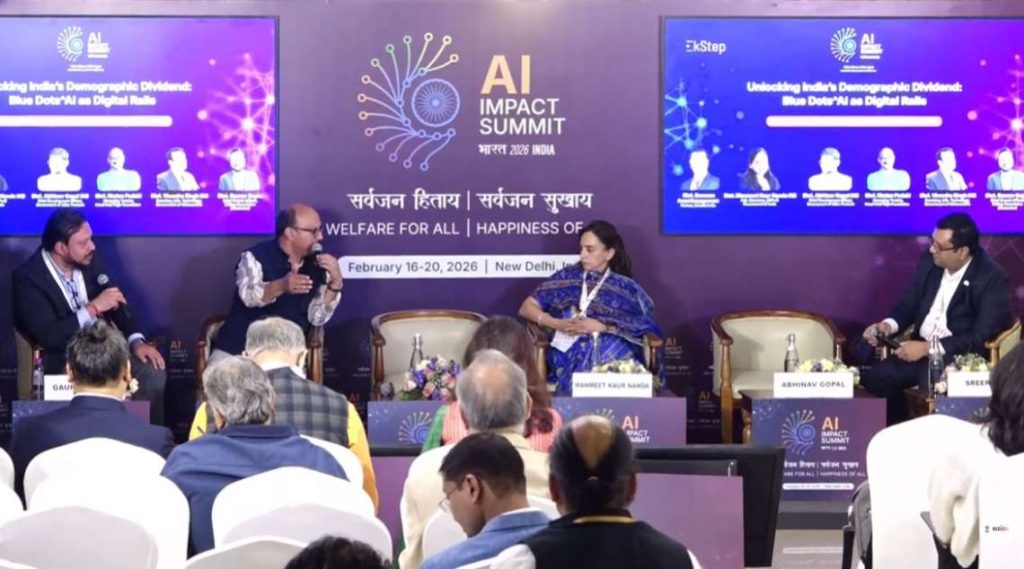
If the summit delivers a shared roadmap for global AI governance that balances innovation, inclusion, and responsibility, it could mark a turning point, the article observes.
The article highlights that the AI debate in the West has swung between hype and alarm. While optimists like Sam Altman of OpenAI and Sundar Pichai of Alphabet emphasise AI’s transformative potential to solve climate challenges, cure diseases, and boost productivity, the regulators and ethical minded intellectuals warn of job displacement, bias amplification, misinformation, and even existential risks.
However, India with its 1.4 billion strong population, massive digital infrastructure that includes Aadhaar and UPI and the world’s largest talent pool of STEM graduates is in a position to reframe AI not as a threat to be contained but as a tool for inclusive development, the article observes.
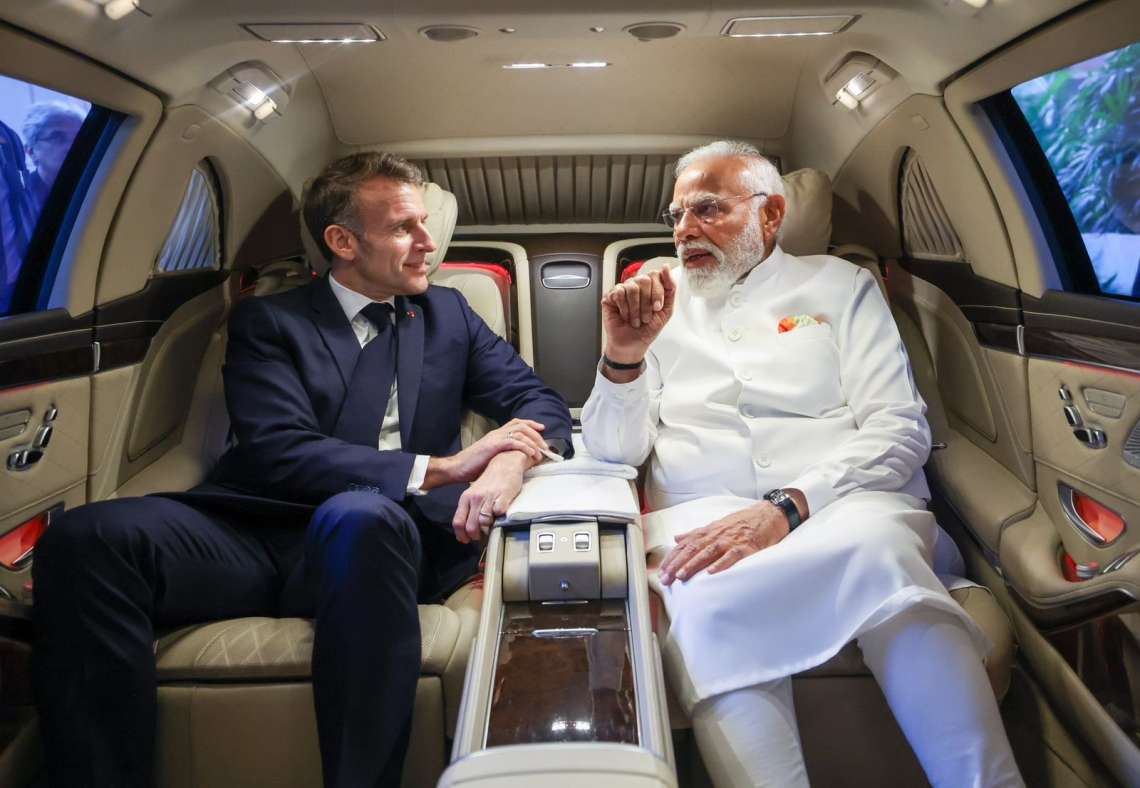
It further observes that AI summits held in the UK and France have been dominated by a handful of powerful nations and companies, with developing economies relegated to the role of rule-takers rather than co-authors. In contrast, the India AI summit brings together over 20 heads of state, including France’s Emmanuel Macron, Brazil’s Luiz Inacio Lula da Silva, and others, alongside tech CEOs from OpenAI, Anthropic, Google, Microsoft, and Nvidia while more than 100 countries are participating.
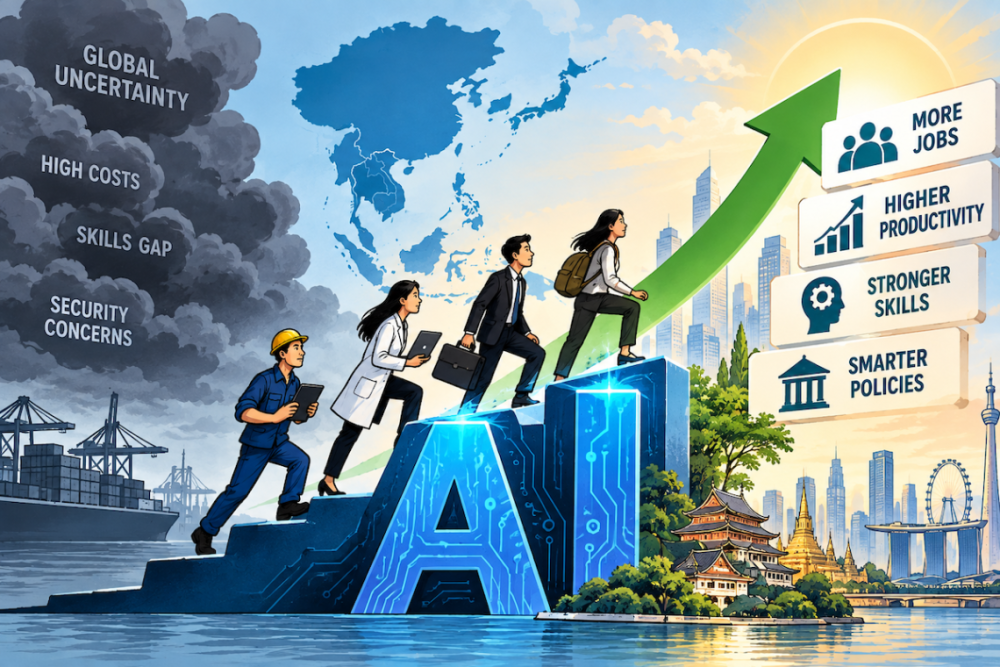
The article points out that the summit stands out with its deliberate emphasis on applied, real-world AI rather than abstract doomsday scenarios. Sessions focus on bridging the AI adoption gap between the Global North and South, where usage rates in much of Asia, Africa, and Latin America hover below 10 per cent while exceeding 50 per cent in some wealthy nations.
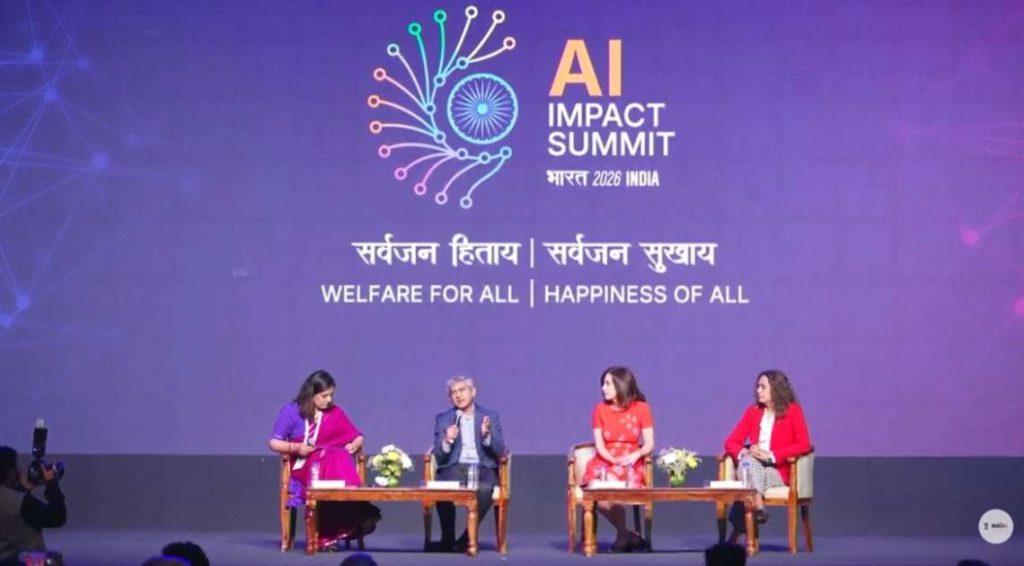
Discussions highlight building sovereign tech stacks, ethical governance, and AI’s role in augmenting livelihoods, think AI-powered healthcare diagnostics in rural areas, precision agriculture for small farmers, or skilling programs to prepare workforces for an automated future.
This approach resonates because it addresses a blind spot in Western AI debates which are focused on regulating frontier. However, they overlook the immediate, tangible benefits (and risks) AI already delivers in everyday contexts. India’s summit redirects attention to “small AI, big impact”, deployable tools that strengthen public services, empower entrepreneurs, and support sustainable development.
“By hosting this in the Global South, India forces a reckoning: AI governance cannot succeed if it ignores the priorities of the majority of humanity,” the article states.
It also opines that India’s credentials for this role are substantial. The country has quietly become an AI powerhouse. Its startups are innovating in vernacular-language models, affordable compute solutions, and sector-specific applications.
Crucially, India’s vibrant democratic system is a counterpoint to the state-driven models of China or the laissez-faire approach of early U.S. dominance. As Prime Minister Narendra Modi noted in inaugurating the Summit, AI must serve humanity inclusively, not concentrate power further.