The India-Middle East-Europe Economic Corridor is being viewed as a major initiative to strengthen trade, energy and digital connectivity across three regions….reports Asian Lite News Desk
The India-Middle East-Europe Economic Corridor (IMEC) is increasingly being viewed as a key initiative for strengthening trade, energy and digital connectivity across Asia, the Middle East and Europe, with experts arguing that its strategic importance has grown despite delays caused by regional conflicts.
The corridor, unveiled during the G20 Summit in New Delhi in September 2023, aims to establish an integrated network linking India, the Middle East and Europe through railways, ports, energy infrastructure and digital connectivity. According to an article published by the Middle East Institute, the project is also seen in part as an alternative to China’s Belt and Road Initiative (BRI).

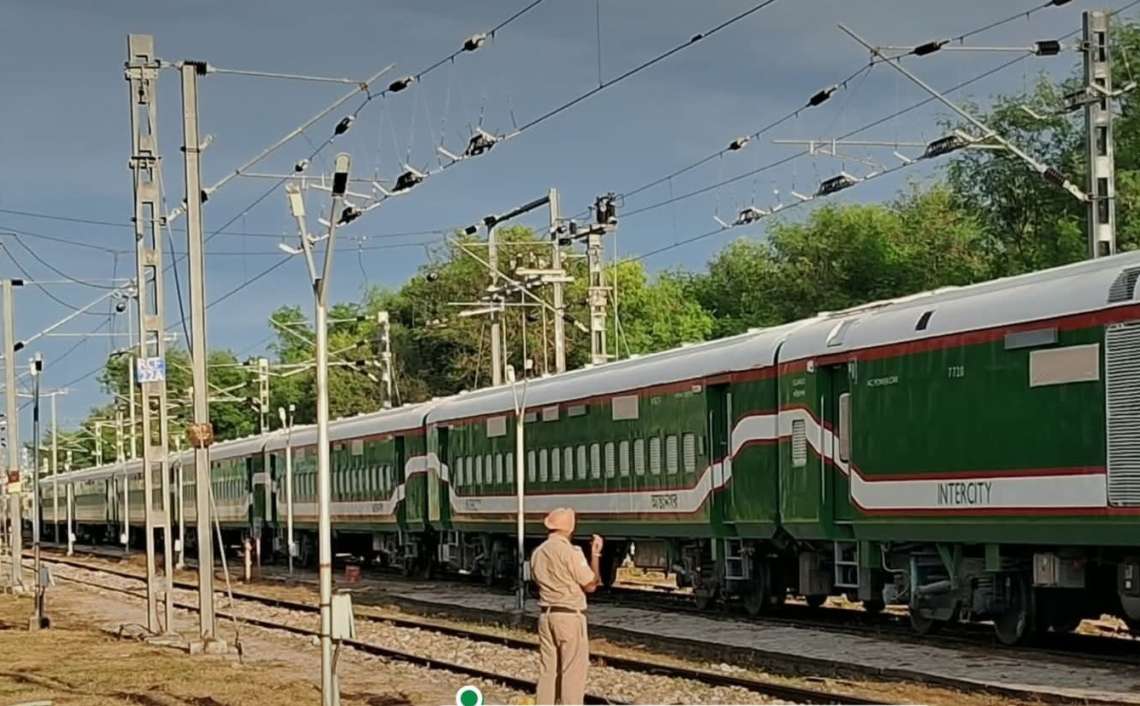
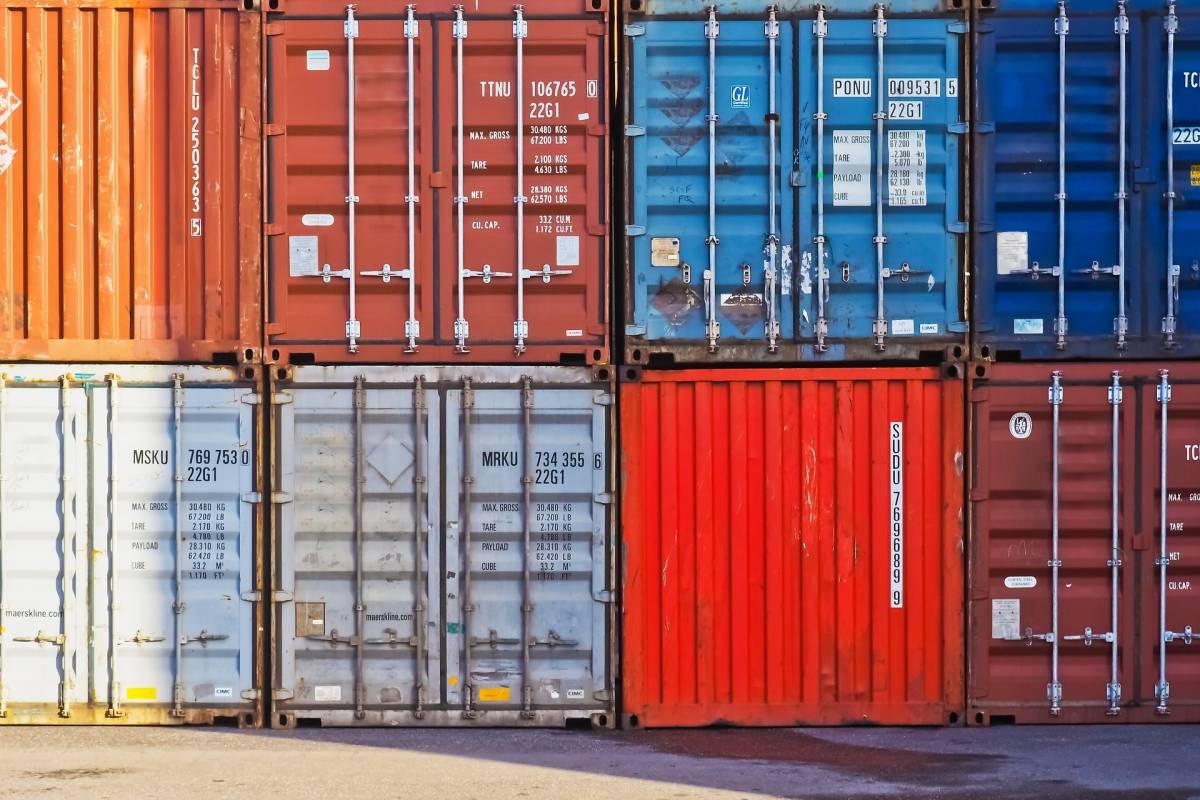
The proposed corridor seeks to create a resilient supply chain linking the three regions while facilitating the movement of goods, energy and data. Planned infrastructure includes upgraded ports, rail networks, power grids and subsea communication cables designed to provide a more efficient route for trade and digital connectivity.
The initiative is backed by India, the United States, the United Arab Emirates, Saudi Arabia, Israel, Jordan, France, Germany, Italy and the European Union. Several regional countries, including Qatar, Oman, Turkey, Iraq and Iran, are not among the current signatories.
While the project has been slowed by ongoing conflict in the Middle East, analysts argue that the factors that prompted its creation have become even more pressing. Growing geopolitical tensions, supply chain disruptions and concerns over the security of key maritime routes have reinforced the need for alternative transport and connectivity corridors.

The article notes that vulnerabilities in global trade networks were exposed by events such as the 2021 blockage of the Suez Canal and attacks affecting shipping routes in the Red Sea since late 2023. IMEC is expected to provide an alternative route that could significantly reduce transit times between India and Europe and lower transportation costs by as much as 30 per cent.
Beyond transport links, the project’s long-term significance is seen in the energy and technology sectors. Proposed fibre-optic cables along the corridor would create additional digital connectivity between India, the Gulf and Europe while reducing dependence on existing data routes passing through strategic chokepoints such as the Bab al-Mandab Strait.
The report highlights India’s growing demand for digital infrastructure as a key factor behind the project’s appeal. Although India generates nearly one-fifth of the world’s data, it accounts for only a small share of global data centre capacity, creating significant demand for additional cross-border data networks and undersea cable investments.

Technology cooperation is emerging as a central pillar of India’s relationship with Gulf nations. Alongside collaboration in ports, railways and telecommunications, India has prioritised the expansion of its semiconductor and digital infrastructure sectors.
According to the article, the high-capacity fibre-optic networks proposed under IMEC would provide faster and more reliable data transmission between Europe, the Gulf and India, helping support rising demand from businesses and technology industries across the region.
Despite current uncertainties surrounding its implementation, analysts believe infrastructure projects such as IMEC will remain central to efforts aimed at building stronger economic integration and a more interconnected future across the Middle East, Europe and Asia.