June 4, 2026
2 mins read

Mashatile Visit Gives Fresh Momentum to India–South Africa Ties

South African Deputy President Paul Mashatile’s visit to India underscored efforts to strengthen strategic and economic cooperation amid global uncertainty…reports Africa Daily News desk

South African Deputy President Paul Mashatile’s visit to India has signalled a renewed effort by both countries to deepen their strategic, economic and diplomatic partnership as they navigate an increasingly uncertain global environment.

The high-level visit highlighted the longstanding relationship between India and South Africa, which has evolved from a shared history of anti-colonial and anti-apartheid struggles into a broader collaboration spanning trade, investment, technology and development, according to a report by Business Report.

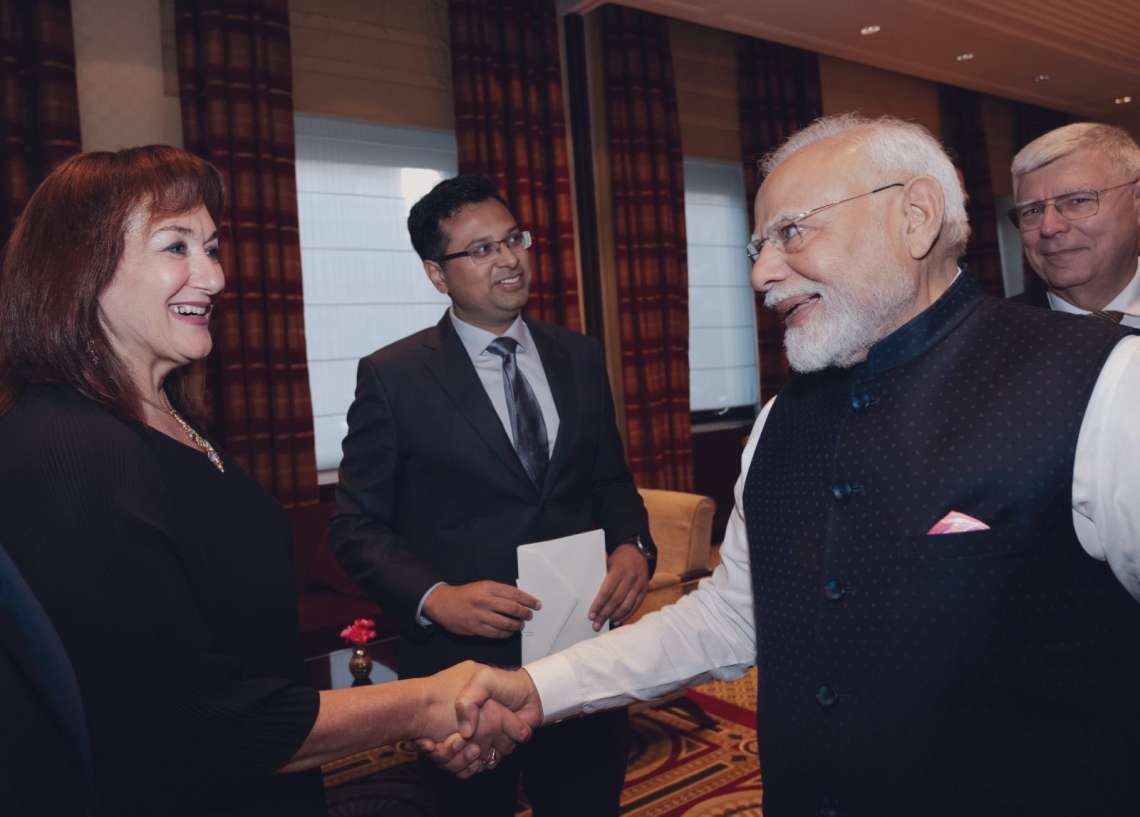
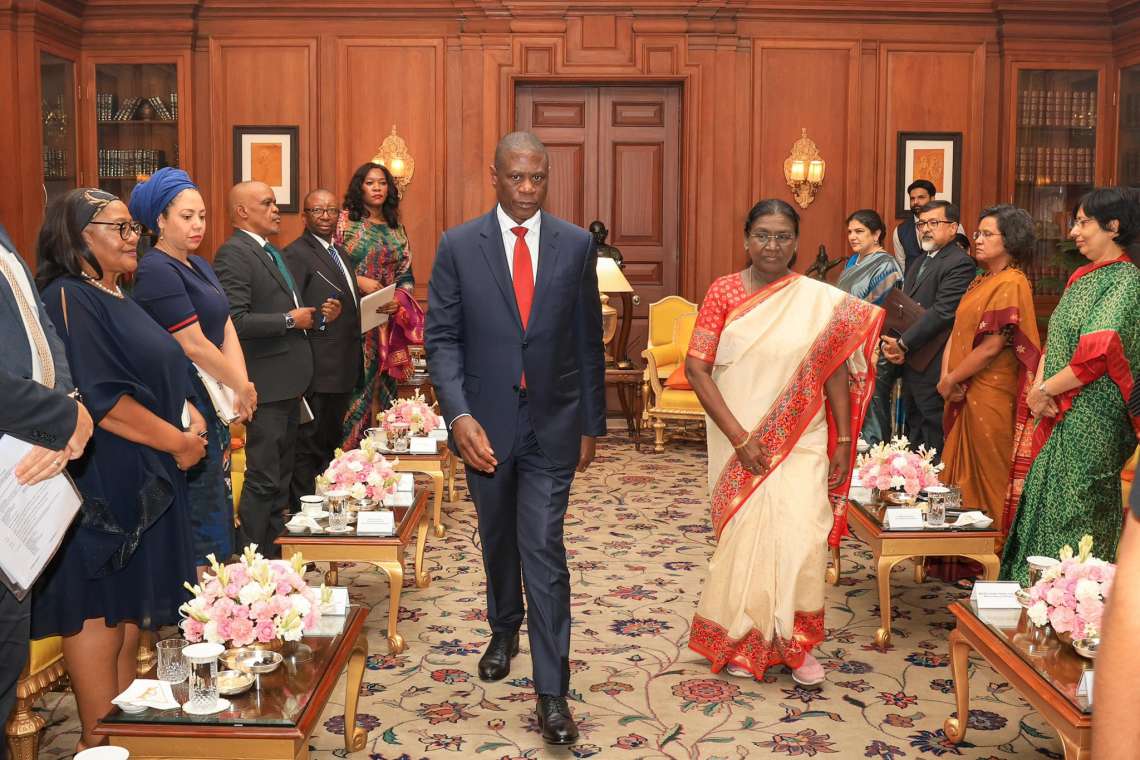
During his visit to New Delhi, Mashatile held a series of meetings with senior Indian leaders. He was received by Joint Secretary for East and Southern Africa Janesh Kain and paid a courtesy call on President Droupadi Murmu.

The South African Deputy President also met Vice President C.P. Radhakrishnan, with both sides reviewing avenues to expand trade and strengthen diplomatic engagement between the two nations.

Mashatile later held talks with External Affairs Minister S. Jaishankar. The Ministry of External Affairs described the visit as an opportunity to reinforce and provide fresh momentum to the strategic partnership between India and South Africa.

The discussions took place against the backdrop of growing geopolitical tensions, volatility in energy markets and uncertainty in global trade. Concerns over oil supply routes and changing tariff policies have prompted many developing economies to seek stronger cooperation through South–South partnerships.

India and South Africa already maintain substantial economic ties across a range of sectors, including information technology, mining, infrastructure, automotive manufacturing, pharmaceuticals, agriculture and heavy machinery.

Indian investments in South Africa are estimated at around $10 billion, with more than 150 Indian companies operating in the country. Major Indian firms with a presence in South Africa include the Tata Group, Mahindra, Vedanta, Jindal, Cipla, Sun Pharma, Tata Consultancy Services, Wipro, Zensar and Tech Mahindra.

The India Business Forum remains a key platform for commercial engagement between the two countries. According to the report, the forum has more than 91 members and supports investments exceeding R50 billion while providing employment to over 22,000 South Africans.

Business leaders and officials view the forum as an important mechanism for strengthening commercial ties and encouraging investment flows between the two economies.

During the visit, the South African delegation emphasised the importance of manufacturing-led investments and value addition in key sectors. Particular attention was given to critical minerals such as platinum group metals, manganese and vanadium, alongside opportunities in pharmaceuticals and renewable energy technologies.

Both sides also discussed expanding cooperation among small and medium-sized enterprises through a proposed South Africa–India SMME Industrial Linkage Programme. The initiative is expected to support supply chain integration, co-production opportunities and improved market access for businesses in both countries.

The visit is being seen as a significant step towards expanding economic collaboration and strengthening strategic engagement between two of the leading economies of the Global South.

Previous Story

Janhvi Loves Films of the 1980s Era

Next Story

India-Middle East-Europe Corridor could boost global trade resilience

Previous Story

Janhvi Loves Films of the 1980s Era

Next Story

India-Middle East-Europe Corridor could boost global trade resilience

Latest from -Top News

Pakistan Risks Overstretching Itself in Yemen War

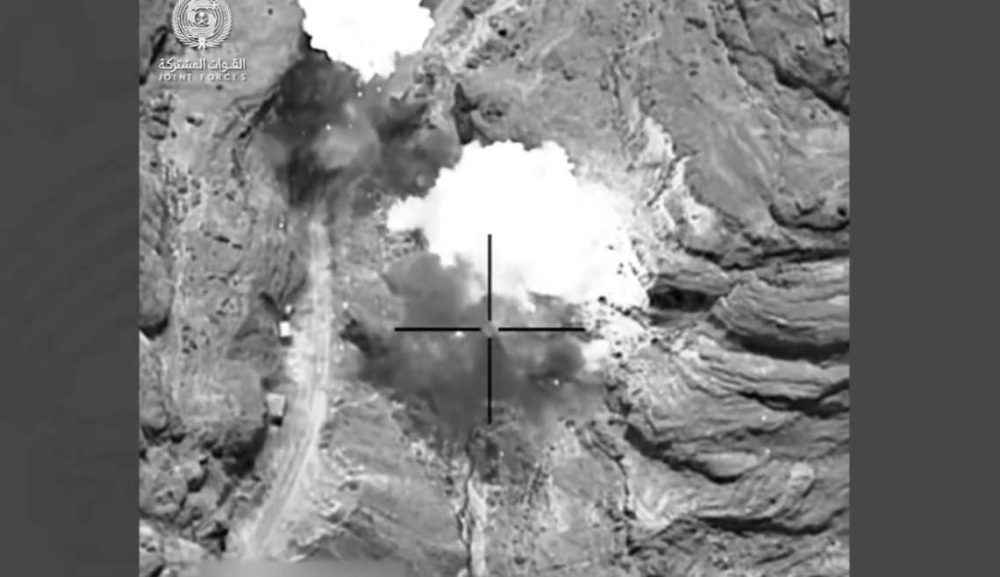
Pakistan’s expanding military role in Saudi Arabia amid the Yemen conflict could strain its defence resources and fragile finances…reports Asian Lite News Desk Pakistan’s military involvement in the war in Yemen may prove unsustainable because of mounting financial pressures and competing security demands, according to a new report. Islamabad’s growing military presence in Saudi Arabia risks stretching its defence resources while exposing the country to greater strategic and economic challenges. An article by Andrew Wilson in One World Outlook describes Pakistan’s involvement as a case of “fiscal and strategic overreach”, arguing that the country lacks the financial flexibility to sustain an expanded military commitment. Pakistan’s external finances depend heavily on an International Monetary Fund (IMF) programme, financial support from Gulf countries and remittances from Pakistani workers in the region. The report argues that deeper military involvement in the conflict could place additional pressure on these sources of financial stability. It also warns that deploying troops and military equipment abroad could weaken Pakistan’s capacity to address security challenges along its eastern border and deal with two domestic insurgencies. The move could also draw Islamabad into a conflict it has sought to approach cautiously. A Reuters report in May, citing Pakistani security and government sources, said Islamabad had deployed around 8,000 troops, a squadron of approximately 16 aircraft, mostly JF-17 fighter jets, two drone squadrons and a Chinese HQ-9 air-defence battery to Saudi Arabia. According to those sources, Riyadh was financing the deployment, with Pakistani personnel operating the equipment. The sources also said a confidential agreement contemplated the possibility of deploying up to 80,000 troops. Islamabad has not confirmed those figures, although it has acknowledged its military presence in Saudi Arabia, including the deployment of fighter jets at King Abdulaziz Air Base from April. The One World Outlook article argues that Saudi financial support can cover allowances and operating expenses but cannot easily replace military equipment needed elsewhere or resolve the political and strategic challenges of participating in the Yemen conflict. Pakistan’s defence budget is another concern. For the 2026-27 financial year, the federal government allocated PKR 3 trillion, or approximately $10.8 billion, to defence services. The allocation represents an 18 per cent increase from the original PKR 2.55 trillion provision and amounts to around 2.1 per cent of projected gross domestic product (GDP). Defence spending accounts for approximately 16 per cent of the federal government’s PKR 18.8 trillion expenditure. Military pensions are budgeted separately at PKR 822 billion, while debt servicing costs stand at approximately PKR 8 trillion, more than two-and-a-half times the defence allocation. The report argues that these competing financial obligations leave little room for additional military expenditure without placing further pressure on public finances. Pakistan’s reliance on IMF assistance also limits its fiscal flexibility. The country must meet the conditions attached to the programme, including a primary budget surplus target of 2 per cent of GDP and continued restraint on development spending. According to the article, these requirements make it difficult for Islamabad to finance an additional military commitment without compromising other budgetary priorities. Pakistan’s economic indicators offer limited reassurance. Economic growth for the 2025-26 financial year is estimated at between 3.6 and 3.7 per cent, while inflation reached approximately 10.3 per cent in September following an energy price shock. Foreign exchange reserves stood at around $21.5 billion at the end of September. Although this marks an improvement from the low levels recorded in 2023, the report notes that the reserves cover only a few months of imports. Financial assistance from Gulf partners remains central to Pakistan’s external stability. The article says Islamabad holds approximately $8 billion in Saudi deposits at its central bank. In July, the State Bank of Pakistan said Riyadh had extended the maturity of $5 billion in deposits to December 2028, easing the country’s immediate external financing requirements. A further $3 billion deposit was also extended in the spring. However, the article argues that these arrangements provide temporary relief rather than long-term financial independence, particularly as regional conflict threatens the stability of the Gulf economies on which Pakistan relies. The report concludes that Pakistan faces a difficult balance between supporting Saudi Arabia militarily and preserving the financial and military resources needed to address its domestic and regional challenges.
Go toTop

Don't Miss

Healing Now, Ladakh Next for Dalai Lama

Dalai Lama undergoes successful knee surgery in Delhi, remains in

SPECIAL 2022: Golden Chance for Team India at T20

Rohit Sharma and Rahul Dravid will have to make sure