India has reiterated its support for freedom of navigation and the peaceful resolution of disputes in the South China Sea in accordance with international law…reports Asian Lite News Desk
India on Tuesday reaffirmed its long-standing position on the South China Sea, stressing that disputes in the strategically important waterway must be resolved peacefully in accordance with international law while underscoring the importance of freedom of navigation and unimpeded maritime trade.
Responding to questions during the Ministry of External Affairs’ weekly media briefing, MEA spokesperson Randhir Jaiswal said India’s position on the South China Sea remains “clear and well-known” and is guided by the principles of the United Nations Convention on the Law of the Sea (UNCLOS).
“Regarding the issue concerning the South China Sea, our position is clear and well-known. We emphasise the importance of freedom of navigation and overflight, consistent with international law as reflected in UNCLOS (the United Nations Convention on the Law of the Sea), as well as other lawful uses of the sea and the maintenance of unimpeded trade,” Jaiswal said.
He added that maritime disputes should be settled through peaceful means and in accordance with international law.
“Maritime disputes should be resolved peacefully and in accordance with UNCLOS. The ruling delivered by the Arbitral Tribunal ten years ago is a significant milestone and a basis for the peaceful resolution of disputes among the concerned parties,” he said.
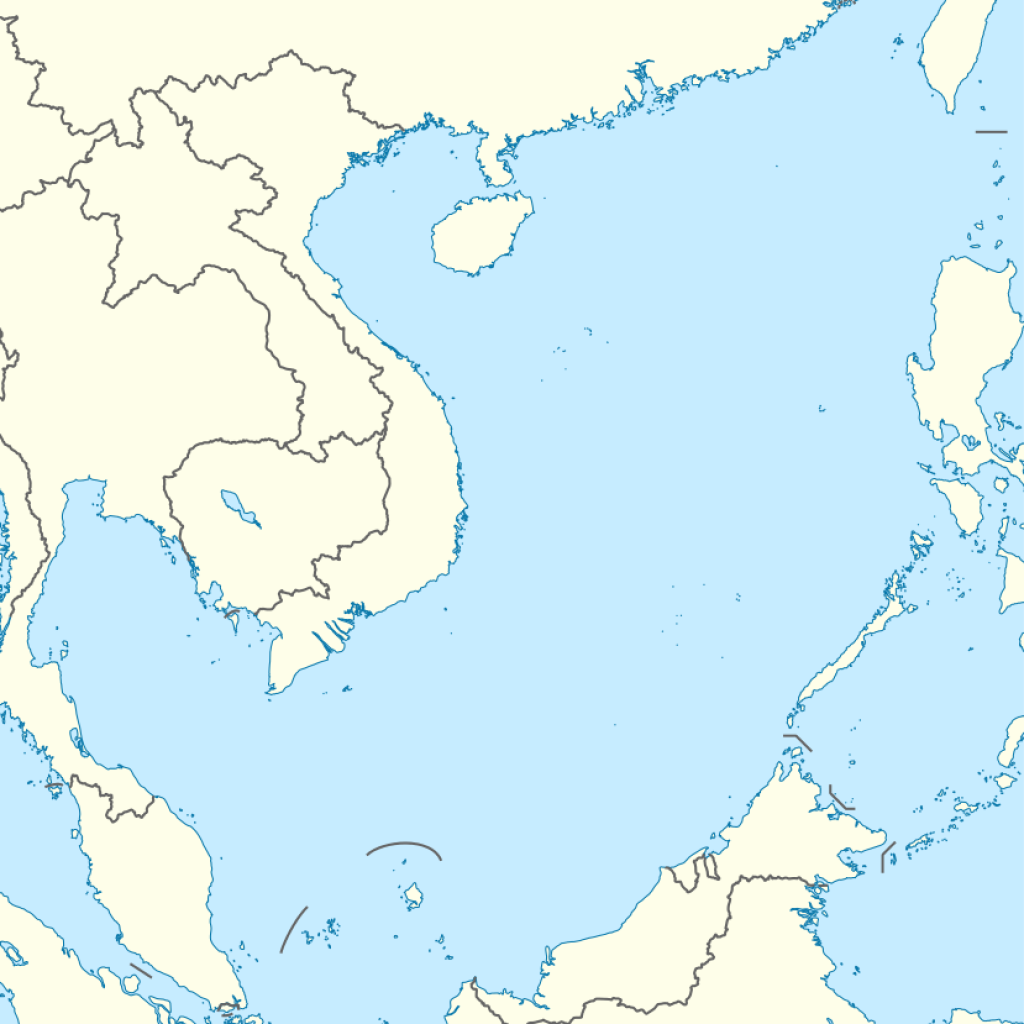
The remarks come days after the tenth anniversary of the July 12, 2016 award issued by an Arbitral Tribunal constituted under Annex VII of UNCLOS in the case brought by the Philippines against China over competing claims in the South China Sea.
Ahead of the anniversary, a coalition of 14 countries, including the United States, Japan, the United Kingdom, Australia, Germany and the Philippines, issued a joint statement reaffirming the tribunal’s ruling and describing China’s expansive maritime claims in the South China Sea as having “no legal basis.”
The statement reiterated the group’s commitment to “a free and open Indo-Pacific that is peaceful, stable, and rules-based” and described the 2016 arbitral award as “final, legally binding, and definitive” between China and the Philippines on the maritime claims covered by the case.
The countries also reaffirmed the tribunal’s conclusion that there is “no legal basis” for China’s broad maritime claims, including those based on what Beijing describes as “historic rights,” and urged all parties to resolve disputes peacefully through dialogue and lawful mechanisms consistent with international law.
The European Union also marked the anniversary by calling on parties involved in the South China Sea dispute to fully implement the 2016 arbitral ruling.
In a statement issued on behalf of the bloc, the EU said the award remains “final and legally binding” on both the Philippines and China and “must be respected and fully implemented by the parties involved.”
China has consistently rejected the ruling and has refused to recognise the tribunal’s decision, despite repeated calls from the Philippines and several international partners to comply with the award.
The Permanent Court of Arbitration in The Hague issued its unanimous ruling on July 12, 2016, concluding that there was no legal basis for China’s claim to historic rights over resources within the so-called “Nine-Dash Line”, which covers much of the South China Sea. The tribunal held that any such claims were incompatible with the maritime zones established under UNCLOS.
India has consistently maintained that adherence to international law, freedom of navigation and overflight, and the peaceful settlement of disputes are essential for maintaining peace, stability and the free flow of commerce in the Indo-Pacific region.