Modi’s Slovakia visit elevates ties to comprehensive partnership, boosting defence, tech and trade cooperation while opening new pathways for talent mobility and strategic collaboration, reports India Daily News Desk
India has stepped up its engagement with Central Europe, with Prime Minister Narendra Modi concluding a landmark visit to Slovakia that significantly broadens bilateral cooperation across defence, technology, education and trade.
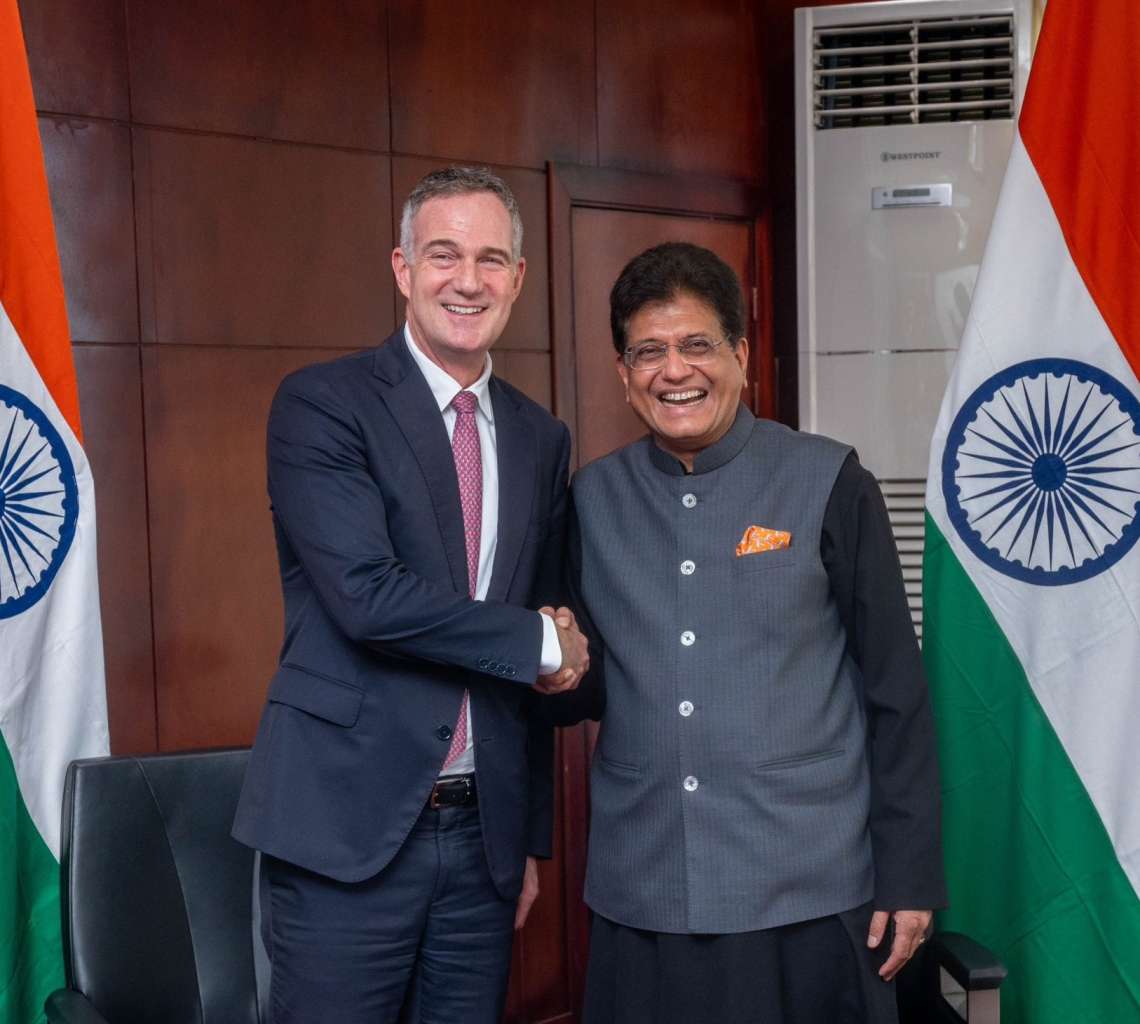
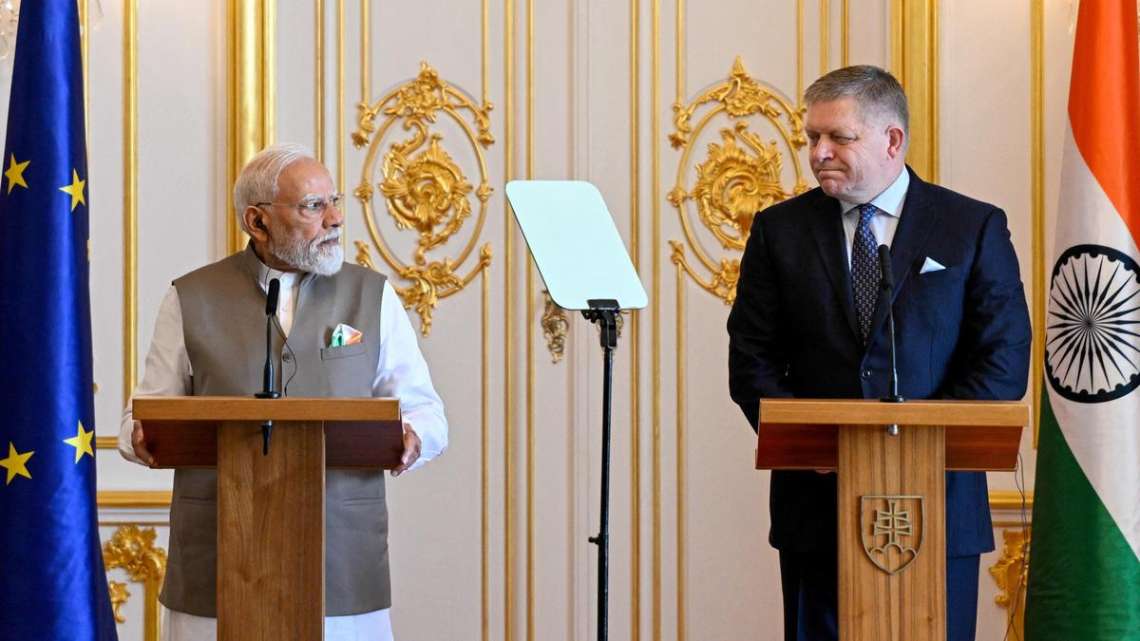
The visit, which ended on June 15, marks the first by an Indian Prime Minister to Slovakia since the country’s formation in 1993, underlining a renewed push by New Delhi to diversify its strategic partnerships within Europe. During high-level talks in Bratislava, Modi and Slovak Prime Minister Robert Fico announced the elevation of ties to a “Comprehensive Partnership”, signalling a more structured and ambitious phase in relations.
Addressing a joint press interaction at Bratislava Castle, Modi described the engagement as a “special moment” in bilateral ties, emphasising shared intent to unlock new avenues of cooperation. The two sides signed a series of agreements and memoranda of understanding spanning key sectors, reflecting a multi-dimensional approach to partnership building.
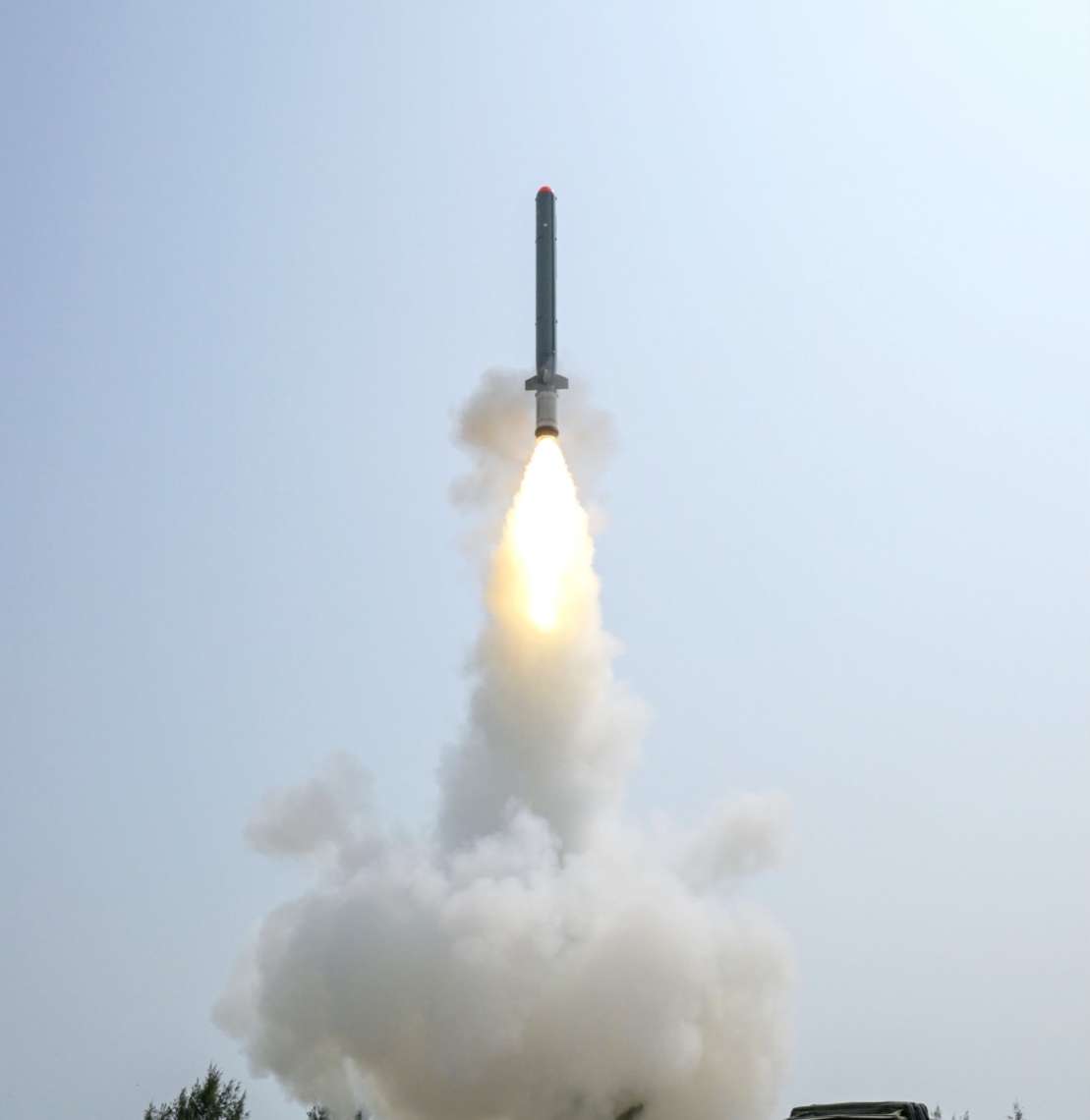
A major focus of the visit was defence cooperation, with both countries agreeing to deepen collaboration in defence technologies, research and development. A Letter of Intent signed during the visit lays the groundwork for future joint initiatives, with India seeking to expand its defence partnerships beyond traditional allies while strengthening indigenous capabilities.
Technology and innovation also featured prominently in discussions. The two governments agreed to enhance cooperation in emerging areas such as artificial intelligence, semiconductors, the Internet of Things and next-generation telecommunications including 6G. These sectors are increasingly seen as central to long-term economic competitiveness, and both countries are looking to leverage complementary strengths.
The visit was first by an Indian Prime Minister to Slovakia since the country’s formation in 1993, underlining a renewed push by New Delhi to diversify its strategic partnerships within Europe.
Economic engagement formed another pillar of the talks, with both sides committing to boost trade and investment flows. Particular emphasis was placed on sectors such as automotive manufacturing and electronics, where Slovakia has an established industrial base and India offers scale and market opportunities. Officials indicated that the agreements could help facilitate joint ventures and deeper integration of supply chains.
Mobility and talent exchange were also addressed through a dedicated agreement on labour migration. The framework is expected to ease the movement of professionals between the two countries, while enabling structured information sharing on workforce requirements and skills. This aligns with India’s broader strategy of positioning itself as a global talent hub while securing overseas opportunities for its workforce.
In the education sector, the two countries agreed to strengthen institutional linkages, particularly in higher education. The partnership aims to promote student and researcher mobility across disciplines, including science, technology, engineering and mathematics as well as the humanities, reflecting a wider push towards knowledge exchange.
Security cooperation emerged as another important dimension, with both nations agreeing to establish a Joint Working Group on Counterterrorism. The move reflects shared concerns over global security challenges and an intent to coordinate responses more closely.
At the multilateral level, both leaders reaffirmed their commitment to a rules-based international order and called for reforms within the United Nations system. Slovakia reiterated its support for India’s long-standing bid for permanent membership of the UN Security Council, while also backing New Delhi’s entry into key global export control regimes.
The visit concluded with Modi engaging Slovak business leaders and attending a state dinner hosted by President Peter Pellegrini. The outreach to industry stakeholders is expected to complement government-level agreements by encouraging private sector participation.
Taken together, the visit signals a effort by both countries to move beyond limited engagement and build a forward-looking partnership anchored in technology, defence and economic collaboration. As India expands its European footprint, partnerships such as this are likely to play an increasingly strategic role.