India, UK push deeper tech and innovation ties as trade talks near finish line, but tariffs, steel disputes and market access issues continue to test negotiations, reports India Daily News Desk
India and the United Kingdom have renewed efforts to deepen their strategic economic partnership, with a fresh push on innovation, technology and emerging sectors, even as trade negotiations continue to navigate sticking points.
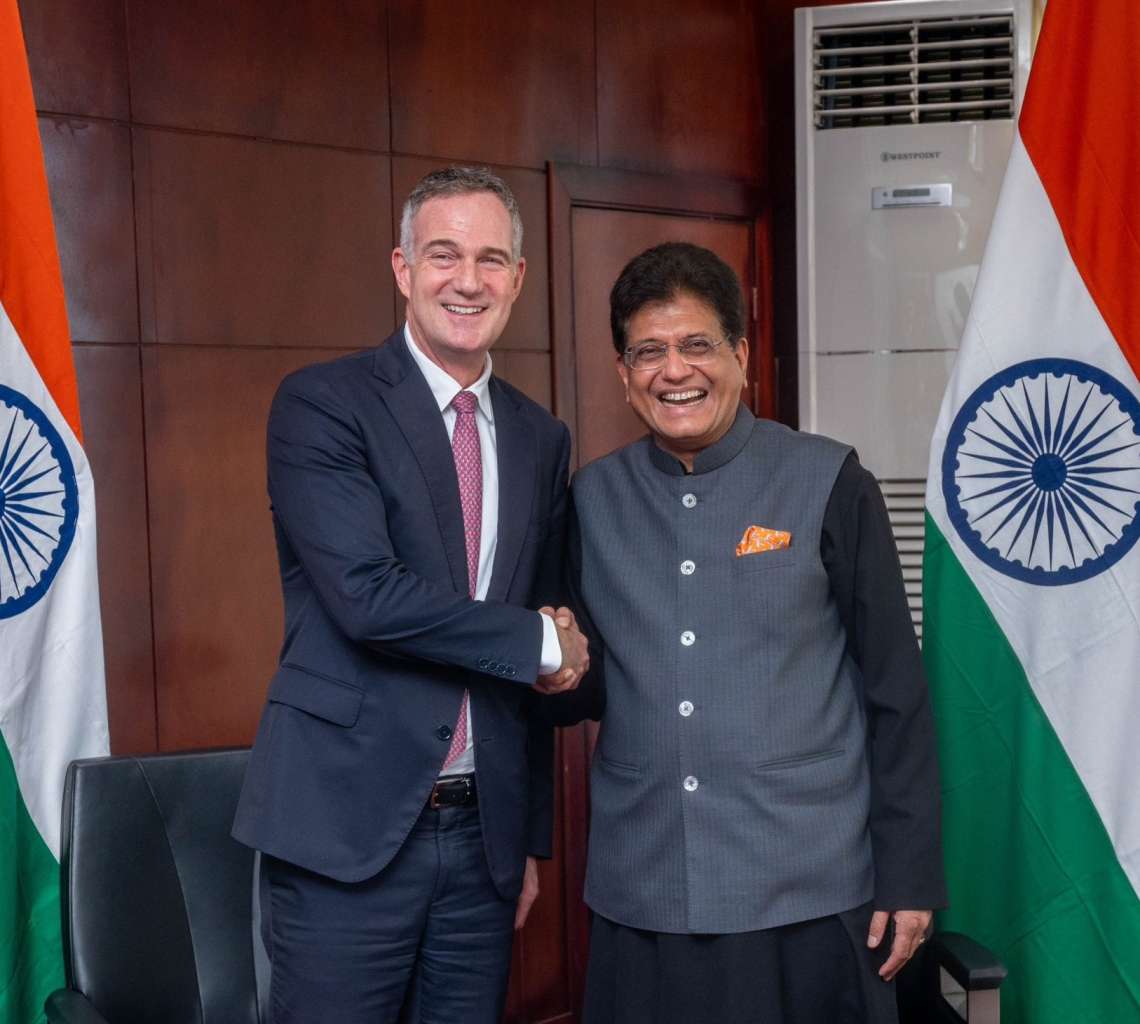
Union Commerce and Industry Minister Piyush Goyal held a virtual meeting on Sunday with UK Secretary of State for Business and Trade Peter Kyle, focusing on expanding bilateral collaboration across innovation, research, startups and advanced technologies. The interaction reflects a growing alignment between the two economies as they seek to capitalise on high-growth sectors and future-ready industries.
In a statement shared on social media platform X, Goyal described the discussion as “productive”, noting that both sides explored ways to strengthen cooperation and unlock new opportunities for shared prosperity. The emphasis, he indicated, was on building partnerships that could drive economic growth while fostering technological advancement in both countries.

The meeting comes against the backdrop of ongoing negotiations over a proposed Comprehensive Economic and Trade Agreement (CETA), which remains central to the India-UK economic relationship. Both nations have been working to finalise the agreement alongside a broader push by India to operationalise multiple free trade arrangements with key global partners.
Progress on the deal has been steady but not without complications. Commerce Secretary Rajesh Agrawal recently indicated that the agreement is close to being operationalised, although certain issues remain unresolved. Among the challenges are concerns arising from the United Kingdom’s recent steel safeguard measures, which were not part of the original negotiation framework.
Officials on both sides are now attempting to find what Agrawal described as a “creative solution” to address these concerns without derailing broader trade ambitions. The outcome of these discussions is likely to play a critical role in determining the timeline for finalising the agreement.
Meanwhile, political voices in the United Kingdom have struck a cautious note on the pace and scope of the negotiations. Conservative MP Bob Blackman, speaking in a recent interview, underscored that while progress has been made, the deal should not yet be viewed as a completed free trade agreement.
Blackman pointed to unresolved issues such as tariffs and market access, suggesting that both countries need to work further to reduce trade barriers and expand opportunities, particularly in professional services. His remarks highlight the complexities involved in balancing domestic economic priorities with the ambition of a comprehensive bilateral agreement.
Beyond trade, the UK lawmaker also drew attention to the expanding educational ties between the two countries. British universities and schools are increasingly establishing a presence in India, signalling a growing demand for international education and deeper people-to-people connections.
Security cooperation remains another important pillar of the relationship. Blackman reiterated support for enhanced collaboration in defence and security, alongside his longstanding backing for India’s bid for permanent membership of the United Nations Security Council.
In recent years, India and the UK have steadily broadened cooperation across multiple sectors, including trade, investment, defence, education and technology. The latest ministerial engagement underscores a shared recognition that future growth will depend heavily on innovation-led partnerships and the ability to harness emerging technologies.