Modi’s grand diplomatic tour signals India’s push to hedge against a volatile global order..reports Asian Lite News
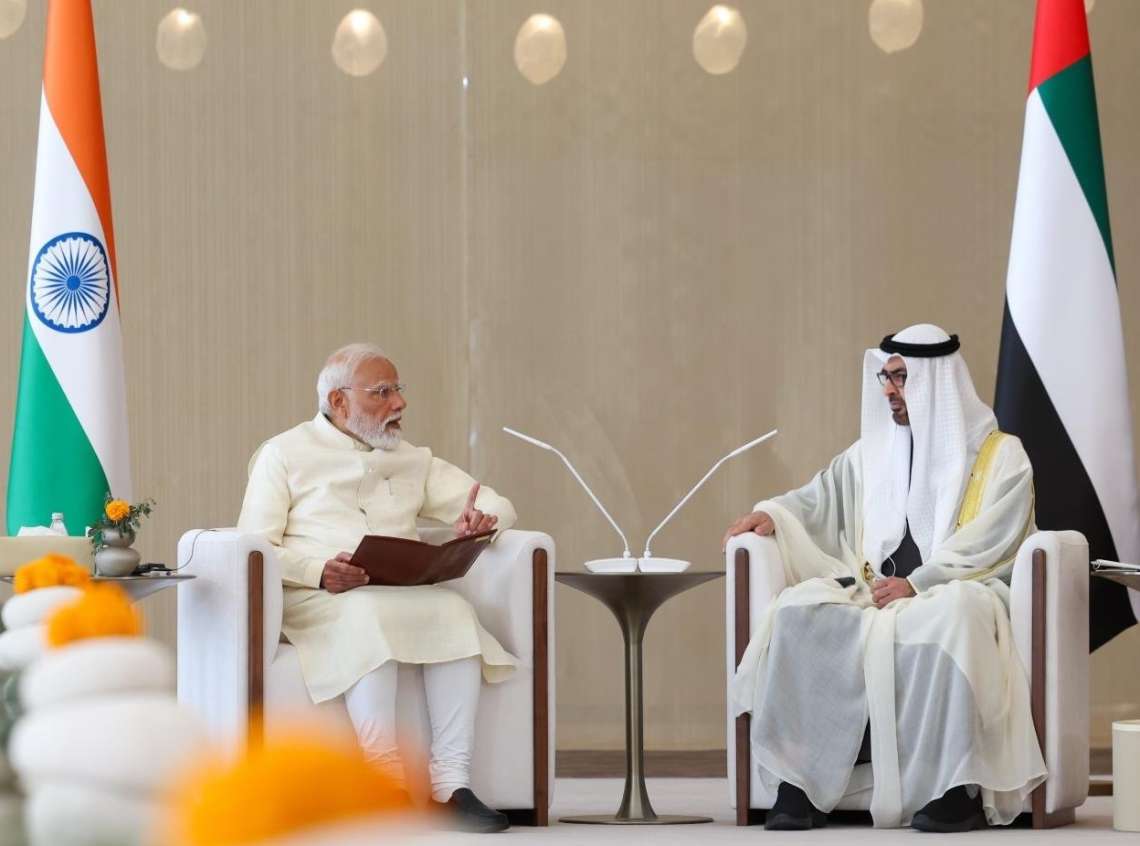
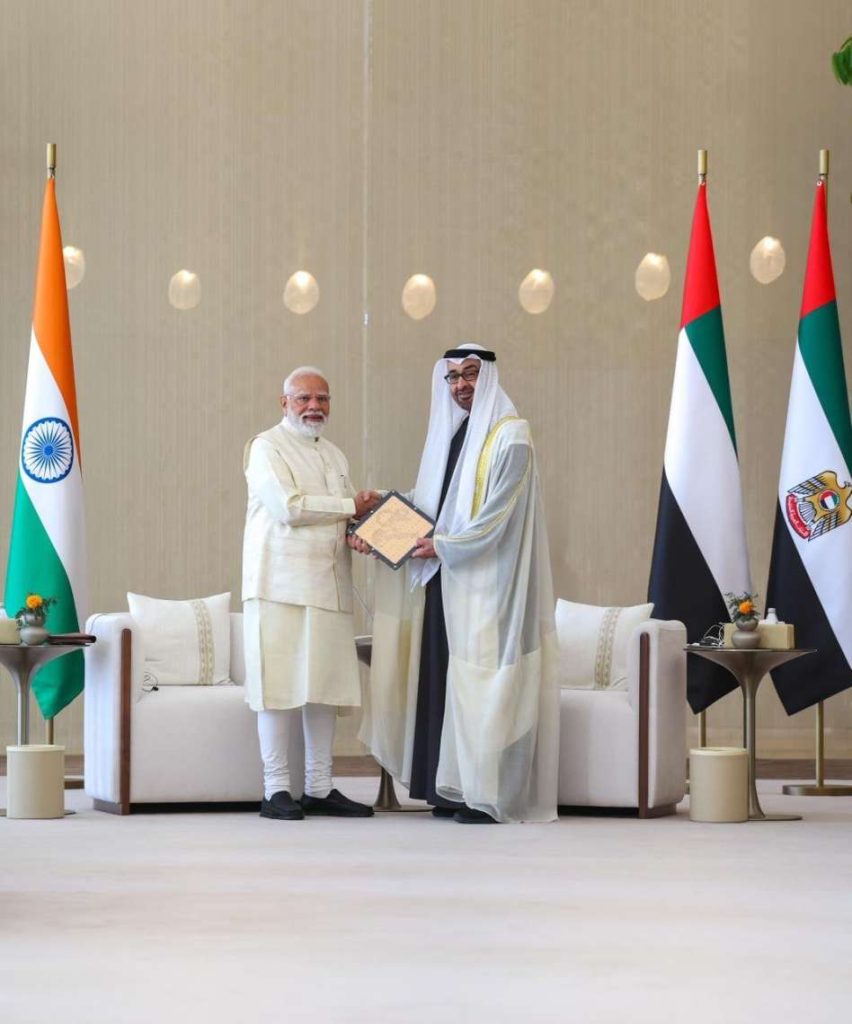
Prime Minister Narendra Modi’s visit to the United Arab Emirates has taken on heightened strategic importance after India and the Gulf nation signed a series of key energy agreements against the backdrop of escalating geopolitical tensions and volatile global oil markets triggered by the US-Israel conflict with Iran.
The UAE was the first stop on PM Modi’s five nation tour, which will also include visits to the Netherlands, Sweden, Norway and Italy.
Analysts said the timing of the visit underscored India’s push to secure stable long term energy supplies as uncertainty deepens across the Middle East, according to a report by the South China Morning Post.
The visit also followed the UAE’s landmark decision to leave the Organization of the Petroleum Exporting Countries, a move widely seen as a significant shift in the Gulf’s energy dynamics.
As OPEC’s sixth largest oil producer, the UAE is now no longer bound by the cartel’s production quota system, enabling it to raise output beyond its earlier cap of 4.8 million barrels per day.
India, which imports nearly one tenth of its crude oil requirements from the UAE and is also the Gulf nation’s biggest liquefied natural gas customer, is expected to benefit from the UAE’s greater production flexibility.
According to an official statement, India and the UAE signed a strategic collaboration agreement between Indian Strategic Petroleum Reserves Limited and Abu Dhabi National Oil Company under which the UAE will increase crude oil supplies to India’s strategic petroleum reserves to 30 million barrels.
Another agreement between state run Indian Oil Corporation and ADNOC formalised long term liquefied petroleum gas supply arrangements.

The two countries also agreed to explore the creation of strategic gas reserves in India as part of efforts to strengthen long term energy security.
In addition, the UAE committed fresh investments worth $5 billion, highlighting the rapidly expanding economic partnership between the two nations, whose bilateral trade currently stands at nearly $85 billion annually.
The agreements assumed added significance amid continuing instability in the region.
Fresh drone strikes targeting the UAE and Saudi Arabia on Sunday, despite an ongoing ceasefire linked to the Iran conflict, once again exposed the vulnerability of Gulf energy infrastructure.
Strategic experts said the deepening India-UAE partnership represented a practical move to shield India from future supply disruptions and sharp price swings in global energy markets.