The tour marked progress on uranium cooperation with Australia, defence exports to Indonesia and a new strategic partnership with New Zealand….reports Asian Lite News Desk
Prime Minister Narendra Modi’s three-nation visit to Indonesia, Australia and New Zealand has been presented as a significant milestone in India’s long-term strategic outreach, delivering progress in areas ranging from civil nuclear cooperation and defence exports to trade, maritime security and regional partnerships across the Indo-Pacific.
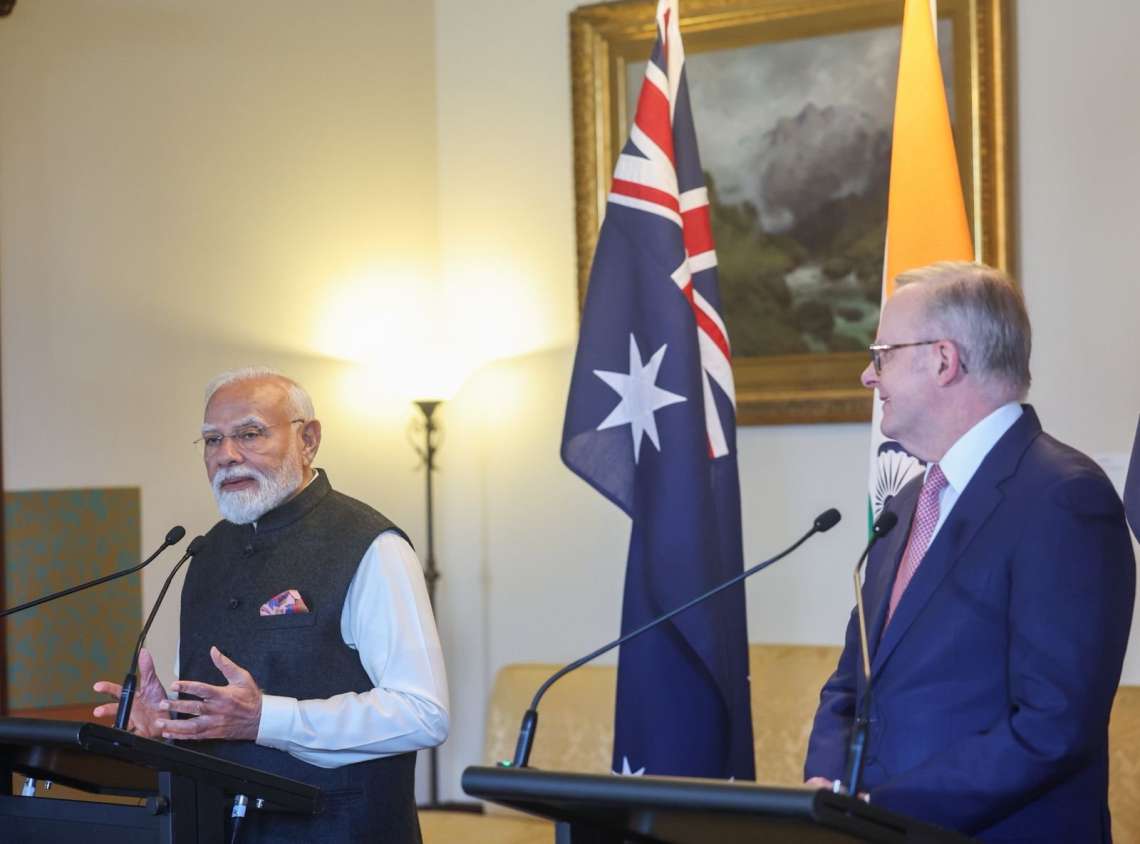
One of the key outcomes of the visit came in Australia, where Prime Minister Anthony Albanese announced that Australian uranium would now be supplied to fuel Indian nuclear reactors, marking the culmination of a diplomatic journey that began nearly two decades ago.
In 2008, India’s efforts to secure uranium from Australia were unsuccessful, with Canberra insisting that New Delhi first sign the Nuclear Non-Proliferation Treaty (NPT), a position India consistently declined. Although the United States moved ahead with civil nuclear cooperation with India in 2006, Australia maintained its restrictions throughout the United Progressive Alliance (UPA) government’s tenure.
The situation changed after the Modi government assumed office in 2014. Within months, India and Australia signed the long-pending Civil Nuclear Cooperation Agreement. During the latest visit to Melbourne, both sides announced that the final administrative processes had been completed, paving the way for Australian uranium supplies to support India’s expanding civil nuclear energy programme.
The article argues that the shift reflects changing global perceptions of India as a responsible nuclear power rather than any alteration in India’s long-standing position on the NPT.
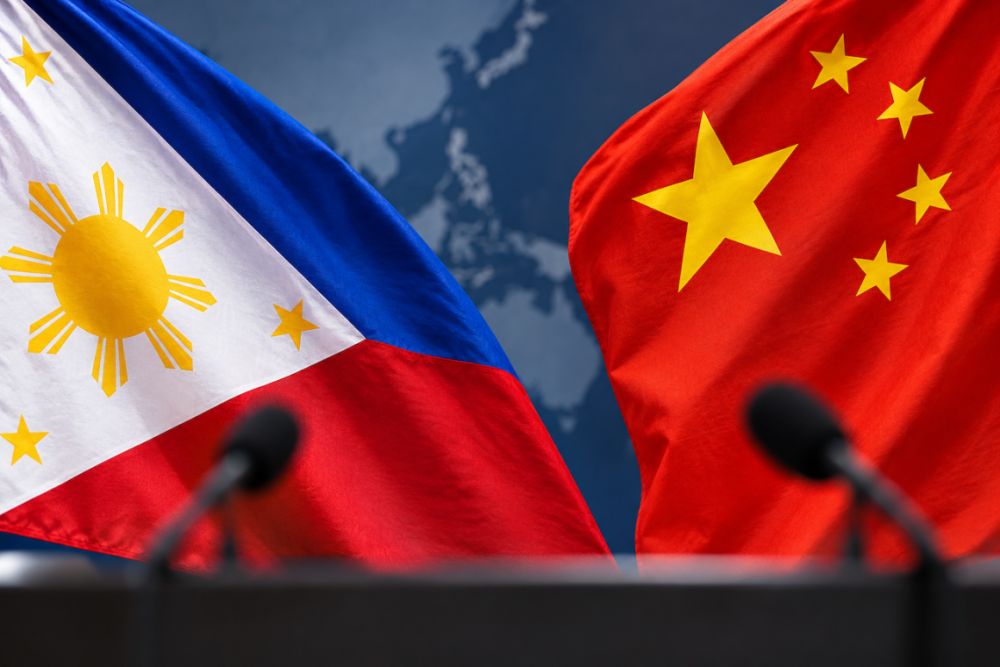
In Indonesia, the visit focused on expanding defence and maritime cooperation. India and Indonesia signed agreements covering the supply of BrahMos supersonic cruise missiles, making Indonesia the third country after the Philippines and Vietnam to acquire the missile system. The two countries also concluded an agreement covering Astra air-to-air missile systems.
The agreements are presented as evidence of India’s growing position as a defence exporter after decades of depending primarily on foreign suppliers for military equipment.
The two sides also agreed to cooperate on the development of Sabang Port near the strategically important Malacca Strait. The port is located close to India’s upcoming Great Nicobar transshipment hub, enhancing maritime connectivity and strategic cooperation in one of the world’s busiest shipping lanes.
Cooperation was also expanded in critical minerals, particularly nickel, where Indonesia is among the world’s leading producers.
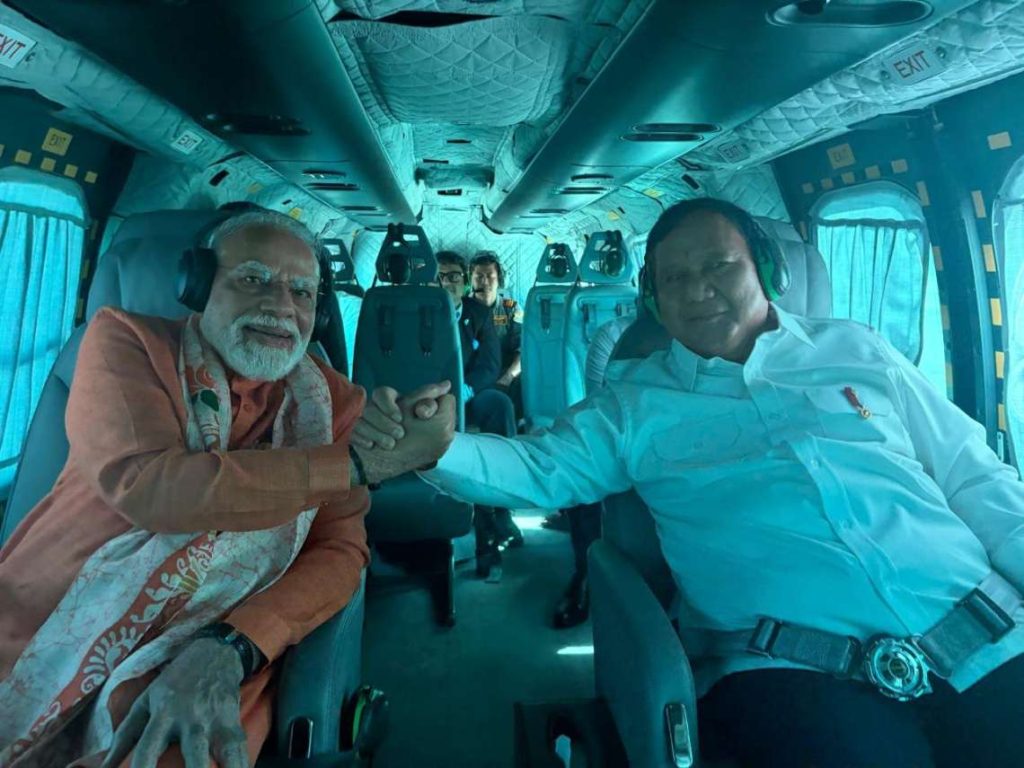
During the visit, Indonesian President Prabowo Subianto conferred the Bintang Adipurna, Indonesia’s highest civilian and military honour, on Prime Minister Modi. The Prime Minister also visited the historic Prambanan temple complex in Yogyakarta, where India pledged support for restoration efforts.
Economic cooperation also featured prominently during the Australia leg of the tour. Bilateral trade between India and Australia has increased by 55 per cent since the implementation of the Economic Cooperation and Trade Agreement in 2022. Both leaders agreed to expedite negotiations on a Comprehensive Economic Cooperation Agreement.
AustralianSuper also announced an investment of 500 million Australian dollars in India, while Modi invited Australia’s pension funds to increase investments in Indian infrastructure.
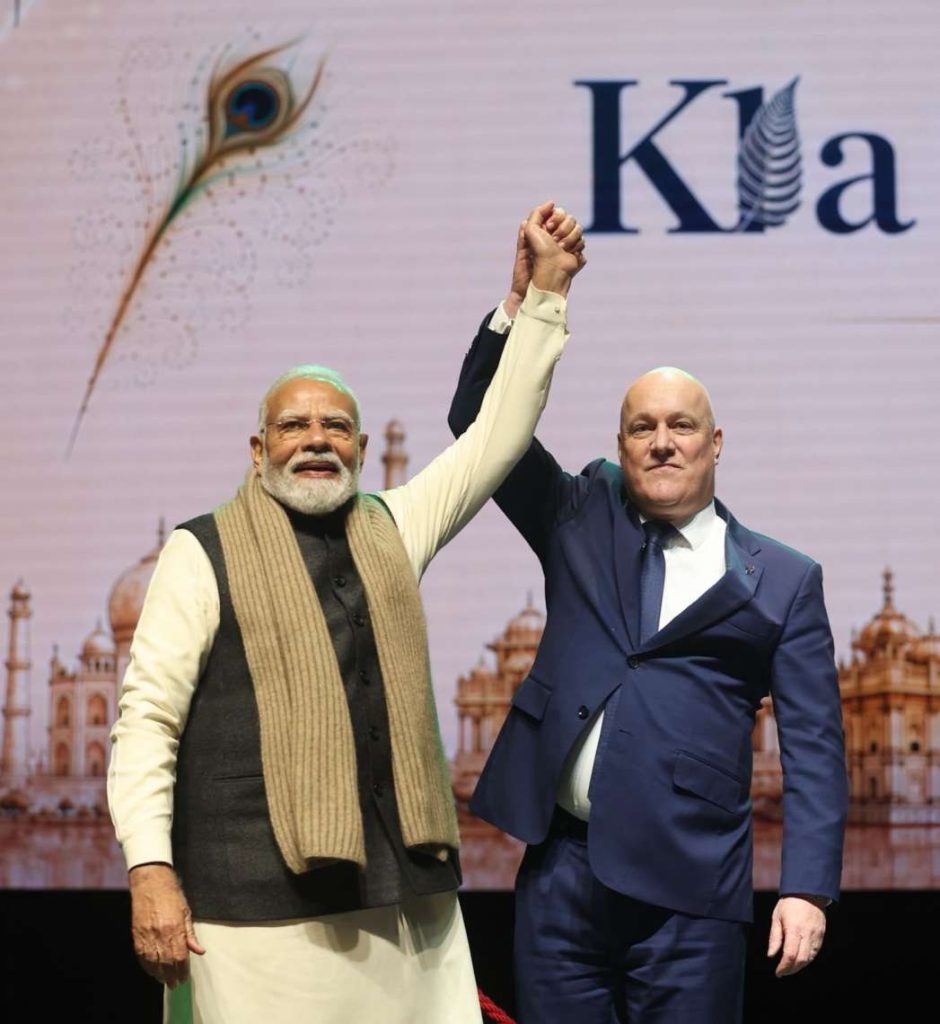
The final leg of the visit took the Prime Minister to New Zealand, marking the first visit by an Indian Prime Minister to the country in four decades.
During the visit, India and New Zealand concluded a Free Trade Agreement and elevated ties to a Strategic Partnership. The two countries also adopted a Roadmap to 2030 covering cooperation in maritime security, counter-terrorism, cyber security and defence logistics.
The partnership includes a target of achieving bilateral trade worth seven billion New Zealand dollars and a logistics arrangement between the Indian Navy and the New Zealand Defence Force, allowing greater operational cooperation.
According to the article, the combined outcomes of the three visits demonstrate India’s expanding diplomatic influence across the Indo-Pacific, reflected in stronger defence partnerships, deeper economic engagement, enhanced maritime cooperation and growing international recognition.
The article concludes that India’s diplomatic standing has evolved significantly over the past decade, enabling it to strengthen strategic partnerships across the region while advancing its economic and security interests.