Joint statement marks 10 years of landmark South China Sea ruling as 12 nations reaffirm support for international law and freedom of navigation….reports Asian Lite News Desk
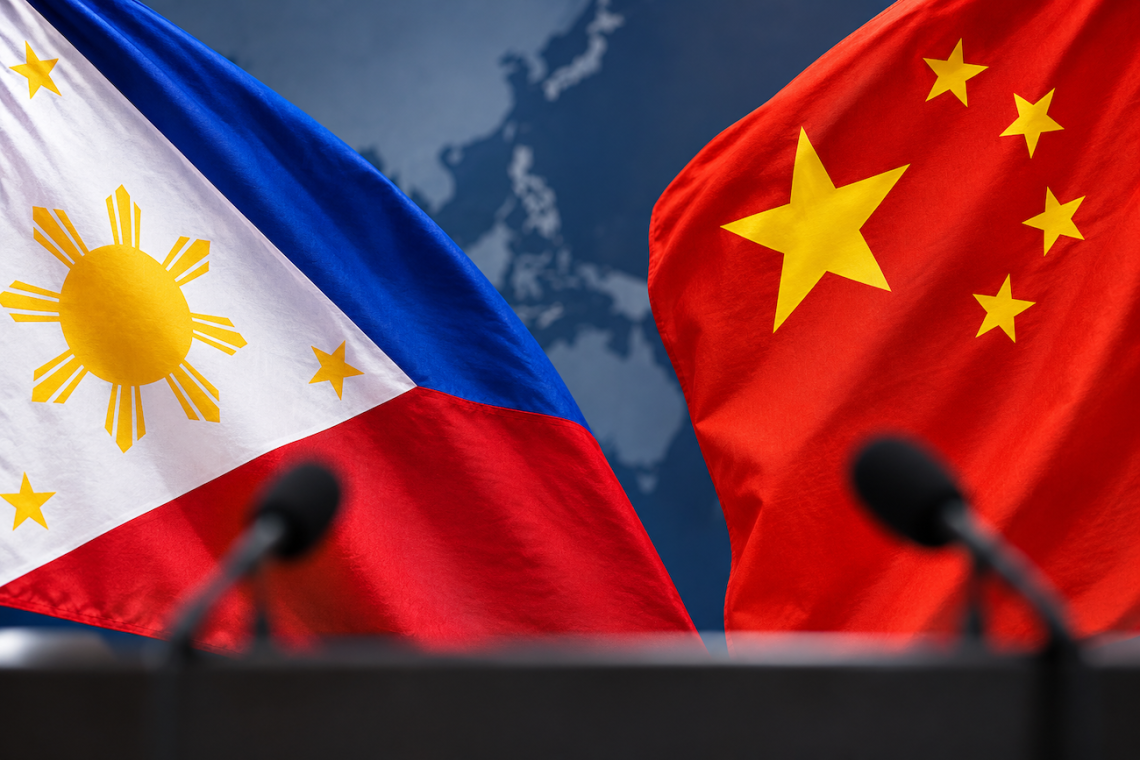
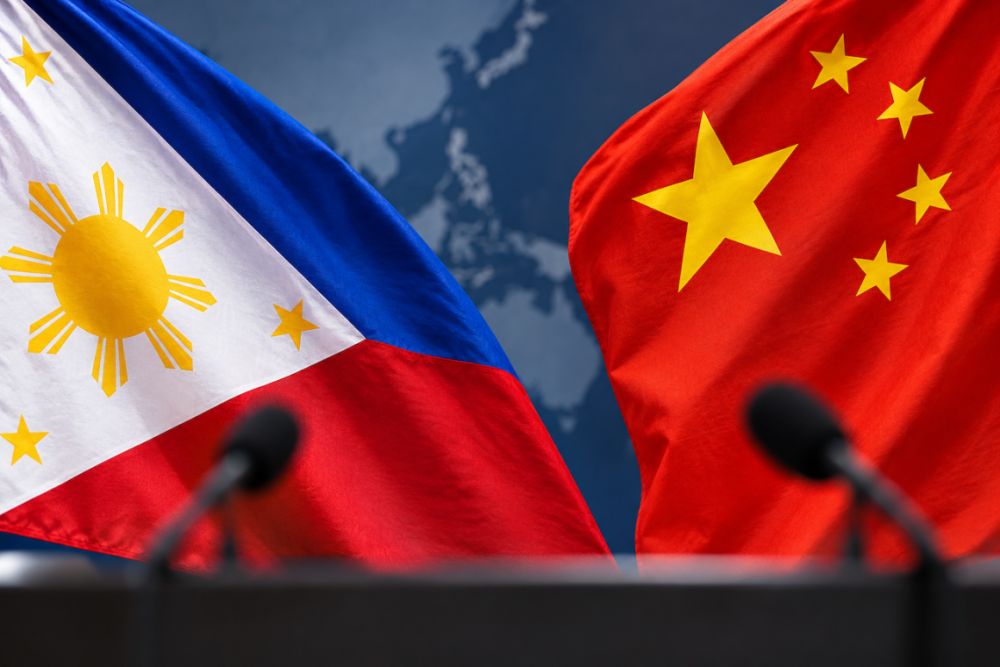
Twelve countries led by the United States have reaffirmed their commitment to maintaining a free and open Indo-Pacific, marking the 10th anniversary of the landmark 2016 arbitral tribunal ruling that rejected China’s sweeping maritime claims in the South China Sea.
In a joint statement issued on Saturday, the governments of the United States, Australia, Canada, Estonia, Japan, Latvia, Lithuania, New Zealand, the Philippines, Romania, Slovenia and the United Kingdom reiterated their support for a peaceful, stable and rules-based Indo-Pacific anchored in international law.
The statement commemorated the July 12, 2016 decision by the Arbitral Tribunal constituted under Annex VII of the United Nations Convention on the Law of the Sea (UNCLOS), describing it as a “landmark and unanimous decision” on the South China Sea.
“We reaffirm that maritime disputes must be resolved peacefully and in accordance with UNCLOS,” the statement said.
The 12 governments also reaffirmed that the tribunal’s award remains “a significant milestone and is final, legally binding, and definitive between China and the Philippines with respect to the maritime entitlements and claims addressed by the Arbitral Tribunal.”
The countries further reiterated the tribunal’s conclusion that “there is no legal basis for China’s expansive maritime claims in the South China Sea, including those based on ‘historic rights’.”
The joint statement stressed the importance of preserving freedom of navigation and overflight, along with other internationally lawful uses of the sea as reflected in UNCLOS.
The governments also voiced concern over actions that could undermine regional peace and stability, while stopping short of referring to any specific incidents.
“We reiterate our strong opposition to any destabilising or unilateral actions including by force or coercion that threaten peace and stability in the region,” the statement said.
It further expressed opposition to “the use of coast guard, military, and maritime militia forces to harass, obstruct, or intimidate lawful operations by other States at sea or in the air, and in so doing endanger the safety of personnel and fishermen and seriously degrade regional peace and security.”
The signatories urged all parties to comply with the 2016 arbitral award and settle disputes through peaceful dialogue and other lawful mechanisms in accordance with international law.
The statement also reaffirmed support for the Association of Southeast Asian Nations (ASEAN) and its vision for the region.
The countries said they remained “steadfast in our support for a free and open Indo-Pacific” and reaffirmed their commitment to promoting “our shared vision with ASEAN of the South China Sea as a sea of peace, stability, cooperation, and prosperity driven by vibrant lawful commerce.”
The South China Sea remains one of the world’s most strategically significant waterways, carrying a substantial share of global maritime trade. It is claimed in whole or in part by China, the Philippines, Vietnam, Malaysia, Brunei and Taiwan. The overlapping territorial and maritime claims have led to repeated confrontations involving coast guard and naval vessels, making the region a persistent strategic flashpoint.
On July 12, 2016, the Permanent Court of Arbitration in The Hague ruled overwhelmingly in favour of the Philippines in a case brought under UNCLOS. The tribunal concluded that China’s claims based on so-called “historic rights” had no legal basis under international law. Beijing rejected the ruling and has continued to maintain its position, while the United States and several partner countries have consistently called for adherence to the tribunal’s decision and the rules-based international order.
Tags: Indo-Pacific, South China Sea, United States, China, Philippines, UNCLOS, Arbitral Tribunal, Maritime Disputes, Rules-Based Order, Freedom of Navigation, ASEAN, International Law