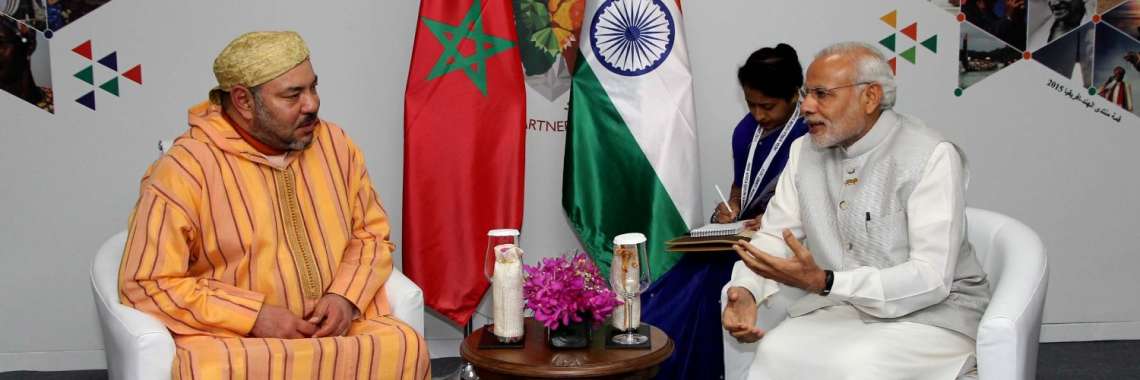
North African nation aims to attract Indian investment by offering access to European and African markets….reports Africa Daily News Desk
Morocco is looking to strengthen its economic partnership with India by positioning itself as a strategic hub for Indian companies seeking access to European and African markets, amid growing engagement between the two countries across trade, industry and defence sectors.
The North African nation has stepped up efforts to attract greater Indian investment and industrial collaboration, highlighting opportunities in sectors including defence manufacturing, automotive production, aerospace, green technologies, logistics and advanced manufacturing.
Morocco has emerged as one of India’s key economic partners in Africa, particularly as a major supplier of phosphates that are vital for India’s agricultural sector. Officials from both countries have also been exploring ways to diversify cooperation into new high growth industries.
The push for stronger economic ties comes against the backdrop of increasing high level interactions between New Delhi and Rabat over the past year.
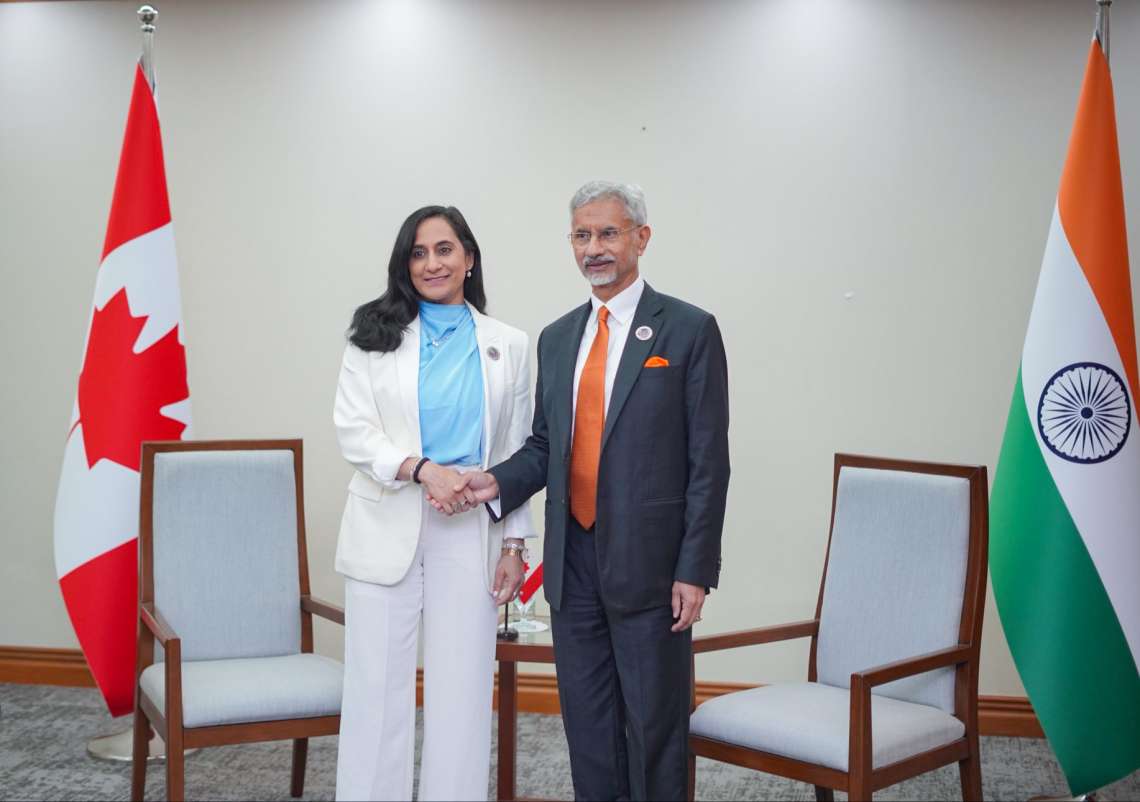
In September last year, Union Minister of State for External Affairs Kirti Vardhan Singh held talks in New Delhi with Morocco’s Secretary of State for Foreign Trade, Omar Hejira. The discussions focused on expanding bilateral trade and identifying new areas for economic and commercial cooperation.
Relations received a further boost through Defence Minister Rajnath Singh’s recent visit to Morocco, the first by an Indian Defence Minister, marking a significant milestone in bilateral ties.

During the visit, the two countries signed a Memorandum of Understanding on defence cooperation, paving the way for closer collaboration in areas such as defence production, counter terrorism, maritime security, cyber defence and capacity building.
One of the major highlights of the visit was the joint inauguration of a defence manufacturing facility established by Tata Advanced Systems Limited in Berrechid. The facility was inaugurated by Rajnath Singh alongside Morocco’s Minister Delegate to the Head of Government in charge of National Defence Administration, Abdelatif Loudyi.
Spread across an area of 20,000 square metres, the facility will manufacture the Wheeled Armoured Platform (WhAP) 8×8, an indigenous armoured vehicle jointly developed by Tata Advanced Systems and India’s Defence Research and Development Organisation.
The project is being viewed as a significant step in expanding India’s defence manufacturing footprint overseas while strengthening industrial cooperation between the two countries.
Beyond defence, India and Morocco have also been exploring opportunities in pharmaceuticals, chemicals, renewable energy and advanced manufacturing.

During his visit to Rabat, Rajnath Singh also met Morocco’s Minister of Industry and Trade, Ryad Mezzour, to discuss measures aimed at boosting trade, investment and industrial cooperation.
Morocco’s growing appeal as an investment destination is underpinned by its rapidly expanding industrial base and strategic geographic location connecting Europe, Africa and the Middle East.
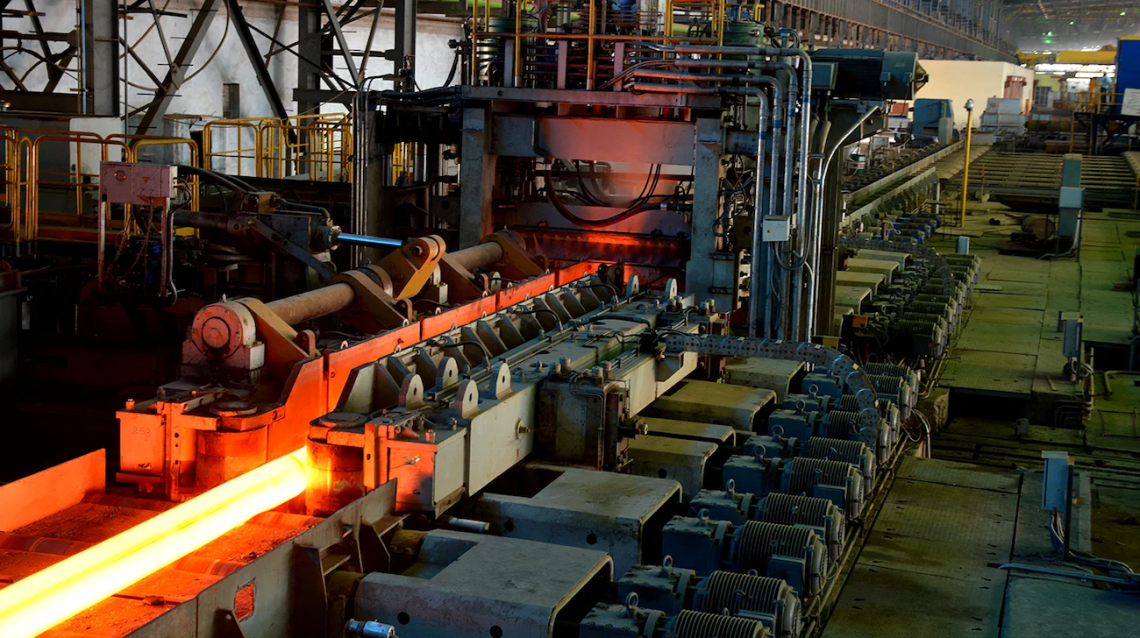
The country has established itself as Africa’s largest automotive exporter and has become one of the world’s fastest growing vehicle manufacturing centres. Its industrial ecosystem, modern infrastructure and access to major international markets have attracted increasing interest from global investors.
Morocco’s industrial achievements were recently recognised in the 2025 Africa Industrialisation Index published by the African Development Bank Group, which ranked the country as Africa’s leading industrial economy.
As India seeks to expand its economic presence across Africa and diversify global supply chains, Morocco is positioning itself as a natural partner capable of providing Indian businesses with a gateway to both European and African markets.
With cooperation deepening across trade, industry and defence, both countries appear keen to build on the momentum generated by recent high level exchanges and unlock new opportunities for long term strategic and economic collaboration.