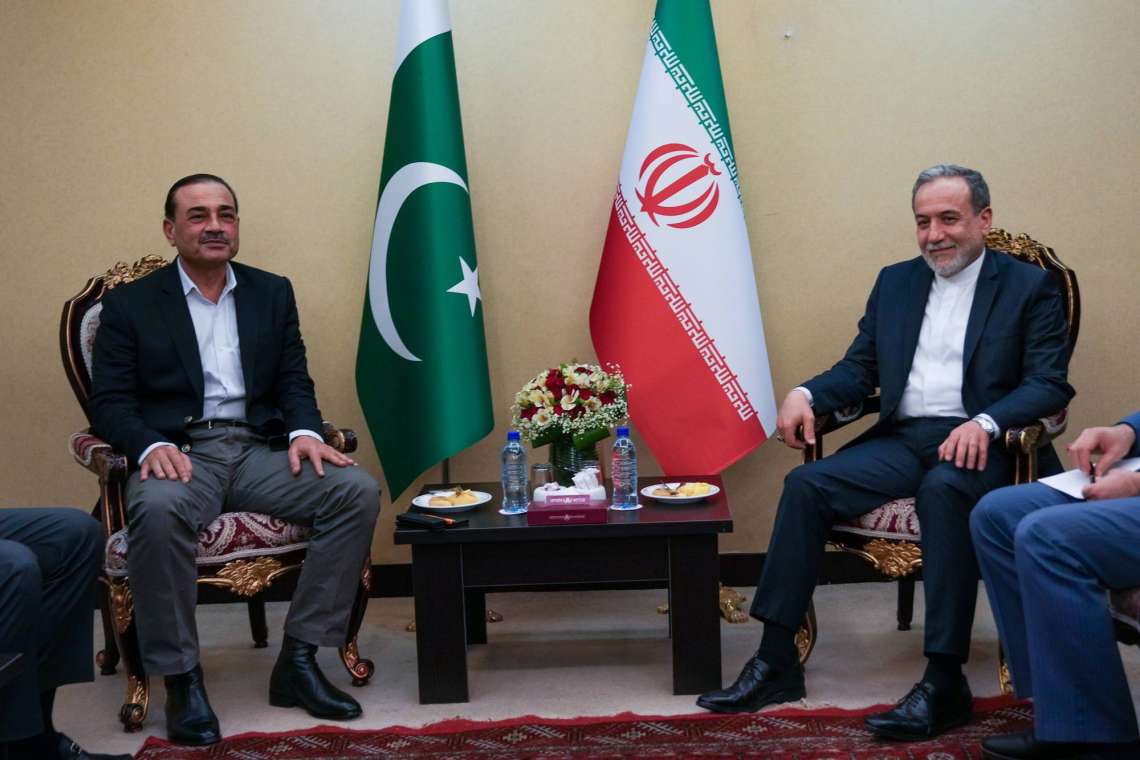
Pakistan Army Chief Asim Munir has arrived in Tehran for talks with Iranian officials amid heightened regional tensions…reports Asian Lite News Desk
Pakistan Army Chief Asim Munir arrived in Tehran on Monday for talks with Iranian officials, as Islamabad seeks to strengthen ties with its neighbour while navigating heightened regional tensions and its relationships with Saudi Arabia and Turkiye.
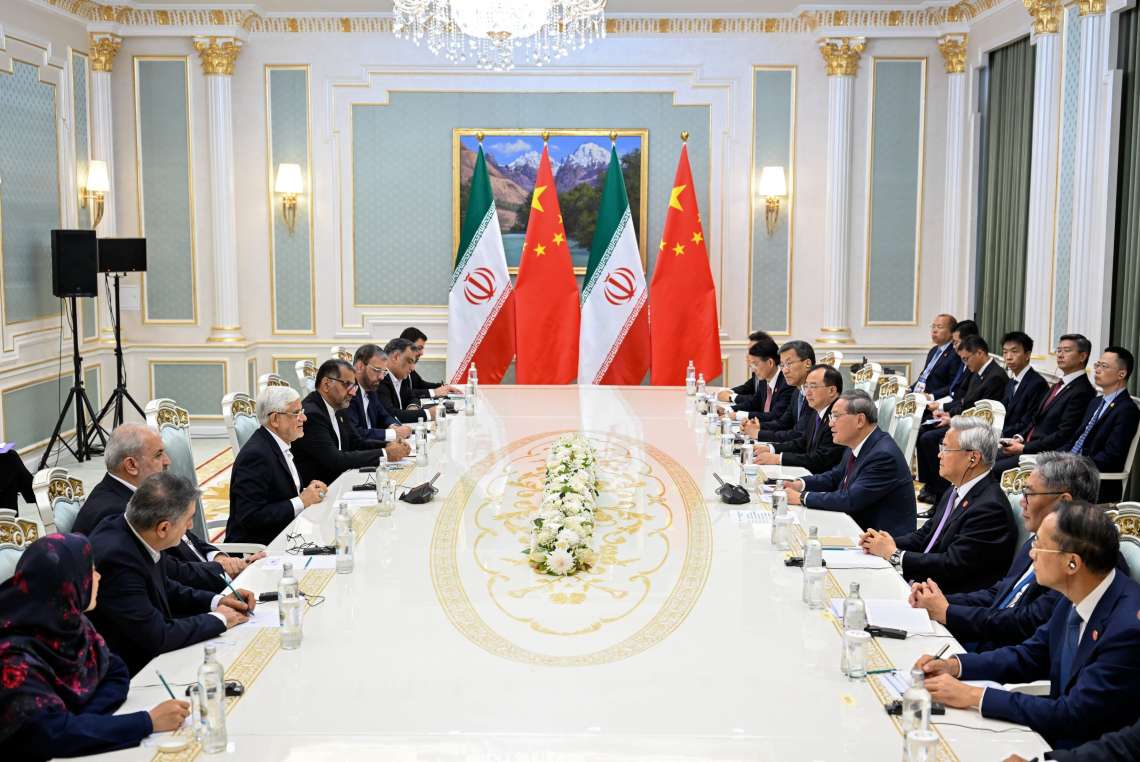
Iranian Foreign Ministry spokesperson Esmaeil Baghaei said Munir’s visit was taking place within the framework of bilateral relations and described ties between Iran and Pakistan as being at a particularly strong stage.
“The bilateral relationship between Iran and Pakistan is truly going through one of its best stages, and both sides are determined to expand these relations day by day, in all areas,” Baghaei said during a press briefing ahead of Munir’s arrival.
The visit comes as Pakistan seeks to maintain its diplomatic role amid continuing tensions in West Asia, including friction between Iran and the United States.
Pakistan has previously sought to facilitate communication between Washington and Tehran during periods of heightened tensions. Islamabad was also involved in efforts towards an interim understanding between the two sides in June, although that arrangement later collapsed.
Munir’s visit is also taking place alongside a planned visit to Tehran by Omani Foreign Minister Badr bin Hamad Al Busaidi.
Asked whether the two visits were connected, Baghaei said they were separate and only happened to coincide.
“The Oman visit has nothing to do with this; it is just almost simultaneous in terms of time,” Baghaei said.
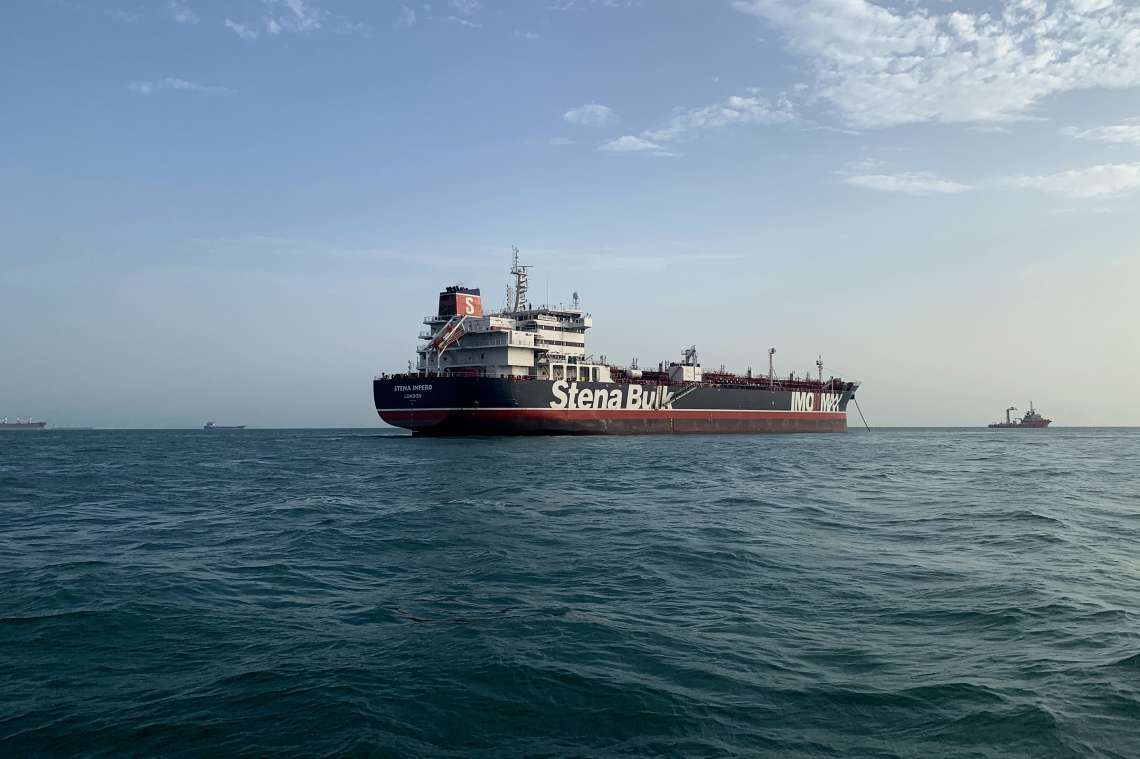
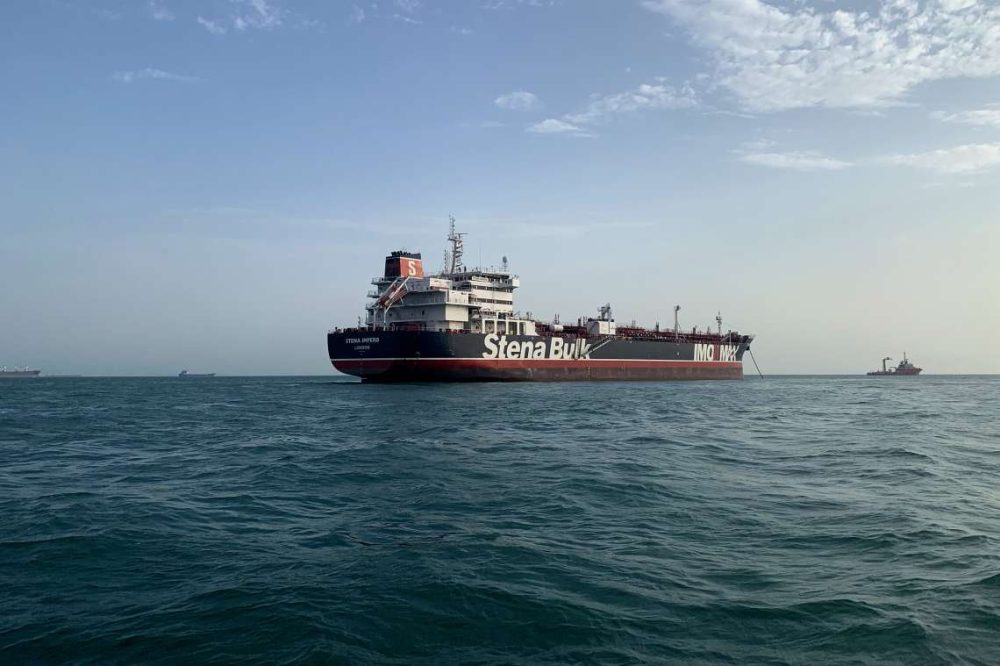
Al Busaidi is scheduled to travel to Tehran on Tuesday for discussions with Iranian officials. His talks are expected to cover bilateral relations, regional security and issues linked to the Strait of Hormuz and maritime traffic.
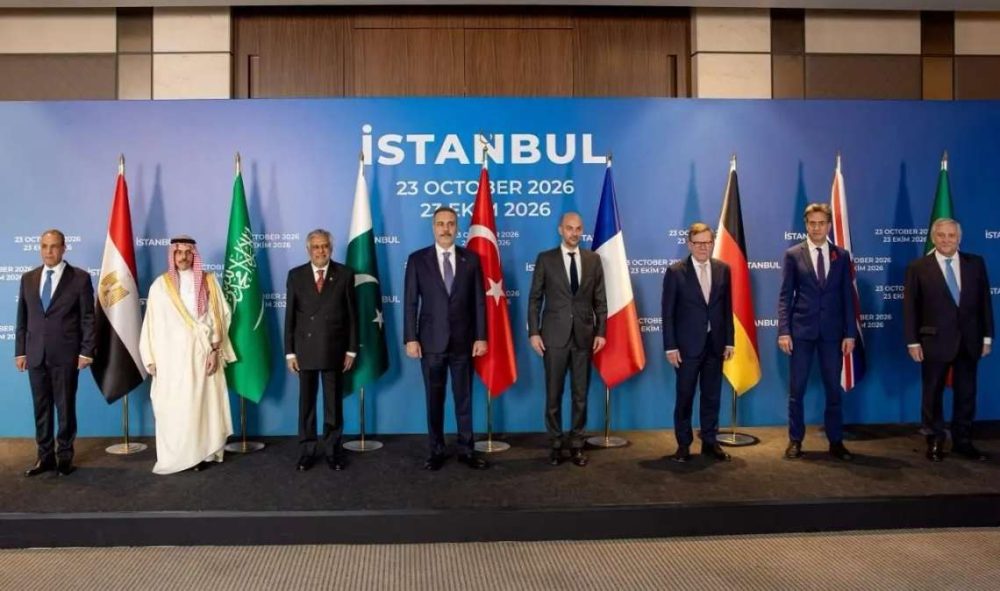
Munir’s visit also follows a major defence agreement signed by Pakistan, Saudi Arabia and Turkiye in Mecca on August 7.
The Mecca Joint Defence Agreement provides for greater defence cooperation and states that an armed attack against any one of the three countries would be regarded as an attack against all three. The pact is intended to strengthen collective deterrence and security cooperation among the three countries.
The agreement has already come under scrutiny following a Houthi drone attack on a Saudi Aramco refinery in Jazan. The attack took place two days after the agreement was signed and raised questions over how its collective-defence provisions could operate in the event of an attack.
No immediate military response from Pakistan or Turkiye was publicly announced following the incident.
The Houthis, a rebel movement in Yemen, are backed by Iran and have carried out attacks in the region as part of the wider conflict.
Turkish Foreign Minister Hakan Fidan has compared the collective-defence provision in the agreement with NATO’s Article 5, while making clear that member states would consult on the nature and scale of assistance required following an attack rather than automatically entering into combat.
Munir’s talks in Tehran are therefore being closely watched against the backdrop of Pakistan’s complex regional relationships.
Islamabad maintains close strategic and defence ties with Saudi Arabia and Turkiye while also sharing a border and longstanding diplomatic ties with Iran.
The visit could provide an opportunity for Pakistan and Iran to discuss bilateral cooperation as well as wider regional security concerns, while highlighting Islamabad’s efforts to maintain relations with competing regional partners.