Pakistan’s escalating military operations along the Afghanistan border are beginning to test its recently signed strategic defence agreement with Saudi Arabia amid rising tensions in the Gulf, reports Kaliph Anaz
Pakistan’s escalating military operations along the Afghanistan border are beginning to ripple across the region, complicating Islamabad’s strategic commitments abroad while also fuelling a growing humanitarian crisis inside Afghanistan.
Over the past two weeks, Pakistan has launched large-scale military operations along its western frontier following months of tensions with Afghanistan’s Taliban-led government. Islamabad accuses Kabul of failing to curb militant groups responsible for attacks inside Pakistan, an allegation the Taliban authorities deny.

The latest escalation comes amid rising tensions across West Asia, where a wider confrontation involving Iran, Israel and the United States has intensified. Iran has reportedly carried out repeated attacks against Saudi Arabia and other Gulf states during the same period, heightening regional security concerns.
The overlapping crises have placed Pakistan in a delicate diplomatic position following the recent signing of a Strategic Mutual Defence Agreement with Saudi Arabia. Under the agreement, both countries pledged to support each other using their available resources if either state comes under attack.
Despite reported Iranian strikes on Saudi targets, there has been no indication that Pakistan has deployed military assets to assist Riyadh. Sources familiar with the discussions say Pakistani officials have privately conveyed that the country’s armed forces are currently heavily engaged along the Afghan frontier and are unable to divert troops abroad.
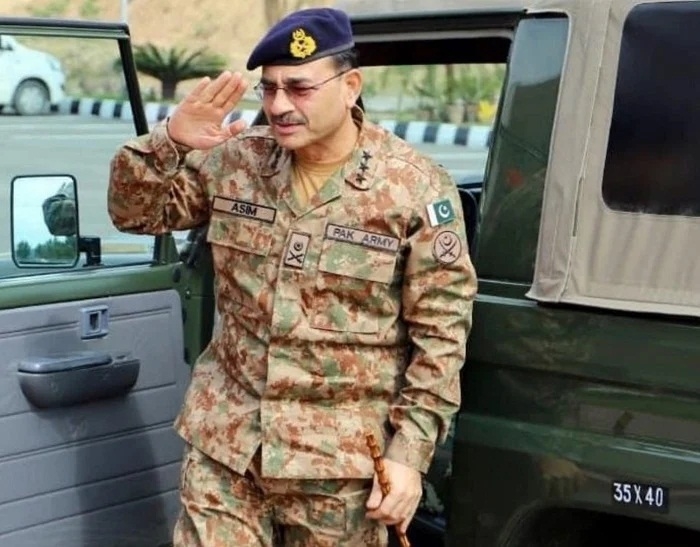
Pakistan’s army chief, Field Marshal Asim Munir, is understood to have communicated this position directly to Saudi Crown Prince Mohammed bin Salman. According to the sources, Munir explained that the scale of operations along the Afghanistan border has significantly stretched Pakistan’s military capacity.
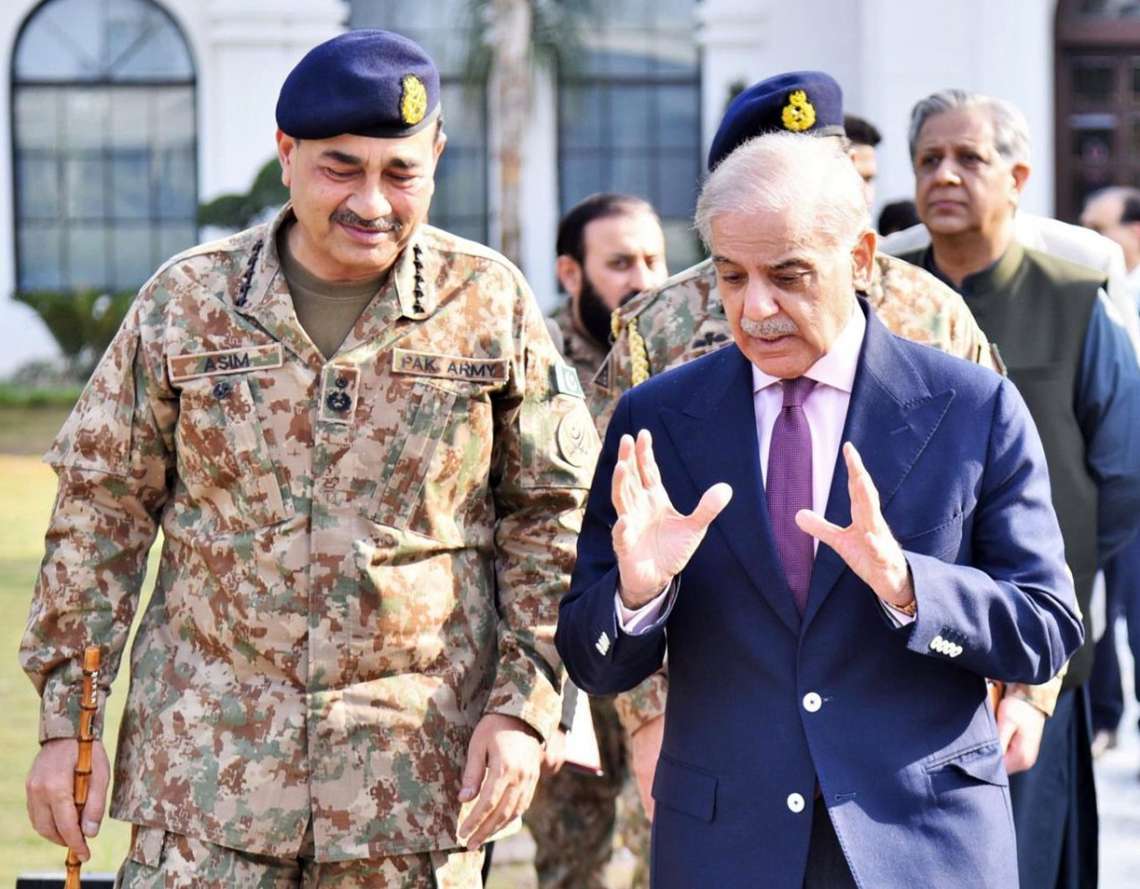
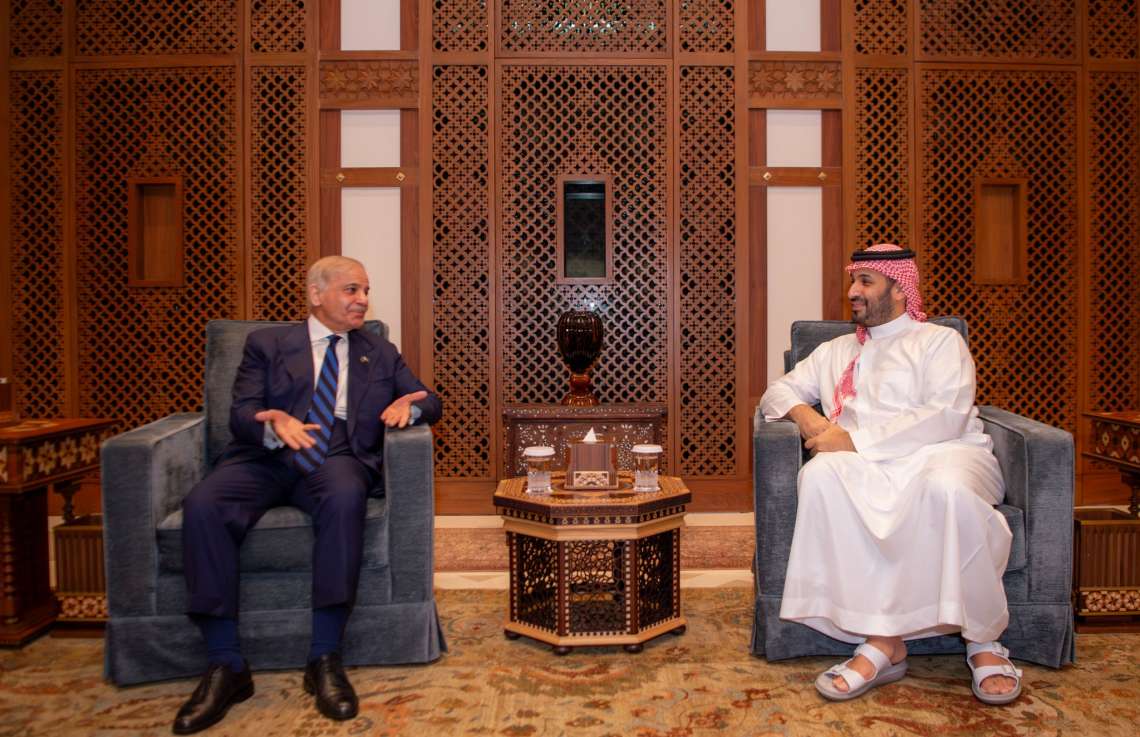
Saudi officials have reportedly sought clarity from Islamabad regarding the defence agreement. Crown Prince Mohammed bin Salman is believed to have spoken several times with Munir and with Pakistan’s Prime Minister, Shehbaz Sharif, in recent weeks to discuss the issue.
The matter was also raised during a recent visit to Saudi Arabia by Sharif and Munir, who travelled to the kingdom after what officials described as an urgent request from Riyadh. During the discussions, Pakistan’s leadership reiterated that operational commitments along the Afghan frontier limit its ability to deploy forces to the Gulf at present.
Instead, Islamabad is believed to have offered diplomatic support, suggesting it could help facilitate dialogue between Iran and Saudi Arabia in an effort to reduce tensions and discourage further attacks.
While there has been no official indication of a breakdown in relations, the situation has highlighted the challenges facing defence partnerships during periods of simultaneous regional crises.
At the same time, the conflict along the Pakistan–Afghanistan border is deepening humanitarian concerns inside Afghanistan. The UN World Food Programme said on Sunday it had begun delivering “life-saving food” assistance to more than 20,000 Afghan families displaced by the fighting.
According to the agency, families forced to flee their homes are initially receiving fortified biscuits designed to address urgent hunger, particularly among those with limited access to cooking facilities after leaving their homes.
The UN said that in the coming weeks, the most vulnerable households will receive additional support, including food supplies or cash assistance covering two months.
Months of cross-border clashes between Afghanistan and Pakistan have intensified again since February 26. The United Nations said on Friday that at least 75 civilians have been killed and 193 injured in Afghanistan as a result of the fighting.
“Despite the dangerous conditions in the area, WFP has resumed operations in most border areas,” the agency said in a statement. John Aylieff, WFP’s country director in Afghanistan, warned that the conflict risked worsening an already severe humanitarian situation. “Afghanistan is caught between two conflicts, and any further instability will push millions deeper into hunger while adding strain to a region already on the brink,” he said.
Afghanistan is also facing pressures on its western border with Iran, which has been targeted by US and Israeli strikes in the broader regional confrontation, forcing many Afghan migrants to return home.
Even before the latest escalation, the United Nations estimated that nearly half of Afghanistan’s population — around 21.9 million people — would require humanitarian assistance this year. Aid agencies warn that continued conflict, combined with the prolonged closure of the Afghanistan–Pakistan border since last October, is complicating relief efforts and disrupting supply routes.
To maintain humanitarian deliveries, the World Food Programme is now exploring alternative supply routes through Turkiye, Georgia, Azerbaijan, the Caspian Sea and Turkmenistan as it attempts to keep food assistance flowing into the country.