US Secretary of State Marco Rubio has said the Trump administration is working aggressively to prevent Ebola cases from entering the United States amid concerns over an outbreak in parts of Africa. He said multiple federal agencies are coordinating containment efforts overseas while monitoring travel and border movements…reports Asian Lite News Desk
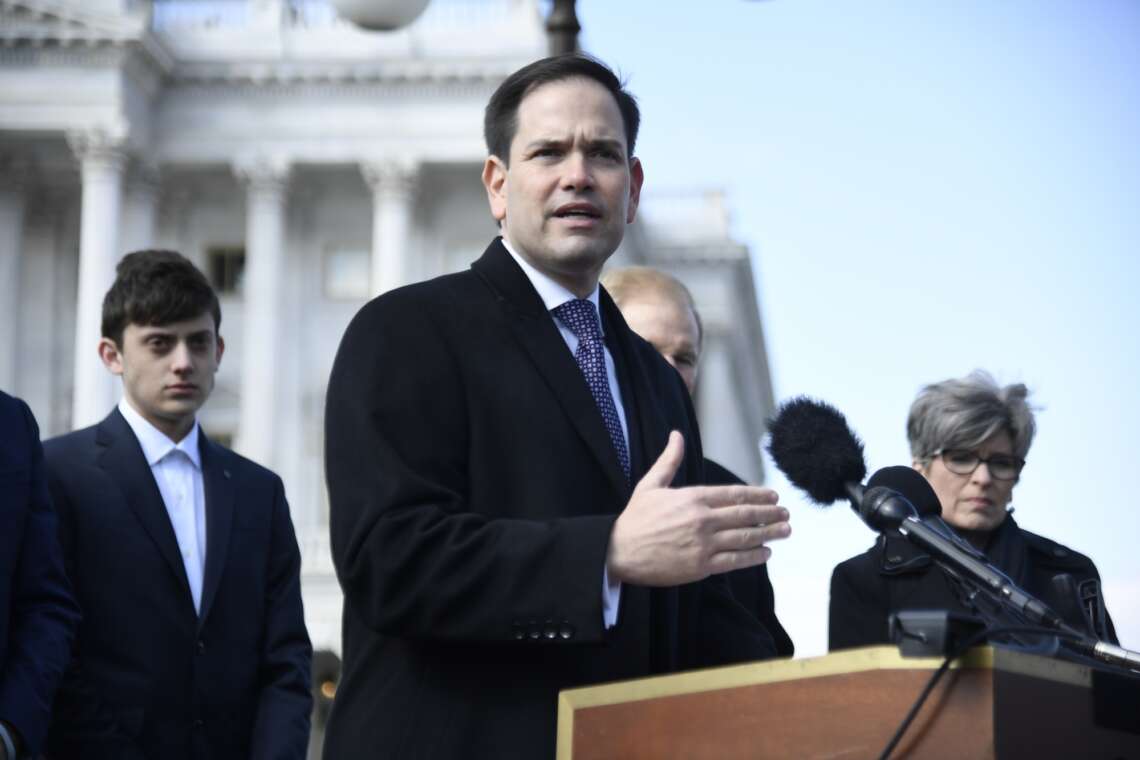
The United States is stepping up efforts to prevent the spread of Ebola into the country, with Secretary of State Marco Rubio saying the Trump administration is working aggressively to contain risks linked to an outbreak in parts of Africa.
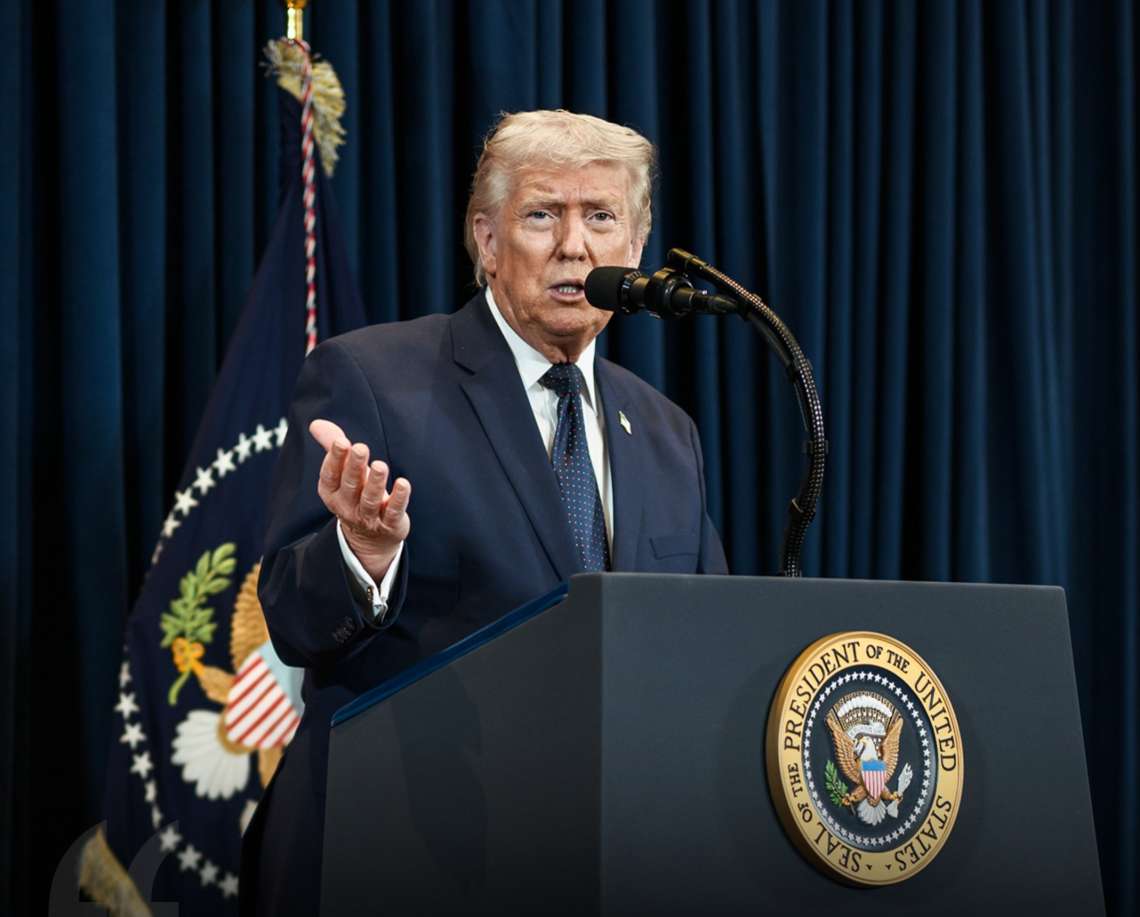
Speaking during a Cabinet meeting chaired by President Donald Trump at the White House on Wednesday local time, Rubio said the government’s priority was protecting Americans from potential exposure to the virus while supporting containment efforts abroad. The discussion formed part of a wider meeting that also focused on foreign policy, immigration, energy and national security issues.
“We cannot and will not allow any cases of Ebola to enter the United States,” Rubio said.
Rubio said several US federal agencies were coordinating their response, including the State Department, the Centers for Disease Control and Prevention, the Department of Health and Human Services and other government bodies. He said the effort was primarily focused on supporting containment measures in affected regions, particularly in the Democratic Republic of the Congo, where Ebola outbreaks have occurred periodically in recent years.
“We’ve surged assistance to make sure that that is being contained there,” Rubio said.
He added that US authorities were closely monitoring travel routes and border movements in order to reduce the risk of infected individuals entering the country. The approach reflects a continuation of earlier public health and border security practices used by the United States during previous Ebola outbreaks, which included enhanced screening procedures and international coordination.
“Americans should feel assured that the President and his administration is doing everything we can to protect them on that front,” Rubio said.
The Cabinet meeting was chaired by President Donald Trump and included updates on a range of domestic and international issues. Ebola was not the central focus of the discussions, which instead placed greater emphasis on Iran, immigration enforcement, defence spending, energy policy and government fraud investigations.
Rubio’s remarks on Ebola came alongside broader comments on immigration and international cooperation. He said earlier in the meeting that the US had secured agreements with 20 countries to accept deportees from the United States as part of efforts to strengthen immigration enforcement and border control measures.
The Secretary of State also framed health security as part of wider foreign policy priorities, saying the “number one priority” of American foreign policy remained the protection of US citizens.
The Democratic Republic of the Congo has experienced multiple Ebola outbreaks over the past decade. The virus, which is highly infectious and can spread through direct contact with bodily fluids, has prompted repeated international responses involving local health authorities, the World Health Organization and partner countries.
Ebola outbreaks have historically raised global concern due to the severity of the disease and the potential for cross-border transmission, particularly in regions with limited healthcare infrastructure. International coordination efforts have typically focused on containment at source, contact tracing, vaccination campaigns where available and public health monitoring.
In the United States, previous outbreaks in West and Central Africa have led to heightened airport screening procedures and public health alerts, as well as expanded cooperation with international health agencies. Authorities have also stressed the importance of early detection and rapid response mechanisms to prevent imported cases.
India and other countries with strong travel links to Africa have also maintained surveillance measures during past outbreaks, reflecting wider global concern about infectious disease spread in an interconnected world.
Ebola remains a high-priority disease for global health agencies due to its high fatality rate in severe outbreaks and the challenges of controlling transmission in densely populated or resource-limited settings. International responses typically combine medical intervention with logistical and security coordination across borders.
The US government’s latest comments underscore ongoing concerns about biological threats alongside geopolitical tensions, with health security increasingly integrated into broader foreign policy and national security planning.