From New Delhi to diaspora communities in the UK and beyond, the day is observed as both a national milestone and a global reaffirmation of India’s commitment to constitutional rule and democratic values, writes Virendra Sharma…reports Asian Lite News
Every year on 26 January, India celebrates Republic Day—a day that stands not merely as a commemoration of constitutional enactment, but as a reaffirmation of the nation’s deepest commitments: democracy, justice, liberty, equality, and fraternity. It is a day when the world’s largest democracy reflects on its journey from colonial subjugation to constitutional self-governance, and when Indians at home and across the global diaspora renew their faith in the ideals that bind a nation of extraordinary diversity.
Republic Day is not just a ceremonial event marked by parades and pageantry. It is a reminder that India chose the path of constitutionalism over authoritarianism, pluralism over exclusion, and democratic debate over domination. In doing so, India offered the world a powerful example: that unity need not erase diversity, and that democracy can flourish even amidst immense social, linguistic, religious, and cultural complexity.
India attained independence on 15 August 1947, yet it was on 26 January 1950 that the country formally became a republic, adopting its own Constitution and shedding the final vestiges of colonial rule. The choice of this date was deliberate. On 26 January 1930, the Indian National Congress had declared Purna Swaraj—complete independence—from British rule. Two decades later, that aspiration found its legal and moral fulfilment.
The Indian Constitution, drafted under the visionary leadership of Dr. B. R. Ambedkar, is one of the most comprehensive constitutional documents in the world. It was framed after intense deliberation, drawing upon global best practices while remaining firmly rooted in India’s civilisational values and lived realities. The Constituent Assembly debated not only structures of governance, but also the nature of citizenship, the rights of minorities, the status of women, and the responsibility of the state towards the most marginalised.
Republic Day thus celebrates not just independence, but self-rule under the rule of law.
At the heart of Republic Day lies the Indian Constitution—a document that is both legal and ethical. Its Preamble sets out a vision of India as a Sovereign, Socialist, Secular, Democratic Republic, committed to securing justice—social, economic, and political—for all its citizens.
These words are not ornamental. They are aspirational and instructive. They remind governments of their duties and citizens of their rights and responsibilities. The Constitution enshrines fundamental rights, safeguards freedom of expression and belief, and establishes mechanisms to prevent the concentration and abuse of power.
Importantly, it also recognises the need for affirmative action, acknowledging historical injustices and striving for substantive equality. In this sense, India’s Republic Day is a celebration of social reform as much as political freedom.
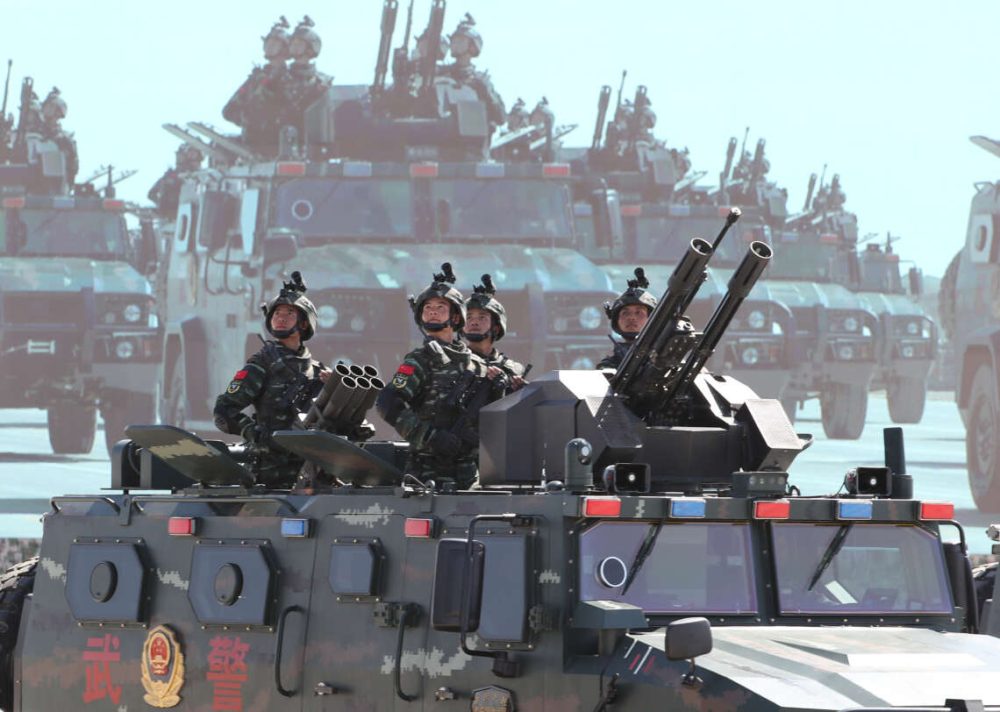
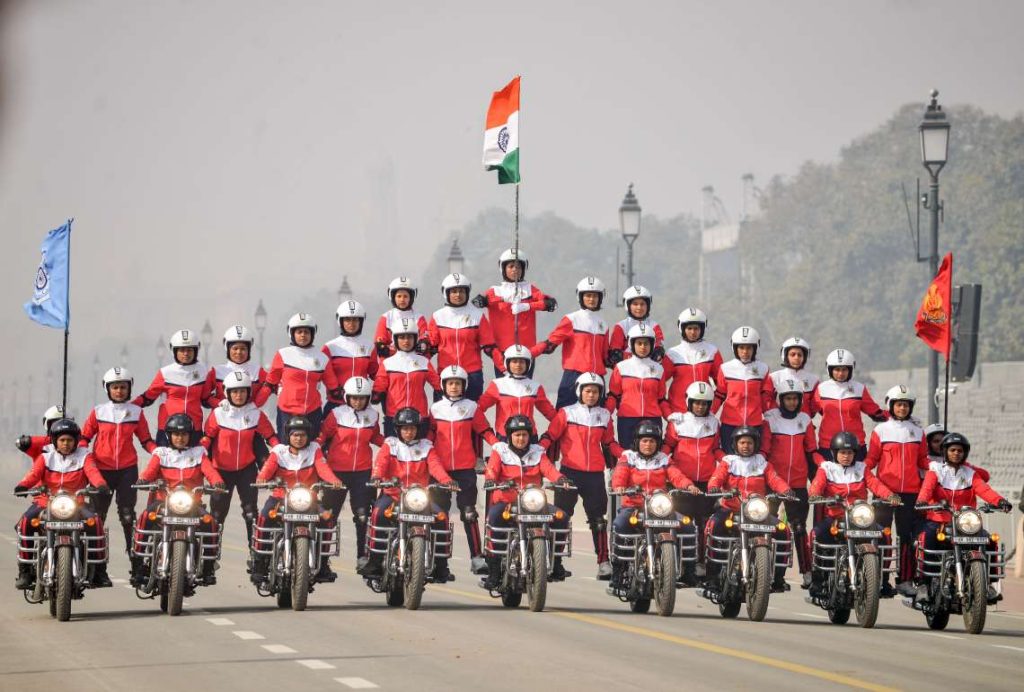
The Republic Day Parade in New Delhi is among the most visually striking state ceremonies in the world. With the President of India as the supreme constitutional authority presiding, the parade showcases India’s military strength, technological capability, and cultural diversity.
Each tableau tells a story—of regional heritage, developmental achievements, folk traditions, scientific innovation, or social transformation. From the rhythmic march of the armed forces to the colourful representation of states and union territories, the parade symbolises a nation confident in its diversity and secure in its unity.
Yet the true power of Republic Day lies beyond spectacle. It lies in the message that civilian authority governs the military, that institutions matter, and that democracy is safeguarded through constitutional balance.
India’s Republic Day has also become a moment of international significance. The tradition of inviting a foreign Head of State or Government as Chief Guest reflects India’s growing global stature and its commitment to international cooperation. Over the years, leaders from across continents have stood on the ceremonial boulevard of Kartavya Path, symbolising India’s engagement with the world as an equal partner.
In an era marked by democratic backsliding in many regions, India’s continued constitutional continuity carries global importance. The Republic Day message resonates strongly with countries striving to balance development, democracy, and diversity.
For the Indian diaspora, particularly in countries like the United Kingdom, Republic Day holds a special emotional and civic significance. It is a moment of reflection on identity—how one can be deeply rooted in Indian values while actively contributing to the societies in which diaspora communities live.
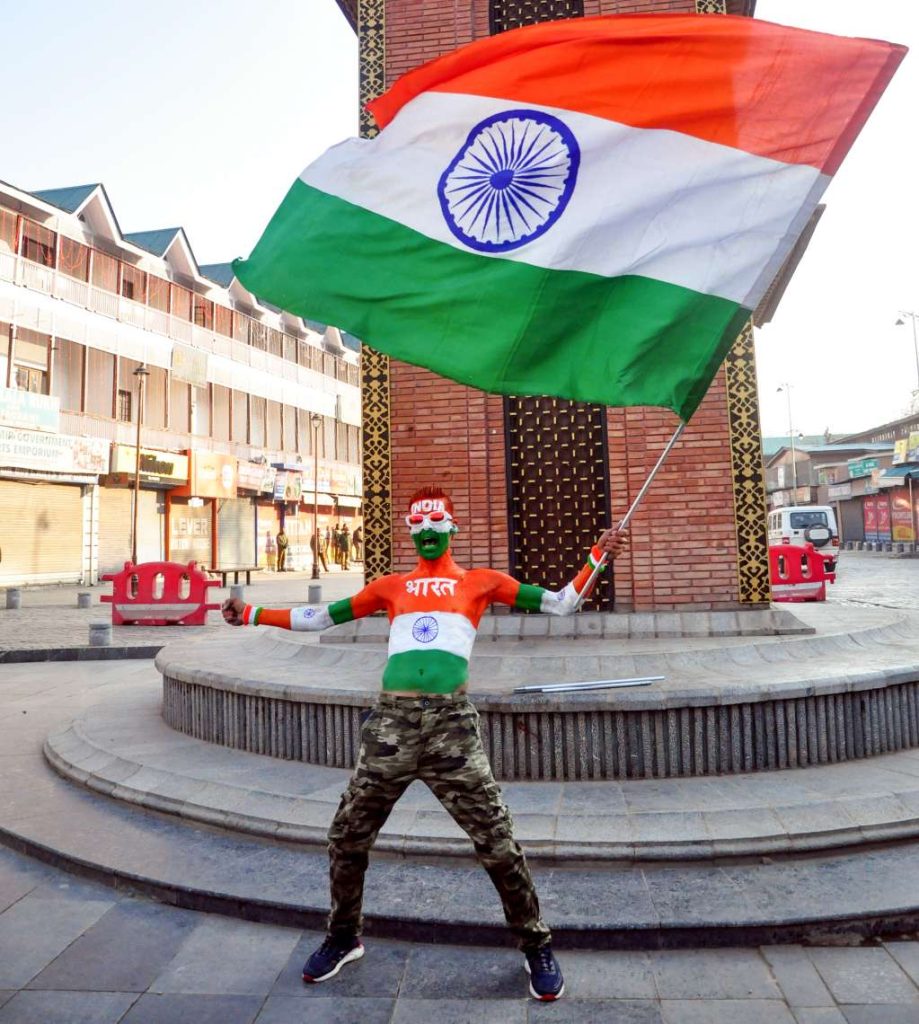
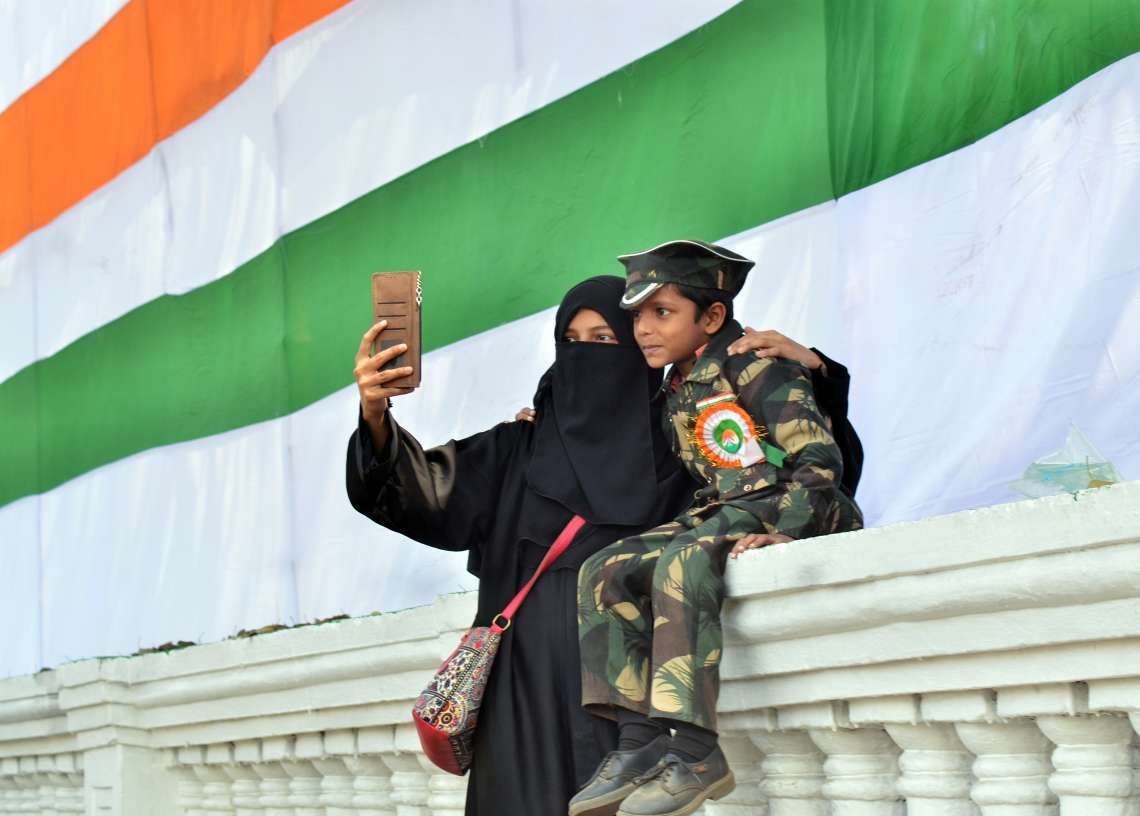
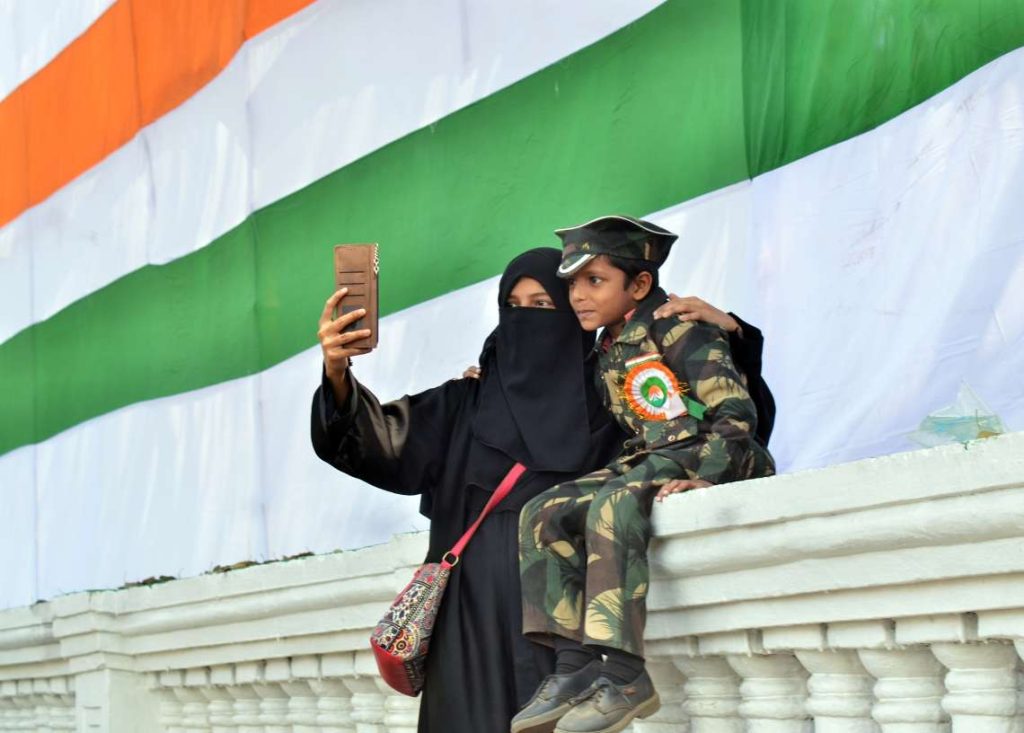
Across the UK, Republic Day is marked in temples, gurdwaras, mosques, churches, community centres, educational institutions, and Indian High Commission events. These celebrations are inclusive and intergenerational, bringing together first-generation migrants and young British Indians who may never have lived in India but feel a strong connection to its democratic ethos.
For many diaspora Indians, the Constitution represents not only Indian citizenship but a universal commitment to human rights, equality, and social justice—values that resonate strongly within the British democratic tradition.
India and the United Kingdom share deep constitutional and parliamentary links. India adapted the Westminster model while reshaping it to reflect its own social realities. Over time, India has enriched democratic practice through innovations such as judicial activism, public interest litigation, and local self-governance.
Republic Day offers an opportunity to reflect on how democratic values travel across borders. Many Indians in Britain actively participate in civic life—as councillors, parliamentarians, civil servants, educators, and community leaders—bringing with them a lived appreciation of constitutional democracy forged in India.
This dual contribution strengthens both nations and underscores the universality of democratic principles.
Republic Day is also a moment for honest introspection. A republic is not defined solely by constitutional text, but by how faithfully its principles are upheld in practice. Issues of social inequality, communal harmony, freedom of expression, economic justice, and institutional independence remain ongoing challenges.
The strength of a republic lies not in denying these challenges, but in addressing them through democratic means—dialogue, reform, and accountability. Republic Day reminds citizens that democracy is not a spectator sport. It requires participation, vigilance, and moral courage.
Dr. Ambedkar warned that political democracy cannot survive without social democracy. That warning remains as relevant today as it was in 1950.
Unlike Independence Day, which commemorates a historical rupture, Republic Day celebrates a continuing process. The Constitution is a living document, interpreted and refined through democratic practice. Each generation inherits not only rights, but responsibilities—to protect institutions, respect diversity, and expand the circle of inclusion.
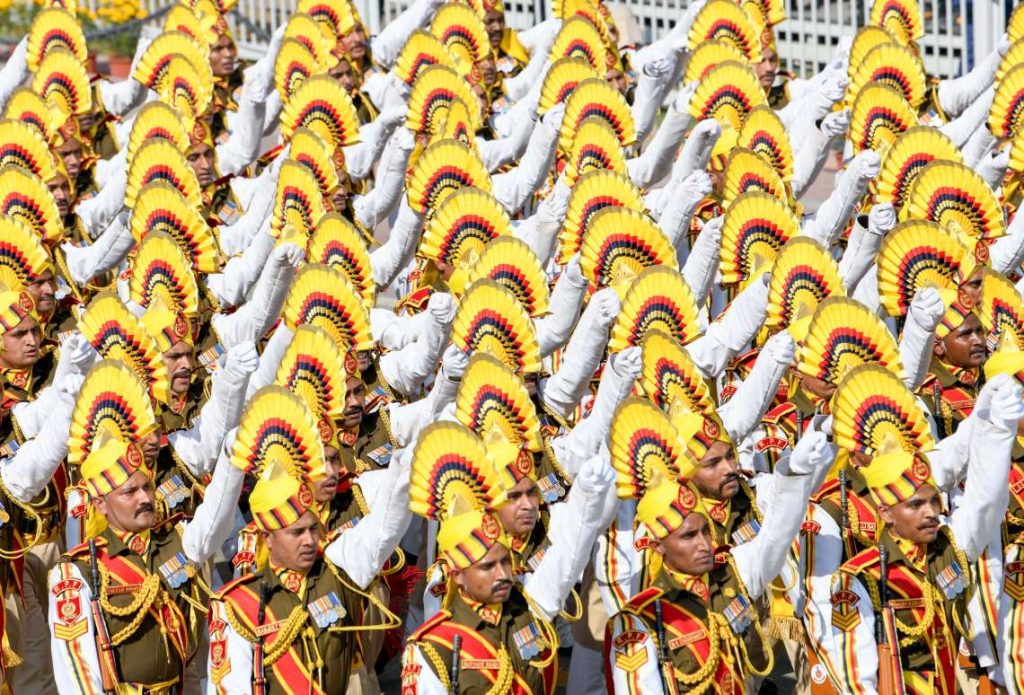
For young people, Republic Day is an invitation to engage with civic life. For public servants, it is a reminder of constitutional duty. For leaders, it is a call to humility and service. For the diaspora, it is a bridge connecting heritage with global citizenship.
India’s Republic Day is ultimately a celebration of hope anchored in law. It affirms that a nation of over a billion people, speaking hundreds of languages and practising multiple faiths, can be bound together not by uniformity, but by shared constitutional values.
As the tricolour rises each 26 January, in India and across the world, it symbolises more than national pride. It represents a collective promise—that freedom will be protected by law, that power will be exercised with accountability, and that the dignity of every citizen will be upheld.
In a world increasingly divided by intolerance and authoritarianism, the Indian Republic stands as a reminder that democracy, though imperfect and demanding, remains humanity’s most noble experiment.
Republic Day is not only India’s celebration. It is a reaffirmation of the universal belief that people, when governed by just laws and shared values, can shape their own destiny.
(* The author is a former Member of Parliament)