India’s BRICS presidency in 2026 is set to put New Delhi at the heart of a rapidly shifting multipolar world, with France and other G7 partners signalling a desire to build bridges rather than deepen rival blocs, writes Anil Trigunayat
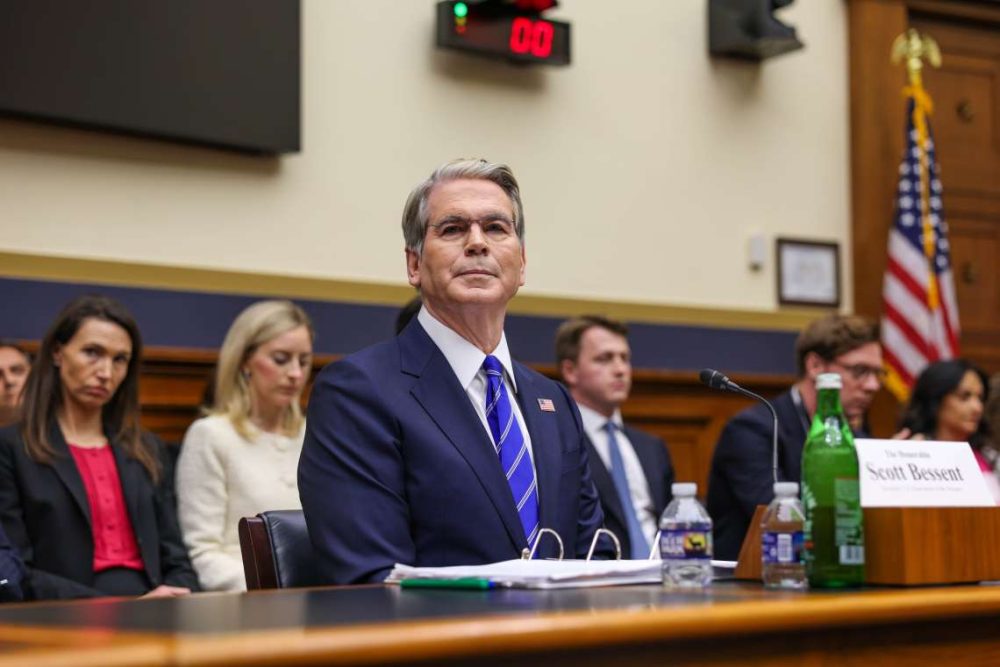
France’s Foreign Minister Jean-Noël Barrot’s recent remarks in New Delhi, alongside External Affairs Minister S. Jaishankar, highlighted a moment of strategic opportunity: France will chair the G7 while India leads BRICS in 2026. President Emmanuel Macron reinforced this convergence, stressing that BRICS and the G7 must not become rival camps but complementary pillars of a multipolar world. His call to “build bridges” reflects a growing recognition that global stability depends less on rigid blocs and more on cooperative coexistence between established and emerging centres of power.
This convergence is grounded in economic and geopolitical reality. The G7 continues to dominate global finance, advanced technology, currencies and rule-setting institutions. BRICS, by contrast, increasingly represents the engine of global growth, commodity supply, manufacturing capacity and expanding consumer markets. Together they cover the world’s most critical economic functions. India’s expanding strategic partnership with Europe, including a forthcoming trade agreement and the EU leadership’s presence as chief guest at India’s 2026 Republic Day celebrations, reinforces this bridge-building role.
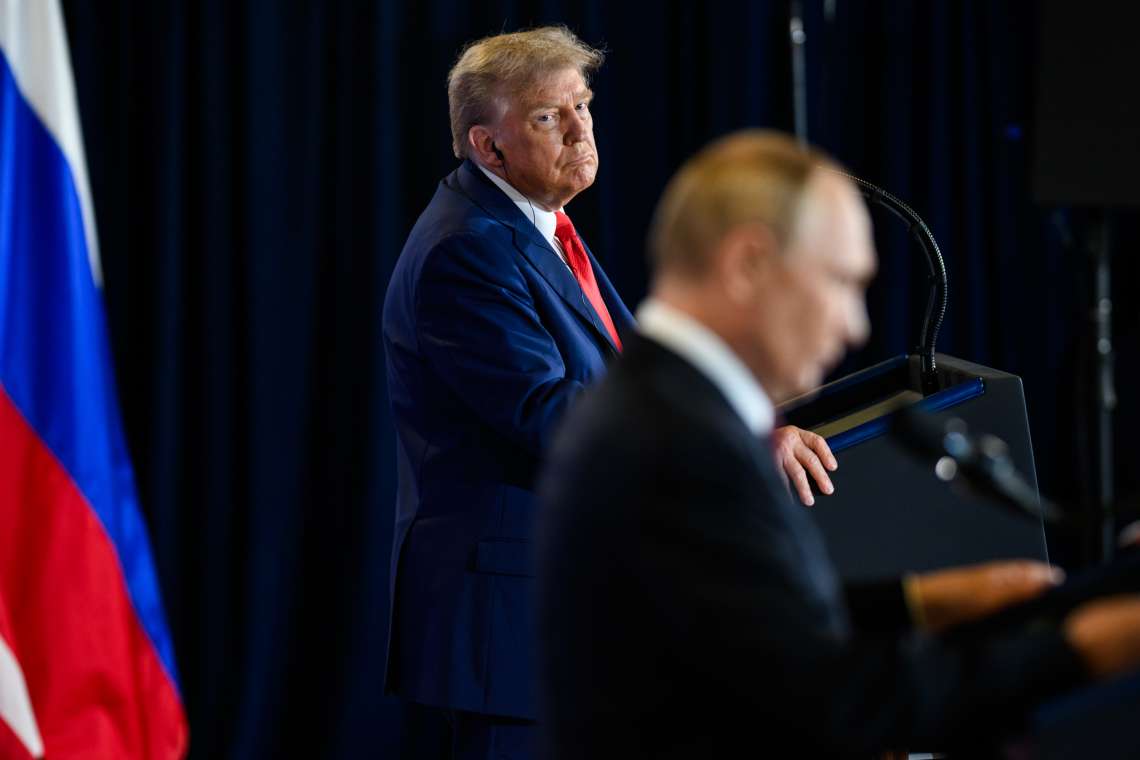
The French initiative is also a response to the growing breakdown of multilateralism. Unilateralism has become a defining feature of contemporary geopolitics, illustrated by the United States’ withdrawal from dozens of international agreements and rising tensions within the transatlantic alliance. The resulting instability has created space for new groupings and cross-regional arrangements that bypass rigid Cold War–style alliances. In this context, India occupies a rare position. As a founding member of both BRICS and the QUAD, India belongs to two networks often portrayed as being on opposite sides of the global divide. New Delhi, however, insists that BRICS is not anti-Western but a non-Western platform reflecting the aspirations of the Global South, anchored in its civilisational belief that the world is one family — *Vasudhaiva Kutumbakam*.
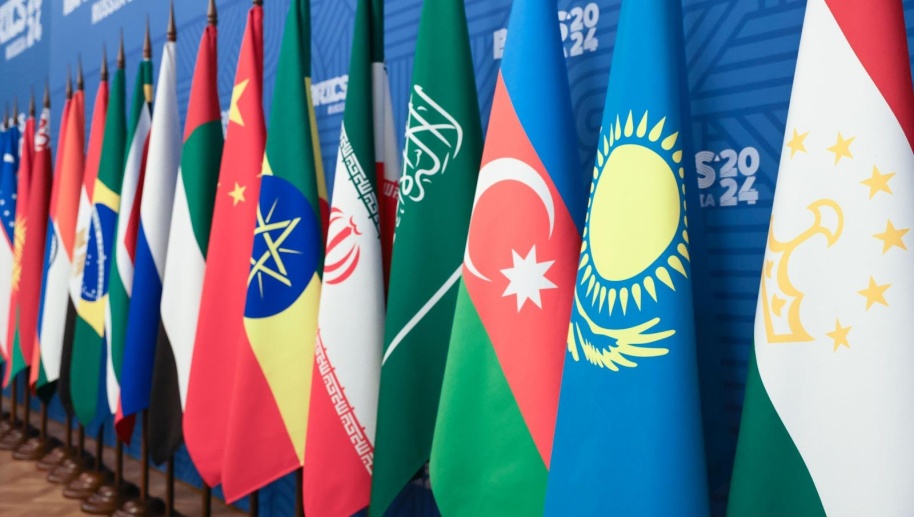
Since Jim O’Neill first coined the term BRIC, the grouping has evolved dramatically. What began as a concept for four fast-growing economies has become a ten-member bloc including South Africa, Egypt, Ethiopia, Iran, Indonesia and the UAE, with Saudi Arabia participating and many more states seeking entry. The decision to introduce partner-country status reflects the grouping’s expanding appeal in a fragmented world order. Together, BRICS countries account for nearly half of the world’s population and around 40 per cent of global GDP. India and China now anchor this economic weight, with India emerging as the world’s fastest-growing major economy and the fourth-largest globally.
BRICS also commands immense strategic resources: energy producers and consumers, critical minerals, manufacturing capacity and large domestic markets. Despite its internal diversity — ranging from liberal democracies to authoritarian states — it operates on the principle of mutual respect and shared interest rather than ideological alignment. This diversity is not a weakness but a hallmark of multipolarity.
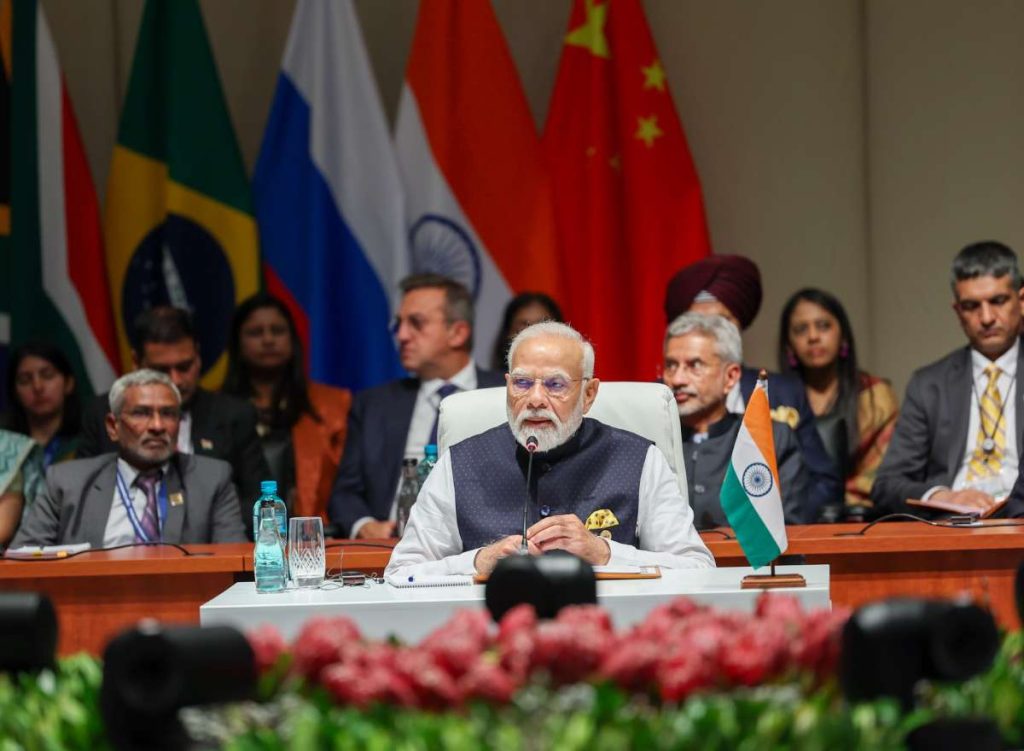
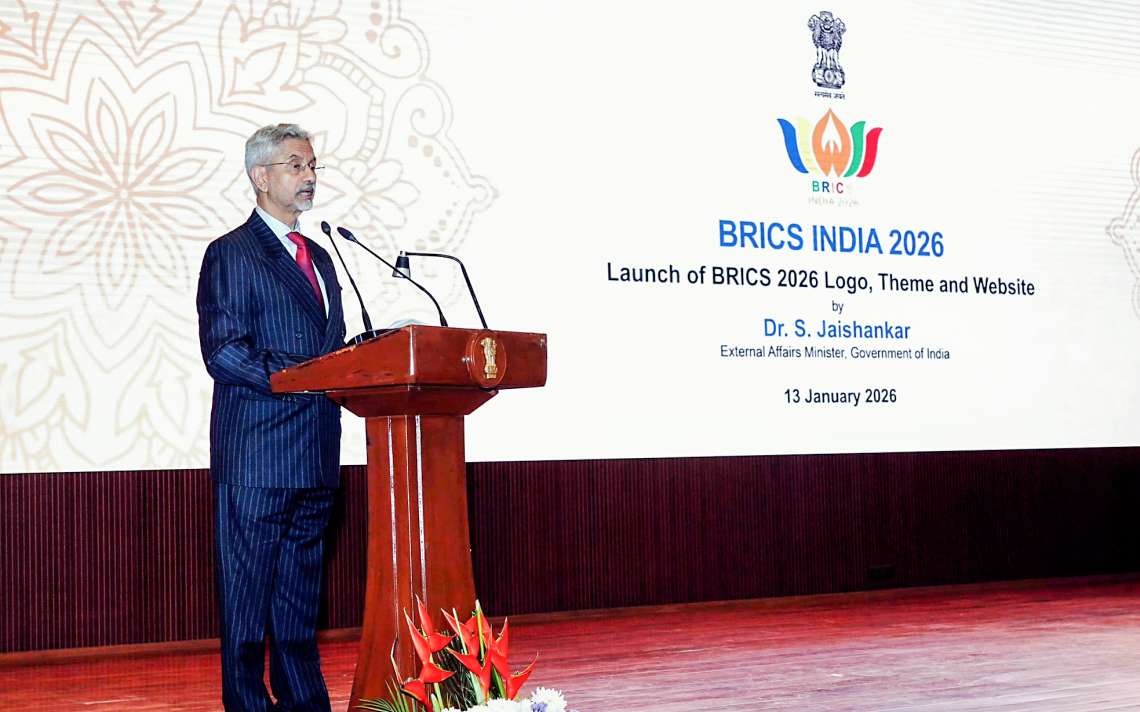
India’s BRICS chairmanship in 2026 will therefore be more than ceremonial. New Delhi will host the BRICS Summit and a dense calendar of ministerial and sectoral meetings covering trade, technology, fintech, development, health, education, counter-terrorism and culture. A central Indian priority will be reform of global governance, especially the United Nations and the Security Council, whose post-1945 structure no longer reflects today’s distribution of power. The growing use of financial sanctions and trade barriers, particularly by the United States, has further intensified calls for institutional reform. Efforts to reduce dependence on the dollar and promote transactions in national currencies are driven less by ideology than by the need for economic security in a weaponised financial system, even if proposals for a BRICS currency remain controversial, including in India.
BRICS also reflects a changing security landscape. Instead of a single global order, multipolarity produces overlapping regional systems. Russia shapes Eurasian security, China East Asia, India the Indian Ocean and the Global South, while Brazil and South Africa stabilise their respective regions. This decentralisation increases flexibility but can also heighten regional rivalries and slow institutional cohesion within groups such as BRICS.
India’s hosting of the QUAD Summit in the same year underscores its unique diplomatic position. By engaging both Western and non-Western coalitions, India has the credibility to reduce zero-sum thinking and promote practical cooperation. In a world facing shared threats — from climate change to terrorism and financial instability — dialogue across camps is no longer optional.
BRICS does not seek to overthrow the global system but to rebalance it toward a more equitable, pluralistic order. India’s approach is reformist rather than revolutionary: strengthening existing institutions while making them more representative. As Prime Minister Narendra Modi has argued, BRICS stands for “Building Resilience and Innovation for Cooperation and Sustainability,” guided by principles such as the universal condemnation of terrorism. India’s 2026 presidency will therefore aim not to divide the world into blocs, but to knit it together in a more stable and inclusive multipolar framework.
(The author is a former Indian Ambassador to Jordan, Libya, and Malta and currently a distinguished fellow with prestigious Thinks Tanks like Vivekananda International Foundation and United Services Institute of India.)