Nepal Prime Minister Balendra Shah’s reclusive style, once popular with young voters, is facing scrutiny over his limited engagement with Parliament and President Paudel…reports India Daily News Desk
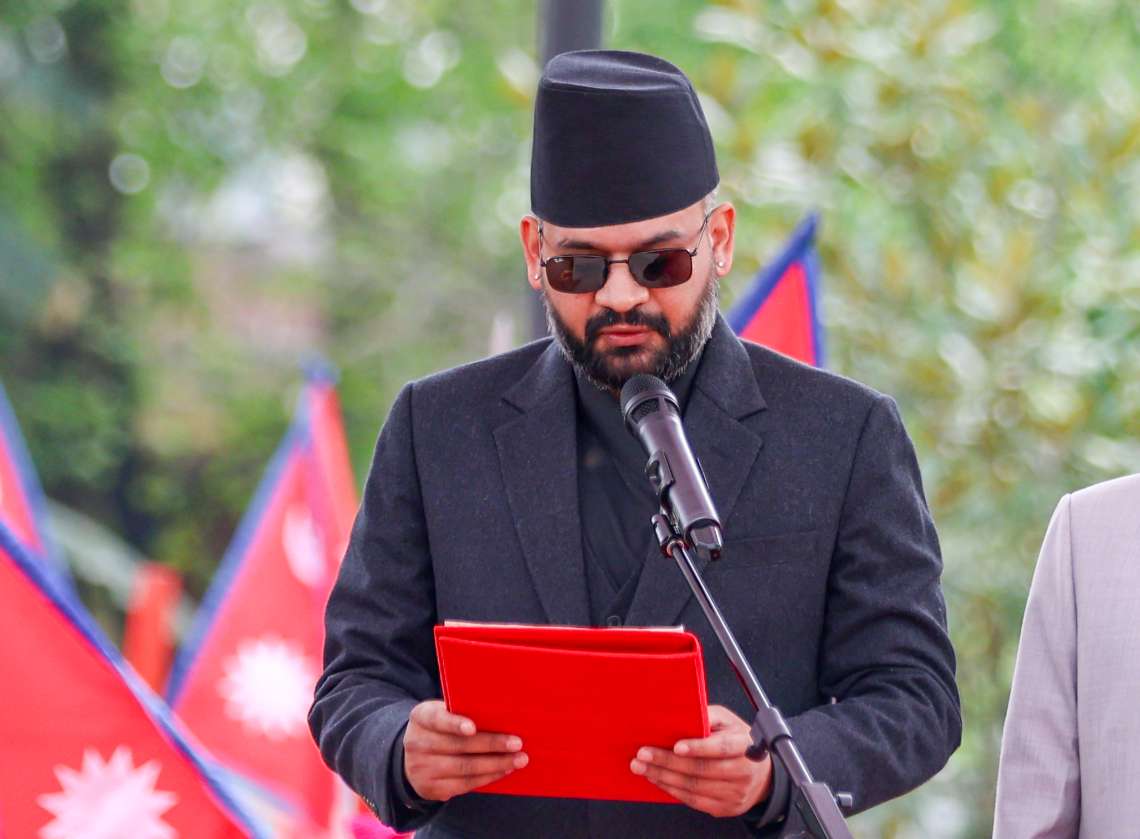
Nepal Prime Minister Balendra Shah, popularly known as Balen, has faced growing media scrutiny during his first four months in office over his largely reclusive style, with particular attention being drawn to his limited engagement with Parliament and President Ramchandra Paudel.
The questions surrounding Shah’s approach centre on whether his unconventional political style can be balanced with the constitutional expectations and responsibilities of a parliamentary democracy.
The Kathmandu Post on Thursday highlighted the issue in a report headlined “A Prime Minister who does not call on the President”, stating that Shah’s engagement with President Paudel had remained limited to formal occasions, with no substantive consultations taking place in his first four months in office.
According to the report, apart from official events such as the swearing-in ceremony and state functions, Shah has avoided direct meetings with the President.
It also pointed to major decisions, including Cabinet reshuffles, the summoning and prorogation of Parliament and the issuance of ordinances, saying these had moved forward without the traditional one-on-one briefings expected between the head of government and the head of state.
The report quoted unnamed officials at Sheetal Niwas, the official residence of the President, as viewing the conduct as a “clear noncompliance of established democratic practices”.
One official also expressed disappointment over the government’s failure to present the annual performance report of the Council of Ministers. The report noted that previous Prime Ministers had personally submitted the document to the President before it was forwarded to Parliament.
Shah’s engagement with Parliament has also come under scrutiny.
Earlier reports had highlighted his absence from key parliamentary sessions, including the first meeting of the House of Representatives in April and debates on government policy in May.
On July 14, Republica reported that Shah left the House of Representatives just 20 minutes after arriving to attend a meeting. He was reported to have walked out while President Paudel was presenting his government’s agenda.
An opinion article in The Himalayan Times in May described what it called “Balen’s politics of silence and absence” and questioned whether the approach was a good sign for the country.
The article said people were “further astonished” by the Prime Minister’s walkout from Parliament during the delivery of the annual plan and programme by President Paudel.
It stressed the importance of the Prime Minister being present during discussions on government plans and programmes in Parliament and said the Opposition’s demand for his presence had been ignored in a month-long schedule of parliamentary proceedings that did not include his participation.
Supporters of Balen, however, have argued that his approach is different from that of earlier Prime Ministers. According to them, while previous leaders spent long hours in Parliament and engaged in extensive political discussion, Balen is focused on “real work”.
The criticism, however, is that such supporters may be overlooking the fact that, in a parliamentary system, the Prime Minister’s presence during parliamentary proceedings is also a responsibility.
Balen’s reclusive style itself is not new. During the run-up to the March polls, he largely stayed away from mass rallies and public gatherings. His campaign relied heavily on social media and symbolic gestures rather than traditional political mobilisation.
At the time, many viewed his aloof style as an appeal among younger voters who were disillusioned with Nepal’s noisy political culture.
However, that same approach also risked alienating allies and others who expected more visible leadership. Much of Balen’s larger-than-life political image was built online, particularly through social media, and this style has continued into his premiership.
The difference now is that what once appeared to be a deliberate political strategy is increasingly being viewed, at least by critics, as possible disengagement from institutions.
The growing scrutiny reflects a central challenge for Shah: whether he can retain the unconventional political style that helped distinguish him from traditional leaders while also meeting the institutional responsibilities expected of a Prime Minister in a parliamentary democracy.