Rising oil prices, shipping disruptions and remittance risks threaten Bangladesh’s fragile economy as the Iran war sends shockwaves across global energy markets and migrant labour hubs, By India Daily News Network
Bangladesh could face a major economic shock as the ongoing conflict involving Iran disrupts global energy markets and trade routes, raising concerns about inflation, remittances and foreign exchange reserves, according to a report published by The Daily Star in Dhaka.
Economists cited in the report warn that the fallout from the war involving the United States and Israel could ripple through Bangladesh’s fragile economic structure, triggering rising fuel costs, trade disruptions and financial pressures that may strain the country’s already stressed economy.
The conflict, which escalated after military strikes on Iran, has pushed global oil prices sharply higher and unsettled shipping routes linking South Asia with the Gulf region, where millions of Bangladeshi migrant workers are employed.
Energy price surge raises alarm
One of the most immediate risks for Bangladesh stems from its heavy reliance on imported fuel. The country imports nearly all of its crude oil, refined petroleum and liquefied natural gas, making it highly vulnerable to volatility in global energy markets.
The benchmark Brent Crude Oil price has surged sharply since the outbreak of hostilities, jumping to around $88 per barrel after earlier touching a four-year high of $119, compared with roughly $72 per barrel before the conflict began.
According to the report, such price increases could dramatically inflate Bangladesh’s energy import bill, placing new pressure on government finances and the country’s foreign exchange reserves.
Zahid Hussain, former lead economist at the World Bank’s Dhaka office, warned that the economic shock could unfold through multiple channels simultaneously.
He told the newspaper that Bangladesh’s exposure to the crisis could emerge through three primary pathways: energy prices, pressure on the US dollar and disruptions in trade and finance.
Hussain described the potential impact of the conflict not as a temporary disruption but as something far more severe.
“He compared the potential shock of the war to an earthquake rather than a passing storm,” the report said.

Supply chain and shipping disruptions
The conflict is also affecting shipping routes linking South Asia with the Gulf. Several major shipping companies have reportedly suspended cargo bookings between the Indian subcontinent and Gulf ports amid growing security risks.
For Bangladesh, such disruptions could slow trade flows and increase logistics costs for exporters and importers alike.
Bangladesh’s economy relies heavily on exports, particularly garments, and any disruption to trade routes or rising transportation costs could weaken the competitiveness of its products in global markets.
At the same time, higher fuel prices would increase the cost of electricity generation, transportation and industrial production.
The government would then face a difficult choice: either absorb the cost through larger subsidies or pass the burden on to consumers through higher energy prices.
Both options carry significant economic consequences. Expanding subsidies could strain public finances, while higher fuel prices would increase the cost of living and business operations across the country.
Inflation and currency pressure
Bangladesh has already been grappling with persistently high inflation, and the energy shock could worsen the situation.
Fuel costs influence nearly every part of the economy, from agricultural irrigation and food production to transportation and supply chains.
As transport and logistics costs rise, prices of essential goods could increase further, squeezing household purchasing power and worsening inflationary pressures.
The country’s foreign exchange reserves could also face renewed strain.
Energy imports represent one of Bangladesh’s largest sources of foreign currency outflows. If oil prices remain elevated for a prolonged period, demand for US dollars could increase, weakening the Bangladeshi taka.
Currency depreciation would in turn make imports more expensive, amplifying inflation across the economy.
Migrant workers and remittances at risk
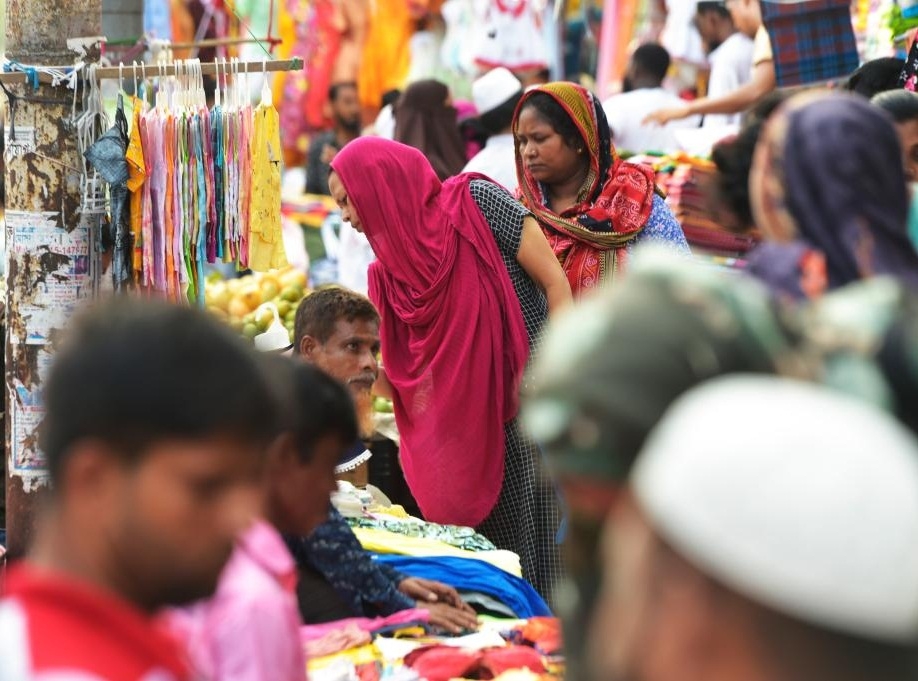
Another major vulnerability lies in Bangladesh’s large migrant workforce in the Middle East.
Remittances from overseas workers are a crucial pillar of the country’s economy, helping offset the large import bill and supporting millions of households.
Since fiscal year 2025, around 8.6 million Bangladeshi workers have gone abroad for employment, with nearly half working in Saudi Arabia and other Gulf economies.
If the conflict escalates and economic activity in the region slows, employment opportunities for migrant workers could be affected.
Even a moderate slowdown in remittances could significantly impact Bangladesh’s external balance, economists warn.
Remittance inflows have historically helped stabilise the country’s foreign exchange reserves and finance imports. Any disruption could therefore deepen economic pressures.
A fragile economic moment
The report suggests that Bangladesh’s economic vulnerability stems from the combined effects of energy dependence, external trade exposure and reliance on migrant remittances.
While the country has navigated global shocks in the past, economists say the current crisis could pose a particularly difficult challenge because multiple risks are emerging simultaneously.
If oil prices remain high, shipping routes remain disrupted and remittances weaken, Bangladesh could face a prolonged period of economic turbulence.