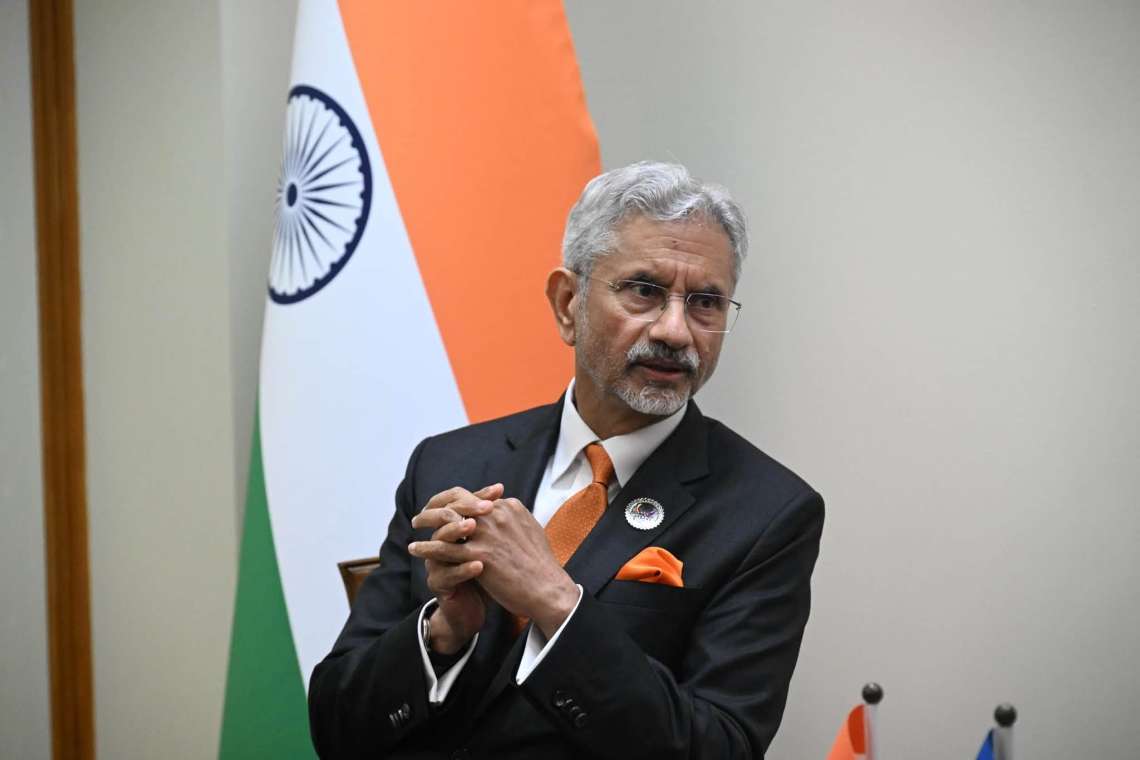
S Jaishankar also called for stronger cooperation on maritime security, cybercrime and disaster resilience….reports Asian Lite News Desk
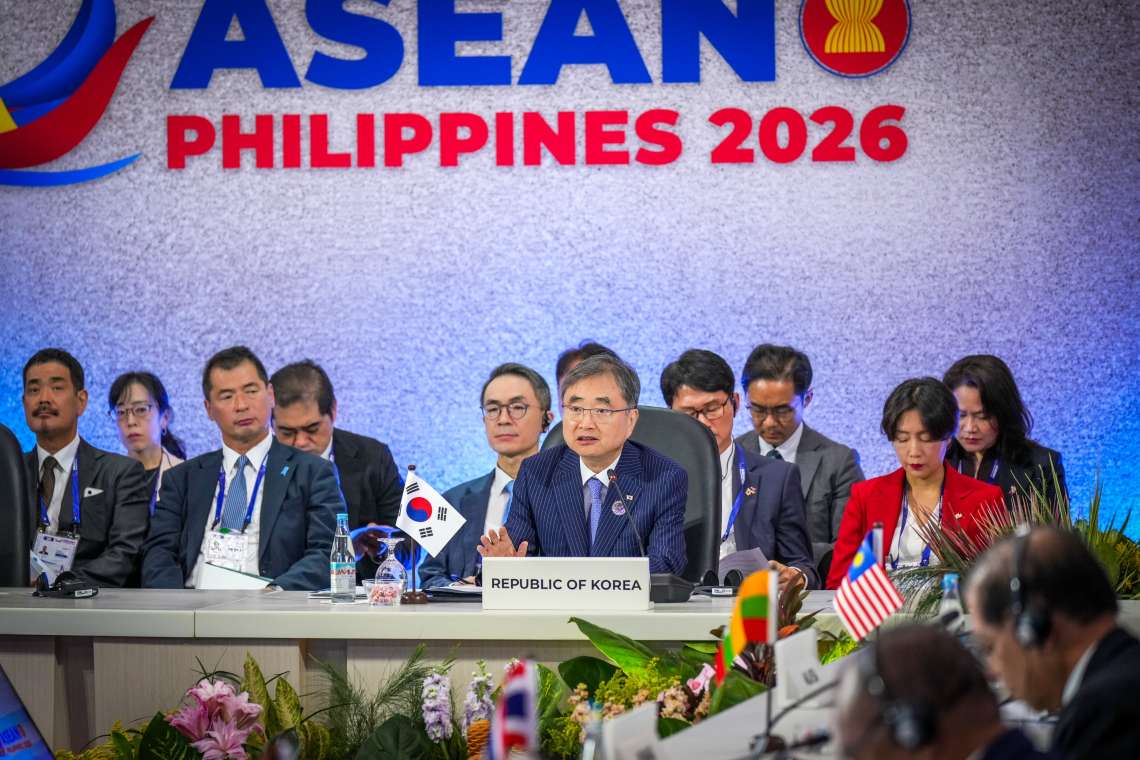
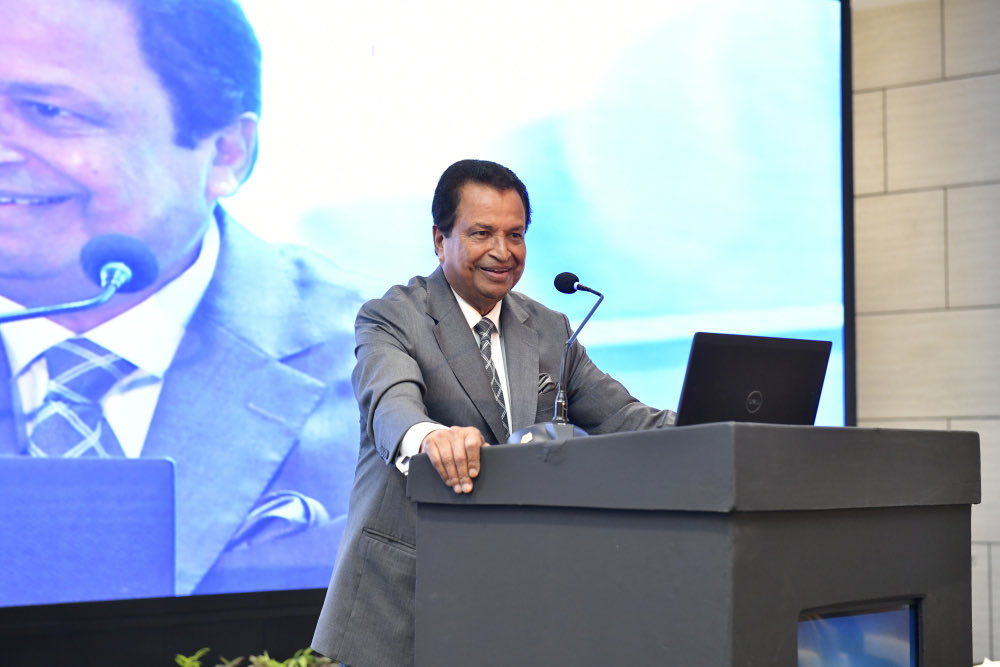
External Affairs Minister S Jaishankar on Thursday called for a zero-tolerance approach towards terrorism, asserting that acts of terror must have consequences, as he addressed the 33rd ASEAN Regional Forum (ARF) Ministerial Meeting in Manila.
Speaking at the regional security forum, Jaishankar urged countries to intensify efforts to disrupt terror financing, saying choking financial resources was essential to combating terrorism.
“There must be zero tolerance for terrorism. Nor should there be any doubt that acts of terrorism will have consequences,” Jaishankar said.
“We should prioritise choking the financial resources that fuel it. India co-chairs the EWG with Malaysia in ADMM+, taking the lead in producing a compendium of best practices,” he added.
In a post on X after the meeting, Jaishankar outlined key points from his address, describing the ASEAN Regional Forum as an important platform for addressing political and security challenges in an increasingly complex Indo-Pacific region.
He welcomed the adoption of the Manila Plan of Action, saying its five pillars align closely with India’s own vision for the Indo-Pacific.
On disaster management and humanitarian assistance, Jaishankar called for greater regional collaboration through the sharing of best practices, development of common standard operating procedures and regular real-time and table-top exercises.
He highlighted India’s contributions through initiatives such as the Coalition for Disaster Resilient Infrastructure, along with the deployment of field hospitals, search and rescue teams and relief materials during natural disasters.
Jaishankar said India had recently supported rehabilitation efforts following cyclones in Sri Lanka, the Philippines and Jamaica, as well as earthquakes in Myanmar, Venezuela and Afghanistan.
Addressing maritime security, the minister pointed to India’s role through the Information Fusion Centre, the Indo-Pacific Maritime Domain Awareness initiative and the deployment of Indian naval forces from the North Arabian Sea to the Western Pacific.

He said these initiatives contribute to tackling piracy, trafficking and narcotics smuggling while helping safeguard international maritime trade.
Jaishankar also stressed the need for the international community to remain vigilant against actions that undermine global non-proliferation and disarmament efforts.
Highlighting emerging security challenges, he advocated a responsible and human-centric approach to artificial intelligence and called for stronger international cooperation to combat cybercrime.
On maritime commerce, he said attacks on commercial shipping and civilian infrastructure were unacceptable and emphasised that international waterways must remain safe, secure and open for trade.
Referring to the South China Sea, Jaishankar said India looks forward to a “substantive, effective and legally binding” Code of Conduct that is fully consistent with the 1982 United Nations Convention on the Law of the Sea (UNCLOS) and does not prejudice the legitimate rights of all users.
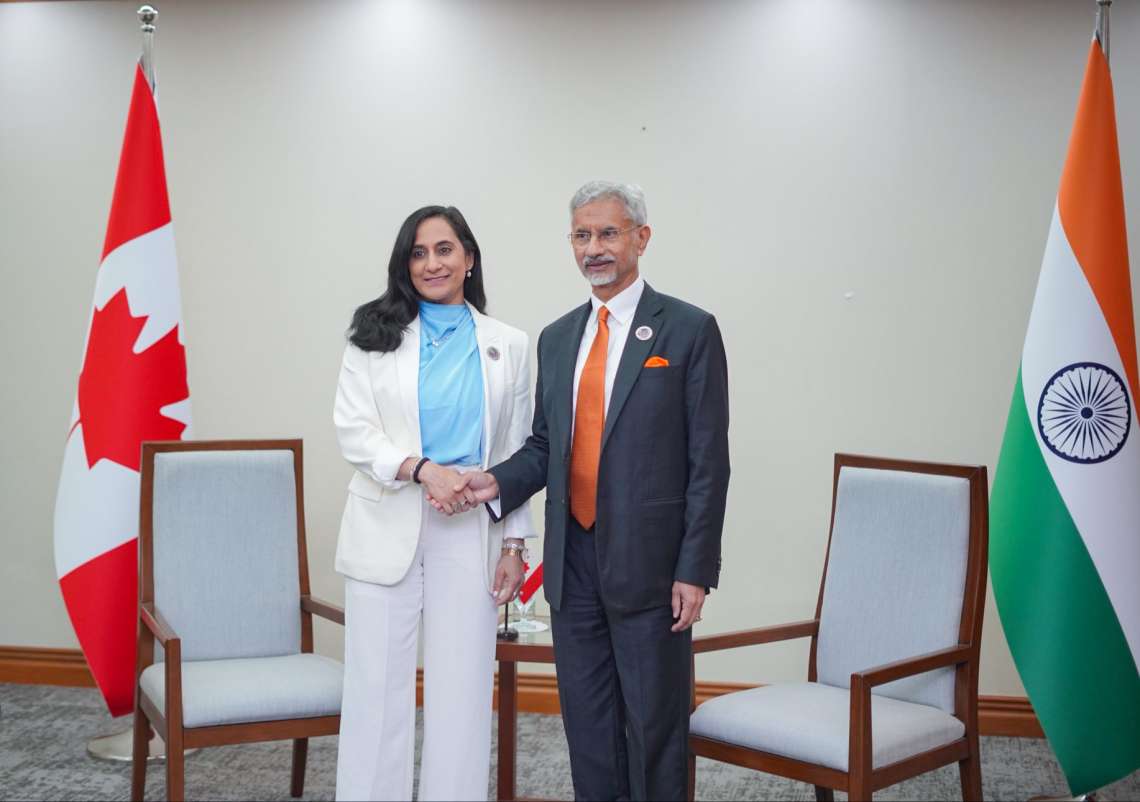
Jaishankar is on a two-day visit to Manila, where he attended the ASEAN-India Foreign Ministers’ Meeting, the East Asia Summit Foreign Ministers’ Meeting and the ASEAN Regional Forum.
He also participated in the Quad Foreign Ministers’ Meeting, where India, the United States, Japan and Australia reaffirmed their commitment to a free, open and inclusive Indo-Pacific and support for ASEAN centrality.