February 6, 2026
2 mins read

BoE leaves rates unchanged

The Bank of England has kept interest rates on hold at 3.75% after a closely split vote, underscoring deepening divisions among policymakers over when to begin cutting borrowing costs…reports Asian Lite News

The Bank of England held its benchmark interest rate steady at 3.75% at its first policy meeting of 2026, as policymakers remained divided over how soon to begin easing monetary policy amid persistent inflation pressures and uneven economic momentum.

The nine-member Monetary Policy Committee voted by a narrow margin of 5–4 to keep rates unchanged, a significantly closer split than the 7–2 decision expected by economists. Four members voted in favour of an immediate 25 basis-point cut, signalling growing concern within the committee about the outlook for growth and the risks of keeping policy too tight for too long.

Sterling weakened in response to the decision, slipping 0.6% against the dollar to trade at $1.356, reflecting market sensitivity to the finely balanced debate within the central bank. In its accompanying statement, the Bank said monetary policy was being calibrated to ensure inflation “not only reaches 2% but remains sustainably at that level in the medium term.” While it reiterated that interest rates are “likely to be reduced further,” it cautioned that decisions over easing were becoming “a closer call.”

The vote highlighted increasing divergence within the MPC as members weigh signs of easing inflation against evidence of resilient demand and continued wage pressures. Recent data have sent mixed signals, with some indicators pointing to slowing activity while others suggest the economy is proving more robust than previously anticipated.

Andrew Wishart, senior UK economist at Berenberg, said early 2026 data point to “stronger demand and stickier inflation” than earlier forecasts had assumed. He said this backdrop argues against an immediate move and has led Berenberg to push back its expectation for the first rate cut of the year to the Bank’s April 30 meeting. The firm now anticipates three 25 basis-point cuts over the course of 2026.

Edward Allenby, senior UK economist at Oxford Economics, also expects policy easing to resume but warned that the path is likely to be gradual. “The current bout of mild stagflation is likely to keep the committee divided on the timing of these future cuts,” he said. Allenby added that late April appears the most plausible window for the next reduction, assuming inflation continues to edge lower and growth remains subdued.

Other economists take a more dovish view. Dani Stoilova, UK and Europe economist at BNP Paribas Markets 360, said the Bank could move sooner if incoming data provide reassurance on inflation and pay growth. She expects a cut as early as March, though she cautioned that this could be followed by a prolonged pause, with interest rates eventually settling at a terminal level of 3% by mid-2027.

For now, the Bank appears content to wait for clearer evidence on inflation dynamics, wage growth and spare capacity in the economy. With the committee narrowly split and guidance emphasising data dependence, markets remain finely balanced over when the easing cycle will resume and how quickly rates might fall once it does.


Previous Story

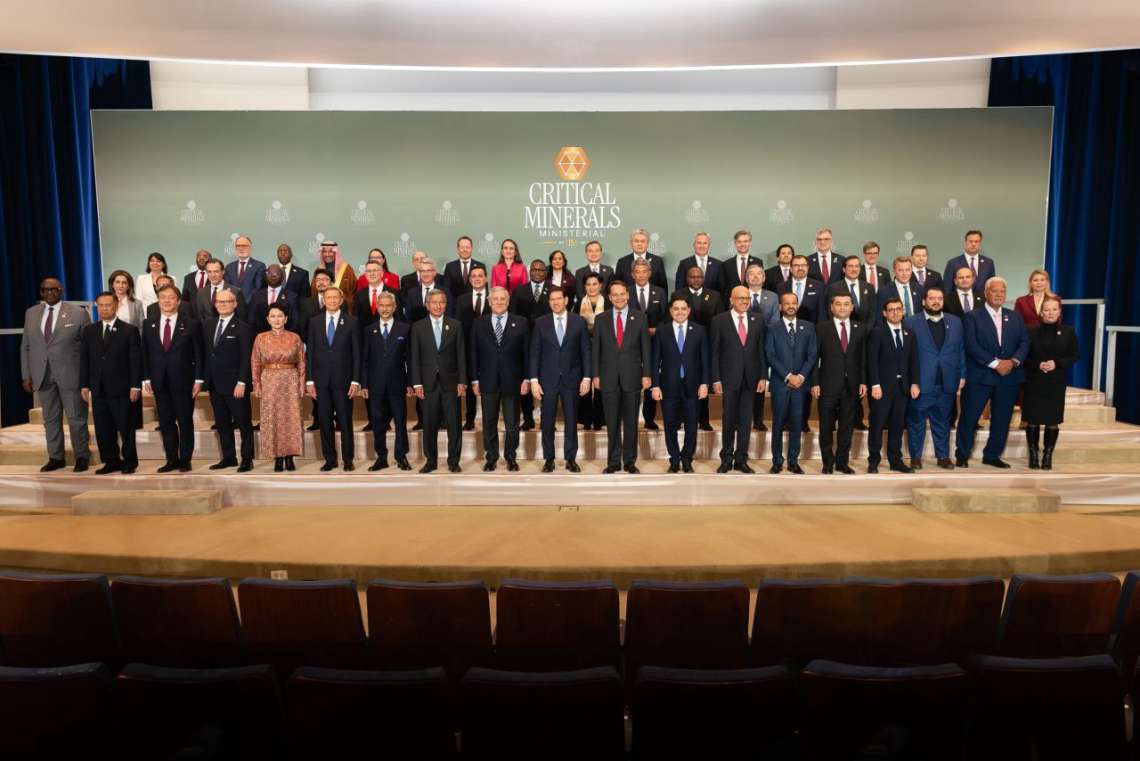
UK Strikes Minerals Deal with US

Next Story

CAA Seeks Air India’s Urgent Explanation     

Previous Story

UK Strikes Minerals Deal with US

Next Story

CAA Seeks Air India’s Urgent Explanation     

Latest from -Top News

Pakistan Risks Overstretching Itself in Yemen War

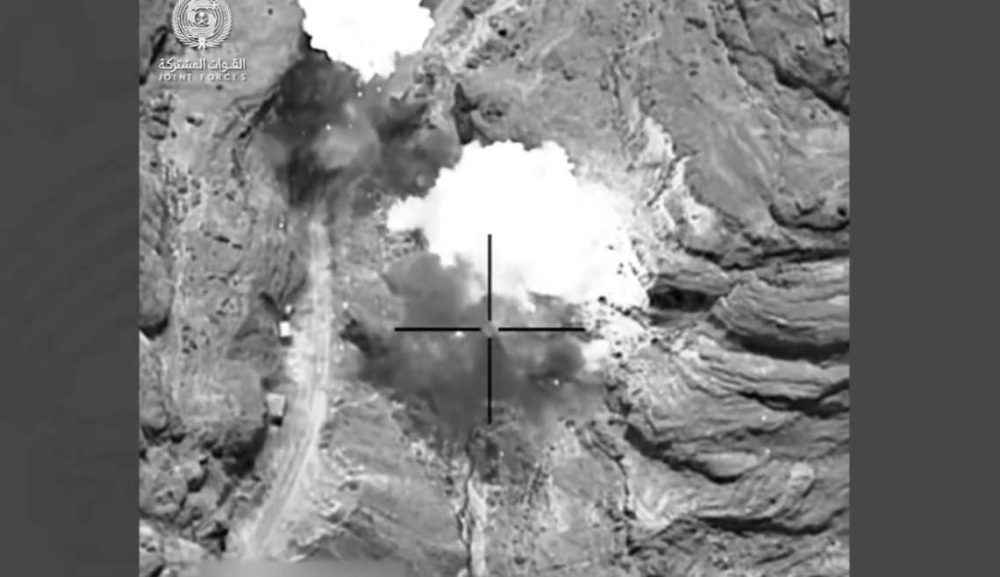
Pakistan’s expanding military role in Saudi Arabia amid the Yemen conflict could strain its defence resources and fragile finances…reports Asian Lite News Desk Pakistan’s military involvement in the war in Yemen may prove unsustainable because of mounting financial pressures and competing security demands, according to a new report. Islamabad’s growing military presence in Saudi Arabia risks stretching its defence resources while exposing the country to greater strategic and economic challenges. An article by Andrew Wilson in One World Outlook describes Pakistan’s involvement as a case of “fiscal and strategic overreach”, arguing that the country lacks the financial flexibility to sustain an expanded military commitment. Pakistan’s external finances depend heavily on an International Monetary Fund (IMF) programme, financial support from Gulf countries and remittances from Pakistani workers in the region. The report argues that deeper military involvement in the conflict could place additional pressure on these sources of financial stability. It also warns that deploying troops and military equipment abroad could weaken Pakistan’s capacity to address security challenges along its eastern border and deal with two domestic insurgencies. The move could also draw Islamabad into a conflict it has sought to approach cautiously. A Reuters report in May, citing Pakistani security and government sources, said Islamabad had deployed around 8,000 troops, a squadron of approximately 16 aircraft, mostly JF-17 fighter jets, two drone squadrons and a Chinese HQ-9 air-defence battery to Saudi Arabia. According to those sources, Riyadh was financing the deployment, with Pakistani personnel operating the equipment. The sources also said a confidential agreement contemplated the possibility of deploying up to 80,000 troops. Islamabad has not confirmed those figures, although it has acknowledged its military presence in Saudi Arabia, including the deployment of fighter jets at King Abdulaziz Air Base from April. The One World Outlook article argues that Saudi financial support can cover allowances and operating expenses but cannot easily replace military equipment needed elsewhere or resolve the political and strategic challenges of participating in the Yemen conflict. Pakistan’s defence budget is another concern. For the 2026-27 financial year, the federal government allocated PKR 3 trillion, or approximately $10.8 billion, to defence services. The allocation represents an 18 per cent increase from the original PKR 2.55 trillion provision and amounts to around 2.1 per cent of projected gross domestic product (GDP). Defence spending accounts for approximately 16 per cent of the federal government’s PKR 18.8 trillion expenditure. Military pensions are budgeted separately at PKR 822 billion, while debt servicing costs stand at approximately PKR 8 trillion, more than two-and-a-half times the defence allocation. The report argues that these competing financial obligations leave little room for additional military expenditure without placing further pressure on public finances. Pakistan’s reliance on IMF assistance also limits its fiscal flexibility. The country must meet the conditions attached to the programme, including a primary budget surplus target of 2 per cent of GDP and continued restraint on development spending. According to the article, these requirements make it difficult for Islamabad to finance an additional military commitment without compromising other budgetary priorities. Pakistan’s economic indicators offer limited reassurance. Economic growth for the 2025-26 financial year is estimated at between 3.6 and 3.7 per cent, while inflation reached approximately 10.3 per cent in September following an energy price shock. Foreign exchange reserves stood at around $21.5 billion at the end of September. Although this marks an improvement from the low levels recorded in 2023, the report notes that the reserves cover only a few months of imports. Financial assistance from Gulf partners remains central to Pakistan’s external stability. The article says Islamabad holds approximately $8 billion in Saudi deposits at its central bank. In July, the State Bank of Pakistan said Riyadh had extended the maturity of $5 billion in deposits to December 2028, easing the country’s immediate external financing requirements. A further $3 billion deposit was also extended in the spring. However, the article argues that these arrangements provide temporary relief rather than long-term financial independence, particularly as regional conflict threatens the stability of the Gulf economies on which Pakistan relies. The report concludes that Pakistan faces a difficult balance between supporting Saudi Arabia militarily and preserving the financial and military resources needed to address its domestic and regional challenges.
Go toTop

Don't Miss

Three Lions tame Croatia

Harry Kane scored twice and broke a World Cup record

Britain braces for blackouts

Under the government’s latest “reasonable worst-case scenario,” Britain could face