February 6, 2026
3 mins read

CAA Seeks Air India’s Urgent Explanation     

Aviation regulator has sought urgent answers from Air India after a Boeing 787 departed Heathrow despite a documented engine control anomaly, exposing a sharp divergence with India’s safety watchdog…reports Asian Lite News

The United Kingdom’s Civil Aviation Authority (CAA) has issued a formal notice to Air India seeking an urgent explanation over why a Boeing 787-8 Dreamliner was allowed to depart London Heathrow for Bengaluru despite a recorded technical anomaly during engine start procedures.

The intervention highlights a clear divergence between the UK regulator and India’s Directorate General of Civil Aviation (DGCA), which has largely accepted Air India’s internal assessment that the issue was procedural rather than mechanical. By contrast, the CAA has signalled a tougher stance, warning that failure to provide satisfactory answers could lead to regulatory action, potentially extending to the airline’s wider Dreamliner fleet.

The incident occurred on February 1 during pre-departure checks at Heathrow on flight AI-132. According to the documented account, the flight crew observed that the left engine’s Fuel Control Switch failed to lock into the “RUN” position during engine start. On two separate attempts, the switch reverted to the “CUTOFF” position when light pressure was applied. On the third attempt, the switch appeared to latch correctly and the crew proceeded with the long-haul flight to Bengaluru. The aircraft involved was registered as VT-ANX.

Following the flight, the aircraft was grounded in Bengaluru, where the DGCA conducted an investigation alongside Air India’s engineering team. The Indian regulator concluded that the incident did not stem from a mechanical defect. Instead, it attributed the problem to human error, stating that force had been applied in an “incorrect direction” because of the “angular base plate” of the switch, causing it to slip back to cutoff. On that basis, the DGCA directed Air India to focus on retraining crew in the “correct procedure” for operating the switch, and accepted that explanation as sufficient to address safety concerns.

The CAA has not accepted that conclusion. In a letter dated February 3, the regulator asked Air India to provide a detailed account of maintenance actions taken and a root-cause analysis explaining why the aircraft was considered airworthy for a cross-continental flight after the switch had failed to latch twice on the ground. The CAA has given the airline seven days to respond, warning that enforcement measures could follow if the response is deemed inadequate.

Air India has said it carried out a precautionary re-inspection of the Fuel Control Switch across all operational Boeing 787 aircraft in its fleet and found no issues. The airline has maintained that the system has been independently reviewed.

“We acknowledge the regulator’s proactive oversight in conducting independent inspections and subsequently clearing the FCS. The FCS has also been cleared by Boeing. Air India will fully adhere to the regulator’s guidance to circulate OEM-recommended operating procedures for the operation of the FCS to all crew members,” an airline spokesperson said.

The regulatory friction comes at a sensitive time for both Air India and Boeing. The safety of the Boeing 787’s fuel system has been under heightened scrutiny following the AI171 crash in June 2025, which claimed 260 lives. Preliminary findings in that investigation suggested that fuel supply was cut off shortly after takeoff, intensifying focus on fuel control mechanisms and the decisions taken when anomalies are detected.


Previous Story

BoE leaves rates unchanged

Next Story

UK: Plans unveiled to scrap two-tier councils

Previous Story

BoE leaves rates unchanged

Next Story

UK: Plans unveiled to scrap two-tier councils

Latest from -Top News

Pakistan Risks Overstretching Itself in Yemen War

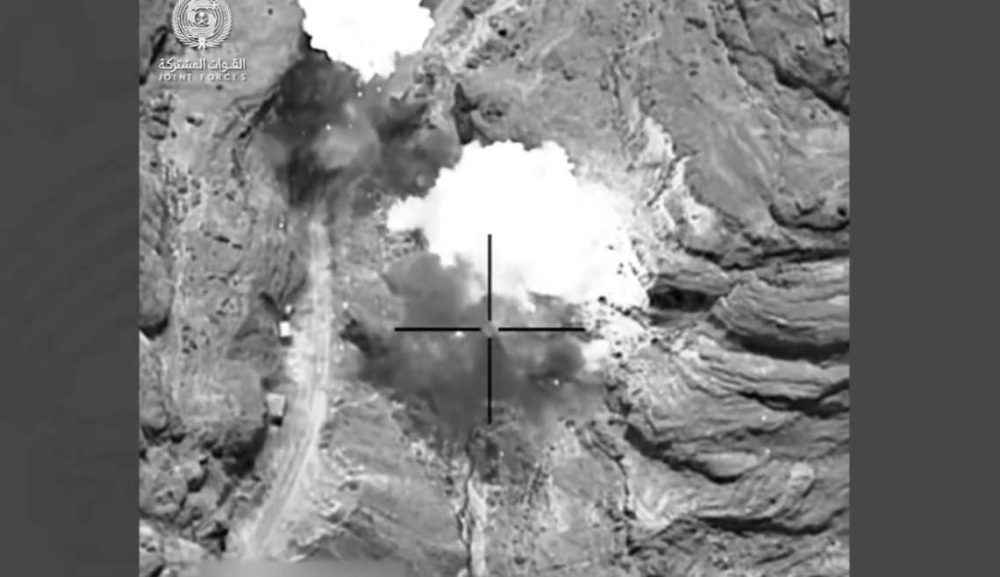
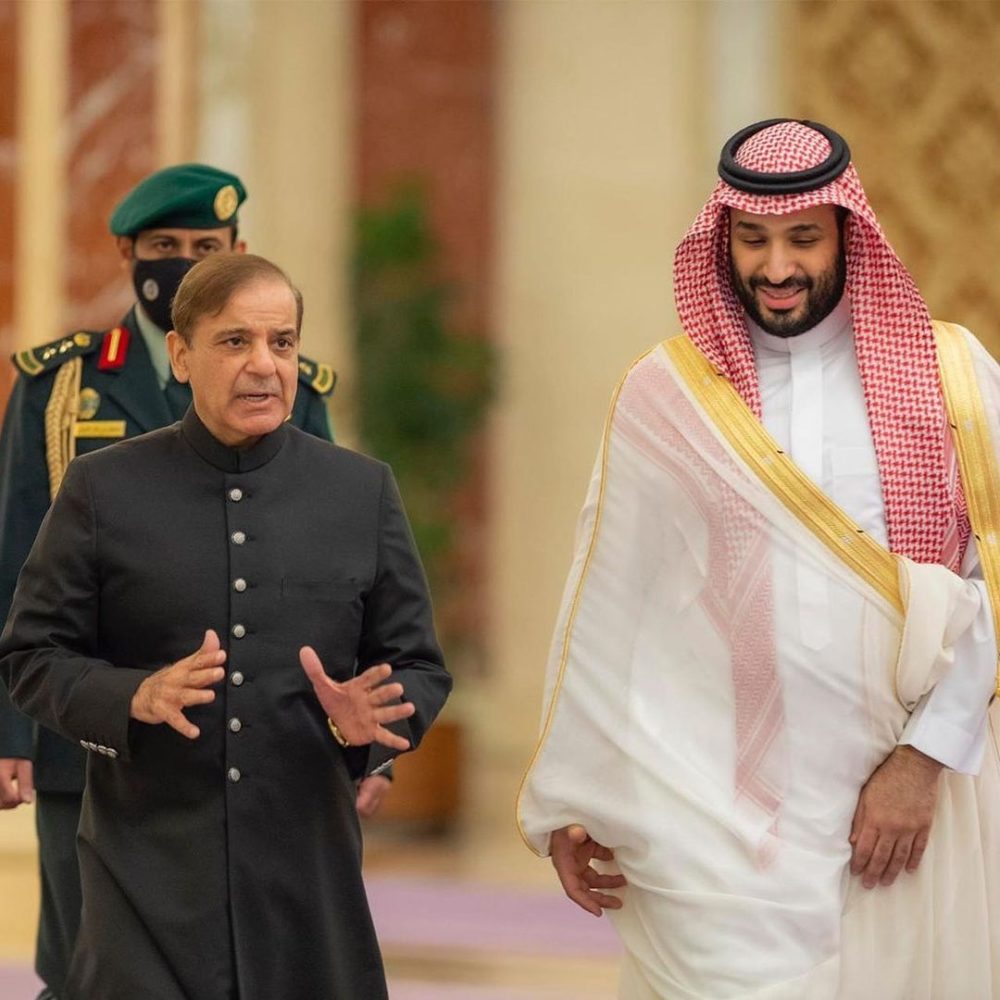
Pakistan’s expanding military role in Saudi Arabia amid the Yemen conflict could strain its defence resources and fragile finances…reports Asian Lite News Desk Pakistan’s military involvement in the war in Yemen may prove unsustainable because of mounting financial pressures and competing security demands, according to a new report. Islamabad’s growing military presence in Saudi Arabia risks stretching its defence resources while exposing the country to greater strategic and economic challenges. An article by Andrew Wilson in One World Outlook describes Pakistan’s involvement as a case of “fiscal and strategic overreach”, arguing that the country lacks the financial flexibility to sustain an expanded military commitment. Pakistan’s external finances depend heavily on an International Monetary Fund (IMF) programme, financial support from Gulf countries and remittances from Pakistani workers in the region. The report argues that deeper military involvement in the conflict could place additional pressure on these sources of financial stability. It also warns that deploying troops and military equipment abroad could weaken Pakistan’s capacity to address security challenges along its eastern border and deal with two domestic insurgencies. The move could also draw Islamabad into a conflict it has sought to approach cautiously. A Reuters report in May, citing Pakistani security and government sources, said Islamabad had deployed around 8,000 troops, a squadron of approximately 16 aircraft, mostly JF-17 fighter jets, two drone squadrons and a Chinese HQ-9 air-defence battery to Saudi Arabia. According to those sources, Riyadh was financing the deployment, with Pakistani personnel operating the equipment. The sources also said a confidential agreement contemplated the possibility of deploying up to 80,000 troops. Islamabad has not confirmed those figures, although it has acknowledged its military presence in Saudi Arabia, including the deployment of fighter jets at King Abdulaziz Air Base from April. The One World Outlook article argues that Saudi financial support can cover allowances and operating expenses but cannot easily replace military equipment needed elsewhere or resolve the political and strategic challenges of participating in the Yemen conflict. Pakistan’s defence budget is another concern. For the 2026-27 financial year, the federal government allocated PKR 3 trillion, or approximately $10.8 billion, to defence services. The allocation represents an 18 per cent increase from the original PKR 2.55 trillion provision and amounts to around 2.1 per cent of projected gross domestic product (GDP). Defence spending accounts for approximately 16 per cent of the federal government’s PKR 18.8 trillion expenditure. Military pensions are budgeted separately at PKR 822 billion, while debt servicing costs stand at approximately PKR 8 trillion, more than two-and-a-half times the defence allocation. The report argues that these competing financial obligations leave little room for additional military expenditure without placing further pressure on public finances. Pakistan’s reliance on IMF assistance also limits its fiscal flexibility. The country must meet the conditions attached to the programme, including a primary budget surplus target of 2 per cent of GDP and continued restraint on development spending. According to the article, these requirements make it difficult for Islamabad to finance an additional military commitment without compromising other budgetary priorities. Pakistan’s economic indicators offer limited reassurance. Economic growth for the 2025-26 financial year is estimated at between 3.6 and 3.7 per cent, while inflation reached approximately 10.3 per cent in September following an energy price shock. Foreign exchange reserves stood at around $21.5 billion at the end of September. Although this marks an improvement from the low levels recorded in 2023, the report notes that the reserves cover only a few months of imports. Financial assistance from Gulf partners remains central to Pakistan’s external stability. The article says Islamabad holds approximately $8 billion in Saudi deposits at its central bank. In July, the State Bank of Pakistan said Riyadh had extended the maturity of $5 billion in deposits to December 2028, easing the country’s immediate external financing requirements. A further $3 billion deposit was also extended in the spring. However, the article argues that these arrangements provide temporary relief rather than long-term financial independence, particularly as regional conflict threatens the stability of the Gulf economies on which Pakistan relies. The report concludes that Pakistan faces a difficult balance between supporting Saudi Arabia militarily and preserving the financial and military resources needed to address its domestic and regional challenges.
Go toTop

Don't Miss

Chinese diplomat involved in protester assault, alleges UK MP

Chinese Spokesman Wang Wenbin said people had “illegally entered” the

Indian diplomacy’s ace performance at Samarkand

Modi urged SCO to strive to develop reliable, resilient and