The Trump administration has warned that UK proposals to give established broadcasters greater visibility online could restrict freedom of expression…reports Asian Lite News Desk
The Trump administration has raised “serious concerns” about UK proposals to give established broadcasters greater prominence on digital platforms, warning that the measures could threaten freedom of expression and disadvantage independent journalism. The intervention, issued through the US embassy in London, challenges plans that could increase the visibility of organisations, including the BBC and ITV, on services such as YouTube.
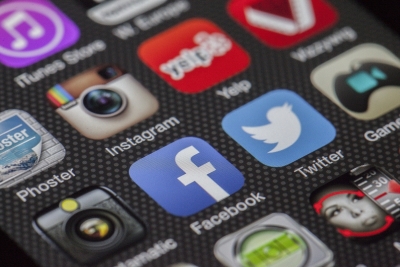
Ministers, regulators and public service broadcasters have argued that changes are needed to address misinformation as audiences increasingly turn to online platforms, including X, YouTube and TikTok. In a consultation this year, the government said it would consider legislation if platforms did not act to prioritise trustworthy content. Supporters also argue that greater prominence would help preserve culturally British programming.
Washington said the proposals could “establish a template that authoritarian regimes could invoke to justify more control over online content”. It warned that the measures could undermine “independent journalists” and amount to “extraterritorial censorship of protected speech by Americans online”.
“Preserving a free, open internet and protecting freedom of expression online are top priorities for the Trump administration,” it said. “A framework that empowers governments to influence which sources receive preferential visibility risks becoming a mechanism for viewpoint-based censorship. “If the UK compels platforms to boost government-preferred media in algorithmic feeds, the effect on a government-disfavoured speaker or media source’s reach is not meaningfully different than outright removal. The US government would likely consider such a measure as facilitating censorship.”
The administration has asked what safeguards would prevent “any biases and preferences of UK government officials and third-party organisations” from influencing the arrangements in ways that disadvantage “independent or minority-viewpoint journalism”. A spokesperson for the Department for Culture, Media and Sport said: “We welcome engagement and responses to our media green paper. We believe strongly in free expression and fair competition, and any action we take will ensure these are protected.”
People familiar with the plans say any measures would apply only in the UK. The US intervention adds an international dimension to the debate over how audiences encounter news and other content online. The dispute centres on whether giving established broadcasters preferential visibility would improve access to trusted information or unfairly reduce the reach of other voices.
Social media companies have questioned proposals to increase traditional broadcasters’ prominence, arguing that such measures conflict with the principle of user-generated content. Some online creators have compared the proposals to state control and said they fear their material would be pushed down platform rankings.