Pakistan has made only limited progress in increasing women’s participation in the workforce, with most working-age women still outside economic activity…reports Asian Lite News Desk
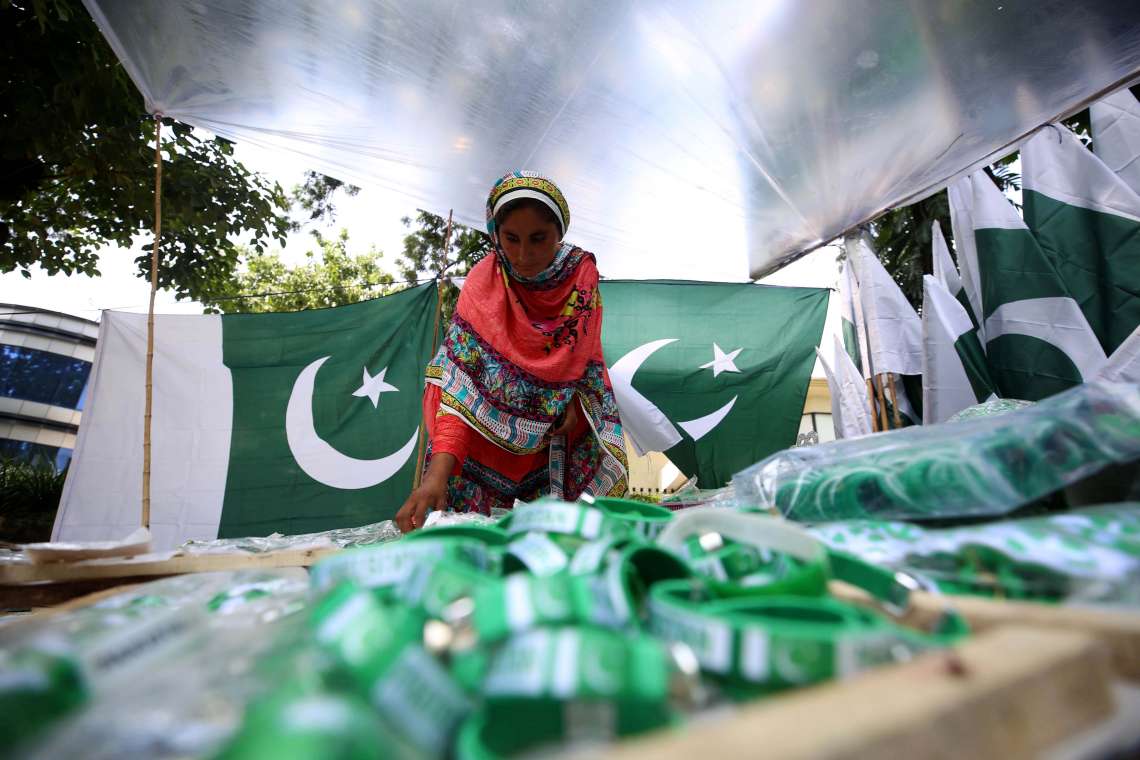
Pakistan continues to lag behind several South Asian and regional neighbours in women’s participation in the workforce, with only around 23 per cent of working-age women engaged in economic activity, according to a report.
The 2024-25 Labour Force Survey shows that little progress has been made over the past two decades. Female labour force participation increased from 14 per cent in 2001 to about 22 per cent in 2024, the report said.
According to an article published by Karachi-based The News International, Pakistan has about 88 million working-age women, of whom around 68 million remain outside the labour force.
The report highlighted a significant gap with several neighbouring countries. Female labour force participation stands at 40 per cent in Bangladesh, 54 per cent in Indonesia, 56 per cent in Malaysia and 33 per cent in Sri Lanka.
Women who are employed in Pakistan are also concentrated in a limited number of sectors. Nearly two-thirds work in agriculture, while about half of working women are unpaid family workers.
The report said wholesale, retail, transport and communications account for a significant share of Pakistan’s economy, but only around 2 to 3 per cent of women work in these sectors.
The News International article argued that cultural attitudes alone could not explain the low participation rate. It pointed to the increasing number of women pursuing university education, including in remote parts of the country, as evidence that other structural barriers are preventing them from entering the workforce.
“If families are willing to send daughters to university, the barrier is clearly not some immovable cultural wall. The real barrier is the absence of an ecosystem in which women can work and perform in economic activity,” the article said.
The report identified the limited expansion of Pakistan’s industrial base as one major factor. It contrasted the country’s experience with Bangladesh, where the textile industry has become a major source of employment for women.
Bangladesh’s garment sector has provided large numbers of women with opportunities in formal employment, while Malaysia’s manufacturing and services industries have similarly helped increase female workforce participation.
Another major challenge is mobility, according to the report. A lack of safe, reliable and affordable public transport limits the distance women can travel for employment and can force them to seek informal work closer to home.
The report also highlighted the role of government incentives in supporting women entrepreneurs. It cited Nepal, where measures including tax reductions for women-owned businesses, entrepreneurship funds and subsidised loans have encouraged more women to establish businesses.
However, the article identified unpaid domestic work as one of the biggest barriers to women’s participation in paid employment.
Estimates from the 2024 Labour Force Survey indicate that 84 per cent of working-age women undertake domestic work. Women spend an average of 26 hours a week on such work, compared with 13 hours for men, according to the report.
The figures challenge the perception that women outside the formal workforce are economically inactive, as many spend substantial amounts of time performing unpaid household responsibilities.
The report argued that creating jobs and expanding access to education and skills training would not be enough unless women also receive greater support to balance domestic responsibilities with paid employment.
It called for a broader approach that combines job creation, skills development, support for women-owned businesses, improved transport and measures to reduce the burden of unpaid domestic work.
Without such changes, the report warned, Pakistan could struggle to significantly increase women’s participation in the economy despite continued efforts to improve education and skills.