A Morgan Stanley spokesperson said: “We do not create offshore companies…. This process is independent of the firm and at the discretion and direction of the client.” …reports Asian Lite News.
Millions of leaked documents have uncovered financial secrets of 35 current and former world leaders, more than 330 politicians and public officials in 91 countries and territories, and a global lineup of fugitives, con artists and murderers, International Consortium of Investigative Journalists (ICIJ) said.
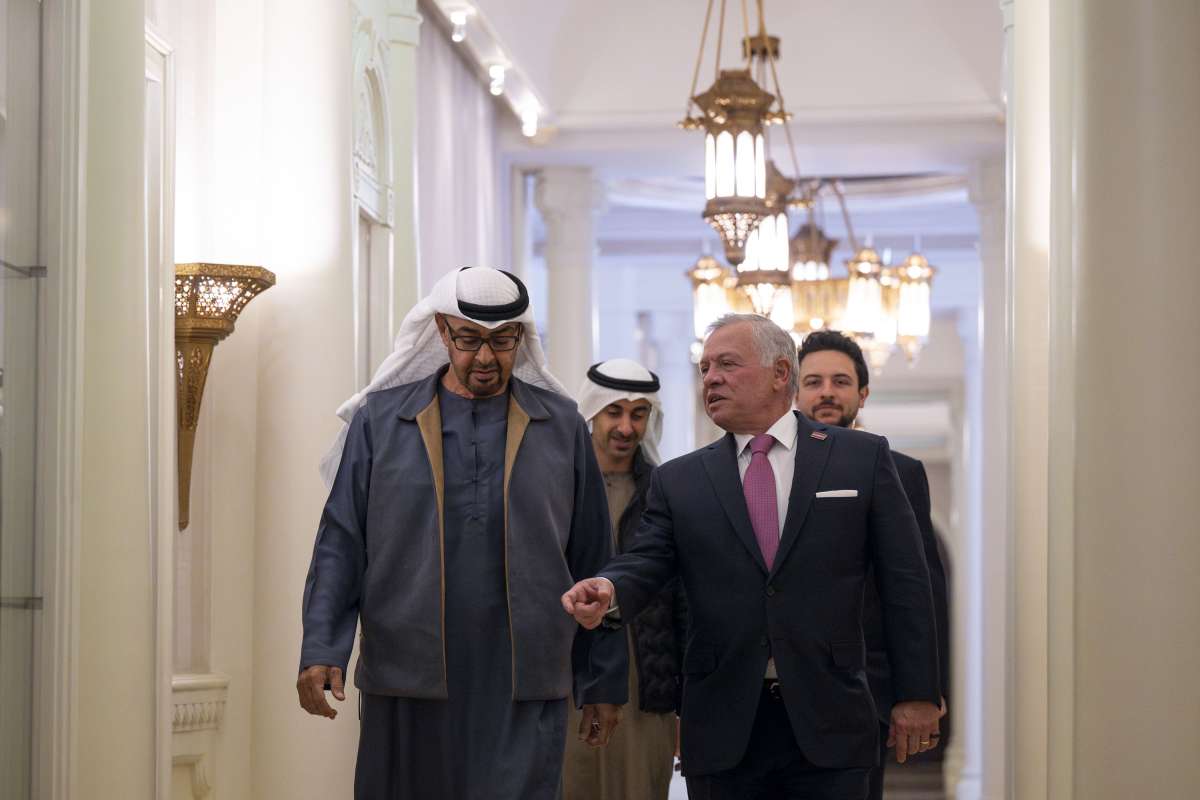
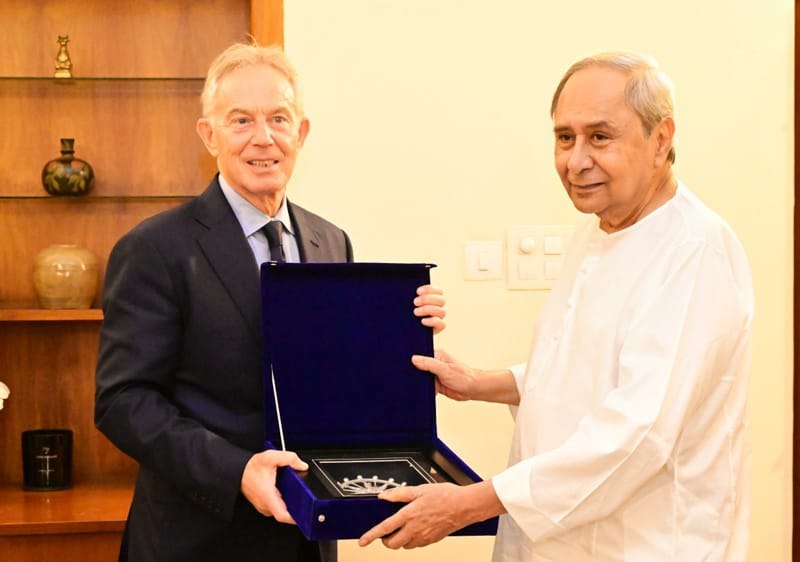
The secret documents expose offshore dealings of the King of Jordan, the presidents of Ukraine, Kenya and Ecuador, the prime minister of the Czech Republic and former British Prime Minister Tony Blair.
The files also detail financial activities of Russian President Vladimir Putin’s “unofficial minister of propaganda” and more than 130 billionaires from Russia, the United States, Turkey and other nations.
The leaked records reveal that many of the power players who could help bring an end to the offshore system instead benefit from it — stashing assets in covert companies and trusts while their governments do little to slow a global stream of illicit money that enriches criminals and impoverishes nations.
Among the hidden treasures revealed in the documents:
A $22 million chateau in the French Riviera — replete with a cinema and two swimming pools — purchased through offshore companies by the Czech Republic’s populist prime minister, a billionaire who has railed against the corruption of economic and political elites.
More than $13 million tucked in a secrecy-shaded trust in the Great Plains of the United States by a scion of one of Guatemala’s most powerful families, a dynasty that controls a soap and lipsticks conglomerate that’s been accused of harming workers and the earth.
Three beachfront mansions in Malibu purchased through three offshore companies for $68 million by the King of Jordan in the years after Jordanians filled the streets during Arab Spring to protest joblessness and corruption.
The secret records are known as the Pandora Papers.
The International Consortium of Investigative Journalists obtained the trove of more than 11.9 million confidential files and led a team of more than 600 journalists from 150 news outlets that spent two years sifting through them, tracking down hard-to-find sources and digging into court records and other public documents from dozens of countries.
The leaked records come from 14 offshore services firms from around the world that set up shell companies and other offshore nooks for clients often seeking to keep their financial activities in the shadows. The records include information about the dealings of nearly three times as many current and former country leaders as any previous leak of documents from offshore havens.
In an era of widening authoritarianism and inequality, the Pandora Papers investigation provides an unequaled perspective on how money and power operate in the 21st century — and how the rule of law has been bent and broken around the world by a system of financial secrecy enabled by the US and other wealthy nations.
The findings by ICIJ and its media partners spotlight how deeply secretive finance has infiltrated global politics — and offer insights into why governments and global organizations have made little headway in ending offshore financial abuses.
An ICIJ analysis of the secret documents identified 956 companies in offshore havens tied to 336 high-level politicians and public officials, including country leaders, cabinet ministers, ambassadors and others. More than two-thirds of those companies were set up in the British Virgin Islands, a jurisdiction long known as a key cog in the offshore system.
At least $11.3 trillion is held “offshore”, according to a 2020 study by the Paris-based Organization for Economic Cooperation and Development. Because of the complexity and secrecy of the offshore system, it’s not possible to know how much of that wealth is tied to tax evasion and other crimes and how much of it involves funds that come from legitimate sources and have been reported to proper authorities.

A document in the Pandora Papers shows that banks around the world helped their customers set up at least 3,926 offshore companies with the assistance of Aleman, Cordero, Galindo & Lee, a Panamanian law firm led by a former ambassador to the US. The document shows that the firm — also known as Alcogal — set up at least 312 companies in the British Virgin Islands for clients of the American financial services giant Morgan Stanley.
A Morgan Stanley spokesperson said: “We do not create offshore companies…. This process is independent of the firm and at the discretion and direction of the client.”
The Pandora Papers investigation also highlights how Baker McKenzie, the largest law firm in the US, helped create the modern offshore system and continues to be a mainstay of this shadow economy.
Baker McKenzie and its global affiliates have used their lobbying and legislation-drafting know-how to shape financial laws around the world. They have also profited from work done for people tied to fraud and corruption, reporting by ICIJ has found.
The people that the firm has done work for includes Ukrainian oligarch Ihor Kolomoisky, who US authorities allege laundered $5.5 billion through a tangle of shell companies, purchasing factories and commercial properties across the US heartland.
Baker McKenzie also did work for Jho Low, a now-fugitive financier accused by authorities in multiple countries of masterminding the embezzlement of more than $4.5 billion from a Malaysian economic development fund known as 1MDB. ICIJ’s reporting found that Low relied on Baker McKenzie and its affiliates to help him and his associates build a web of companies in Malaysia and Hong Kong. US authorities allege they used some of those companies to shift money looted from 1MDB.
The Pandora Papers investigation is larger and more global than even ICIJ’s landmark Panama Papers, which rocked the world in 2016, spawning police raids and new laws in dozens of countries and the fall of prime ministers in Iceland and Pakistan.
The Panama Papers came from the files of a single offshore services provider — the Panamanian law firm Mossack Fonseca. The Pandora Papers shine a light on a far wider cross-section of the lawyers and middlemen who are at the heart of the offshore industry.
The Pandora Papers provide more than twice as much information about the ownership of offshore companies. In all, the new leak of documents reveals the real owners of more than 29,000 offshore companies. The owners come from more than 200 countries and territories, with the largest contingents from Russia, the UK, Argentina and China.
ALSO READ-PANDORA GOES PANAMA WAY: Niyazi Faces Nawaz’s Fate