October 15, 2021
3 mins read

Abu Dhabi to showcase digital innovation ecosystem in healthcare

DoH will showcase its key achievements pertaining to Abu Dhabi’s world-class response to the COVID-19 pandemic by highlighting the latest technologies and innovations, reports Asian Lite News

The Department of Health – Abu Dhabi (DoH), the regulator of the healthcare sector in the emirate of Abu Dhabi, is set to showcase Abu Dhabi’s digital innovation ecosystem in healthcare through a line-up of its latest digital initiatives and technological innovations at GITEX Technology Week 2021 – which will be taking place at the Dubai World Trade Centre from the 17th to the 21st of October, 2021.

As part of its participation at GITEX, DoH will showcase its key achievements pertaining to Abu Dhabi’s world-class response to the COVID-19 pandemic by highlighting the latest technologies and innovations that were utilised to enhance the accessibility and efficiency of the healthcare sector during the global health crisis.

Furthermore, through its participation, DoH will demonstrate the emirate’s dedication to ensuring healthcare preparedness for the future by placing a keen focus on the development of digital competencies and innovations.

Dr. Jamal Al Kaabi, Undersecretary of DoH, said: “Guided by the forward-looking vision of our wise leadership, the UAE has come a long way in adopting the latest technologies and positioning itself as a global hub for technology and innovation and a leader in the smart transformation process.”

Al Kaabi continued: “Core to our mission is creating a robust innovation ecosystem that provides HealthTech start-ups with the support they need to thrive in addition to facilitating key partnerships with local and international entities. We are investing in new technologies such as AI and ecosystem technologies to further achieve DoH’s mission of providing world-class medical services to all members of the community.”

As part of its participation at GITEX, DoH aims to strengthen partnerships with local and global organisations by forging agreements that will open doors for greater collaboration and contribute to establishing Abu Dhabi as a healthcare hub and a medical destination that is favoured by patients from around the world. Underscoring its commitment to providing the right policies and regulatory practices to encourage innovation, DoH will also highlight key investment opportunities in the emirate’s healthcare sector.

ALSO READ: DCT Abu Dhabi updated Green List countries

DoH will also present a number of key projects and initiatives including the Certification of Need project, the Atherosclerotic Cardiovascular Disease (ASCVD) Impact Management Simulator, the Health Licensing System, the Drones Delivery System Project, and the Innovation Ecosystem Support project.
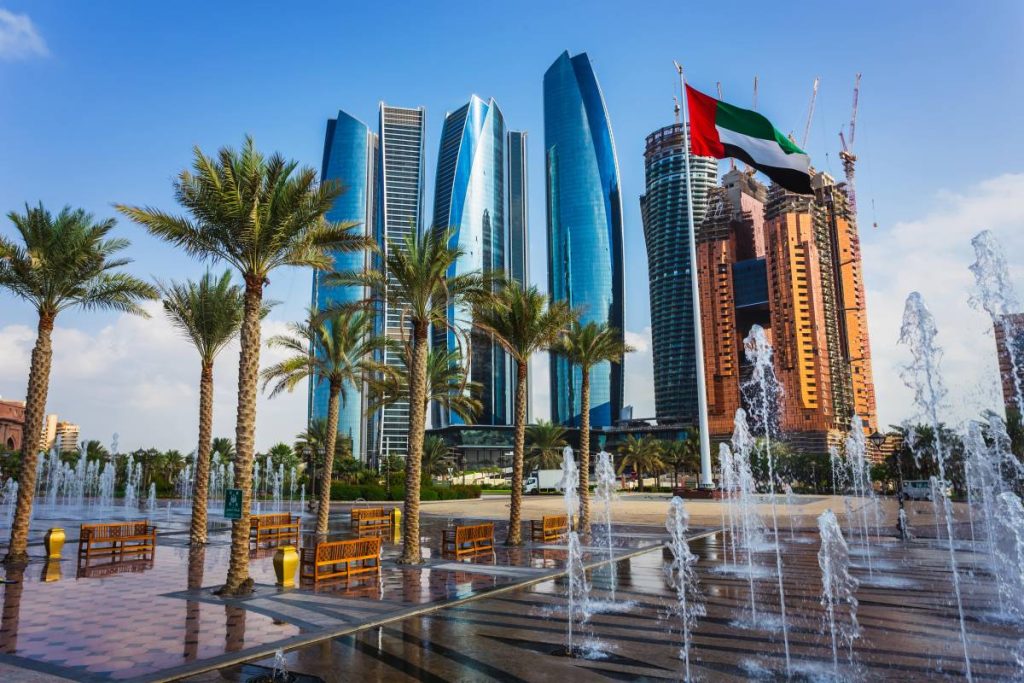
Abu Dhabi

Each project facilitates different services that will contribute to improving the healthcare system. The Certification of Need system is based on modern tools that help instantly recognisee supply and demand needs based on forward-looking data sets linked directly to the licensing and capacity management system in the Health Planning Sector.

The ASCVD Disease Impact Management Simulator (DIMS) is built on local data that will support DoH in optimising resource allocation and prioritising the deployment of needed initiatives. The Health Licensing System was revamped last June 2020 and introduced innovative solutions for users in a time where simplicity, accuracy and instant delivery of services is of utmost importance to the healthcare system.

On the other hand, with a planned launch in 2022, the Drones Delivery System project will use drones placed throughout 40 stations to create a state-of-the-art delivery system and network.

This project is the result of a meaningful collaboration between DoH, the General Civil Aviation Authority (GCAA), SkyGo and Matternet, and will leverage existing advanced infrastructure to transform healthcare logistics.

HealthTech Accelerator Programme provides support to health tech startups by ensuring a flexible and innovative ecosystem that will help accelerate the implementing of technology in the healthcare services in Abu Dhabi.

As part of its efforts to support promising and outstanding startups, DoH is set to introduce four startups that provide innovative solutions to the gaps in healthcare services and contribute to the acceleration of DoH strategic goals of improving Abu Dhabi’s healthcare system.

GITEX Technology Week 2021 is one of the biggest technology events in the world. It brings together the world’s technology leaders, enterprises and startups to showcase the latest innovations and digital projects and initiatives that are set to redefine the future of every business and every industry.

Previous Story

Sierra Leone celebrates National Day at Expo

Next Story

UAE wins UNHRC membership for third time

Previous Story

Sierra Leone celebrates National Day at Expo

Next Story

UAE wins UNHRC membership for third time

Latest from -Top News

Pakistan Risks Overstretching Itself in Yemen War

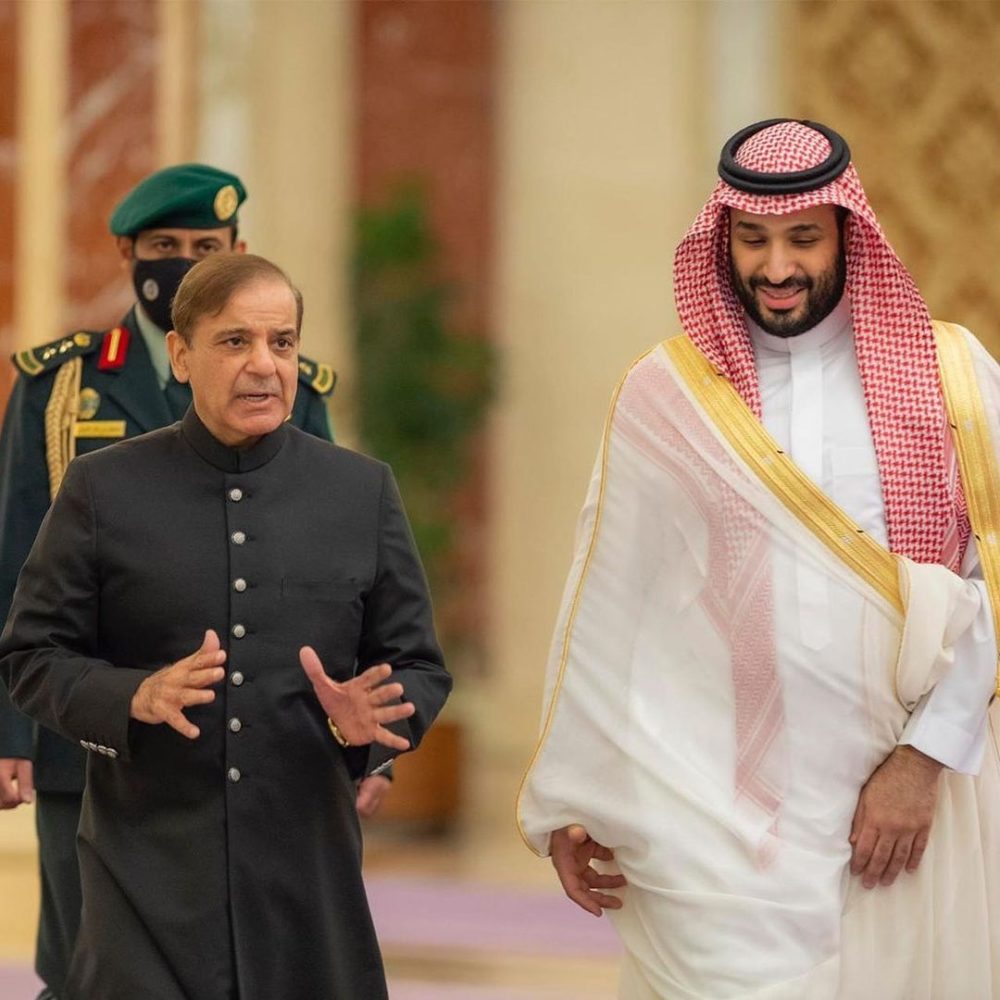
Pakistan’s expanding military role in Saudi Arabia amid the Yemen conflict could strain its defence resources and fragile finances…reports Asian Lite News Desk Pakistan’s military involvement in the war in Yemen may prove unsustainable because of mounting financial pressures and competing security demands, according to a new report. Islamabad’s growing military presence in Saudi Arabia risks stretching its defence resources while exposing the country to greater strategic and economic challenges. An article by Andrew Wilson in One World Outlook describes Pakistan’s involvement as a case of “fiscal and strategic overreach”, arguing that the country lacks the financial flexibility to sustain an expanded military commitment. Pakistan’s external finances depend heavily on an International Monetary Fund (IMF) programme, financial support from Gulf countries and remittances from Pakistani workers in the region. The report argues that deeper military involvement in the conflict could place additional pressure on these sources of financial stability. It also warns that deploying troops and military equipment abroad could weaken Pakistan’s capacity to address security challenges along its eastern border and deal with two domestic insurgencies. The move could also draw Islamabad into a conflict it has sought to approach cautiously. A Reuters report in May, citing Pakistani security and government sources, said Islamabad had deployed around 8,000 troops, a squadron of approximately 16 aircraft, mostly JF-17 fighter jets, two drone squadrons and a Chinese HQ-9 air-defence battery to Saudi Arabia. According to those sources, Riyadh was financing the deployment, with Pakistani personnel operating the equipment. The sources also said a confidential agreement contemplated the possibility of deploying up to 80,000 troops. Islamabad has not confirmed those figures, although it has acknowledged its military presence in Saudi Arabia, including the deployment of fighter jets at King Abdulaziz Air Base from April. The One World Outlook article argues that Saudi financial support can cover allowances and operating expenses but cannot easily replace military equipment needed elsewhere or resolve the political and strategic challenges of participating in the Yemen conflict. Pakistan’s defence budget is another concern. For the 2026-27 financial year, the federal government allocated PKR 3 trillion, or approximately $10.8 billion, to defence services. The allocation represents an 18 per cent increase from the original PKR 2.55 trillion provision and amounts to around 2.1 per cent of projected gross domestic product (GDP). Defence spending accounts for approximately 16 per cent of the federal government’s PKR 18.8 trillion expenditure. Military pensions are budgeted separately at PKR 822 billion, while debt servicing costs stand at approximately PKR 8 trillion, more than two-and-a-half times the defence allocation. The report argues that these competing financial obligations leave little room for additional military expenditure without placing further pressure on public finances. Pakistan’s reliance on IMF assistance also limits its fiscal flexibility. The country must meet the conditions attached to the programme, including a primary budget surplus target of 2 per cent of GDP and continued restraint on development spending. According to the article, these requirements make it difficult for Islamabad to finance an additional military commitment without compromising other budgetary priorities. Pakistan’s economic indicators offer limited reassurance. Economic growth for the 2025-26 financial year is estimated at between 3.6 and 3.7 per cent, while inflation reached approximately 10.3 per cent in September following an energy price shock. Foreign exchange reserves stood at around $21.5 billion at the end of September. Although this marks an improvement from the low levels recorded in 2023, the report notes that the reserves cover only a few months of imports. Financial assistance from Gulf partners remains central to Pakistan’s external stability. The article says Islamabad holds approximately $8 billion in Saudi deposits at its central bank. In July, the State Bank of Pakistan said Riyadh had extended the maturity of $5 billion in deposits to December 2028, easing the country’s immediate external financing requirements. A further $3 billion deposit was also extended in the spring. However, the article argues that these arrangements provide temporary relief rather than long-term financial independence, particularly as regional conflict threatens the stability of the Gulf economies on which Pakistan relies. The report concludes that Pakistan faces a difficult balance between supporting Saudi Arabia militarily and preserving the financial and military resources needed to address its domestic and regional challenges.
Go toTop

Don't Miss

Sultan bin Khalifa receives President of Sierra Leone

H.H. Dr. Sheikh Sultan bin Khalifa Al Nahyan, Adviser to

Expand Summit to attract venture capitalists for financing start-ups

The summit will witness the largest gathering of VCs and