Social media is now buzzing with accusations of another US war crime with another alleged extrajudicial killing…reports Asian Lite News
The US drone strike killing one of the most dreaded terrorists, Al Qaeda leader Ayman al-Zawahiri, in a residential neighbourhood in Kabul is a watershed moment in history at a time when the Taliban, a year after seizing power from a democratically elected government, are still struggling to establish international legitimacy and recognition. They may not wish to endanger any fragile progress.
The US and other Western powers have also been trapped in a bind: How do they help the people of Afghanistan, mired in a deepening humanitarian crisis, when many Taliban leaders are still under US terrorism sanctions, the BBC said in an analysis of the drone strike and its impact on the peace process in Kabul and rest of the world.
American interests in this region also include the fight against extremist groups like Islamic State, an enemy they share with the Taliban. The Taliban have been walking a political high wire ever since they took charge in Kabul, the BBC said.
How do they maintain their standing in the global jihadi community, including their long-standing relations with Al Qaeda? Social media is now buzzing with accusations of another US war crime with another alleged extrajudicial killing, the report said.
How do they complete their transformation from an insurgency to an internationally respected government but still keep their ultra-conservative credentials? That high wire is now wobbling. The world is watching, the BBC reported.
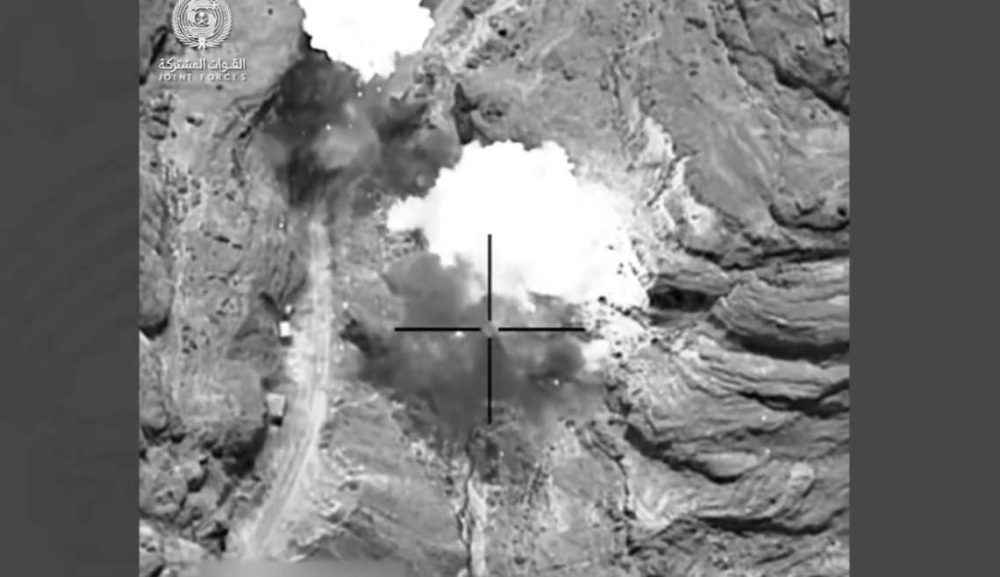
The BBC also showed pictures of the actual location of the building in Kabul where Zawahiri was taken out. It was draped in green plastic sheets to avoid being detected. The first signs of an operation, months in the making, erupted when an attack rocked the centre of Kabul in the early hours of Sunday morning: “We heard two thunderous blasts on our street nearby”, reported the BBC correspondent.
Speculation swirled around who or what had hit this “empty house” in Sherpur.
It is a neighborhood which became notorious over the past two decades for its garish multi-storey villas, mocked by Kabul residents as the stronghold of corrupt warlords and officials, a gaudy symbol of the spoils of an ugly war. Kabulis called it Choorpur, the town of thieves. The Taliban took over some of the empty villas, close to some high-walled Western embassies, which also slammed shut when the Taliban took charge, the BBC reported.
With every passing day, new pieces of this puzzle surfaced: Of a possible strike on an Islamic State target; the use of a US drone which raised even more questions; the involvement of US forces on the ground. The mystery ended early on Tuesday morning, the report said.
“As Kabul woke to the news that the US has killed Al Qaeda leader Ayman al-Zawahiri in a drone strike, we tried to approach the area on a main road leading into the street threading past Spinney’s luxury supermarket and the Afghan Ghazanfar bank,” Lyce Doucet, chief international correspondent of the BBC, reported.
“A single Taliban guard angrily crossed his arms to warn us away. From a side street, we reached the back of the villa on foot. Guards and workers in adjacent buildings confirmed which house had been hit on Sunday; balconies protruding from the top floor were now covered with green plastic sheeting. Has anyone seen any activity, any residents, at this place,” she reported.
“The house was empty”, was the refrain. Was this a reply rehearsed in advance, an echo of the Taliban’s official statement? Owners of nearby buildings told us they had been ordered, hours earlier, to shut their rooftops to everyone, even their own workers. As the news of Zawahiri’s killing shot like an electric current through social media, the scene of this explosive moment seemed strangely quiet, the BBC reported.
As minutes ticked by, more journalists arrived, more passers-by stopped, more Taliban guards showed up.
Now there are many questions, conspiracies and a range of possible consequences, the report said.
The death of Ayman al-Zawahiri, a top target on America’s wanted list, had been reported many times before, including last year when he was said to have died of illness.
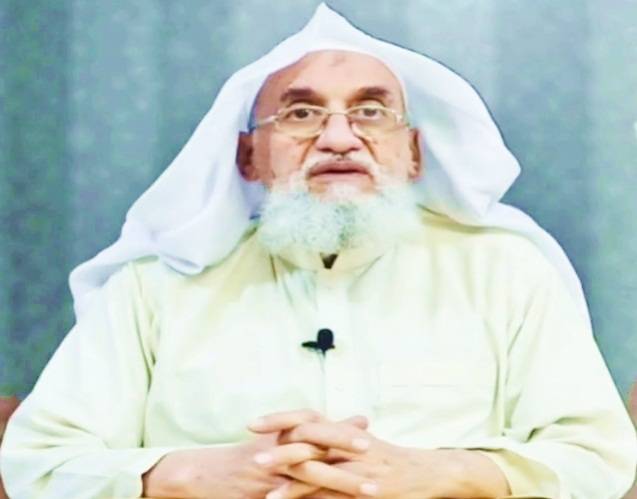
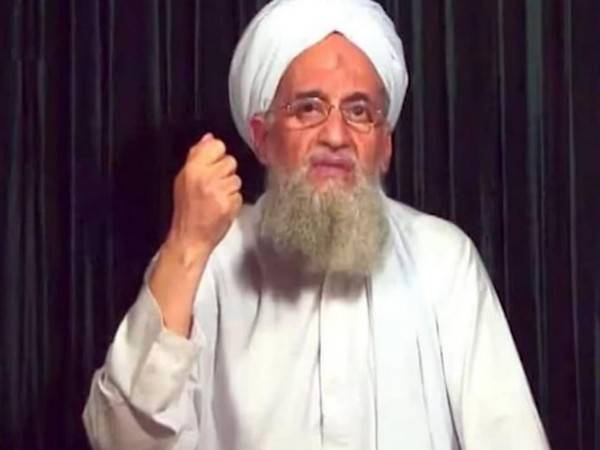
Zawahiri was Qaeda’s most prominent spokesman and ideologue. If he was alive, he was said to be a recluse in the rugged terrain along Afghan-Pakistan border. But now it emerges that he was a guest of the Taliban leadership, living in that villa smack in the centre of Kabul and said to belong to Sirajuddin Haqqani, the acting Taliban interior minister, who is under US terrorism sanctions, the BBC reported.
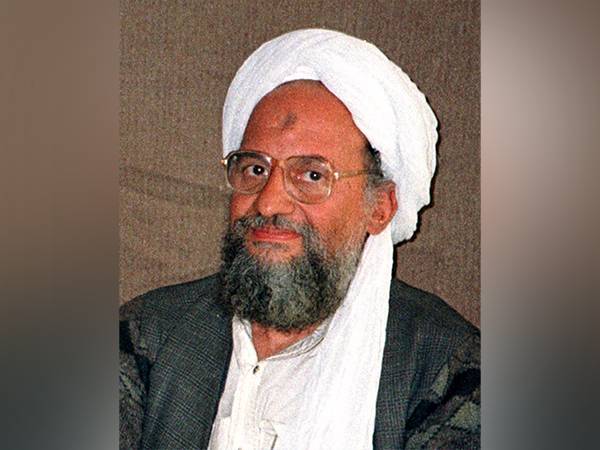
There is an echo of the 2011 US killing of Zawahiri’s brother-in-arms, Osama Bin Laden, who had been hiding in plain sight at a villa in the Pakistani city of Abbottabad, down the street from a military academy. There is an echo too of the Taliban’s rejoinder to the US after the 9/11 attacks that Bin Laden had only been their honoured guest, in Afghan Pashtun tradition, the report said.
The 2020 US-Taliban deal, signed after nearly two years of tortuous negotiations in Qatar, was meant to sort out this crucial question. During the talks, it was repeatedly said that the Taliban commitment to not allow Afghanistan to be a safe haven again would be spelled out clearly, in black and white. But the deal which emerged, with secret annexes, was not so clearcut. The Taliban vowed to prevent any attacks on US soil from their territory, the BBC reported.
But they never explicitly agreed to sever ties with their fellow jihadis, including Zawahiri, who, like other Qaeda leaders, had sworn allegiance to the Taliban leader, or emir, Haibatullah Akhundzada.
Since the Taliban swept into Kabul on August 15 last year, there have been repeated and credible reports of Qaeda fighters crossing the Pakistan border into Afghanistan but there have also been repeated Taliban pledges to fight against terrorism, the BBC reported.
The Taliban also accuse the US of violating their deal in their attack against a residential neighbourhood of Kabul. A statement from a Taliban spokesman warned that “repeating such actions will damage the existing opportunities”, the report concluded.