May 8, 2024
3 mins read

EU explores alternatives amid stalled FTA talks with GCC

The Commissioner explained that the EU already has 70 trade agreements with global partners and is keen on forging all kinds of international agreements, in particular trade agreements….reports Asian Lite News

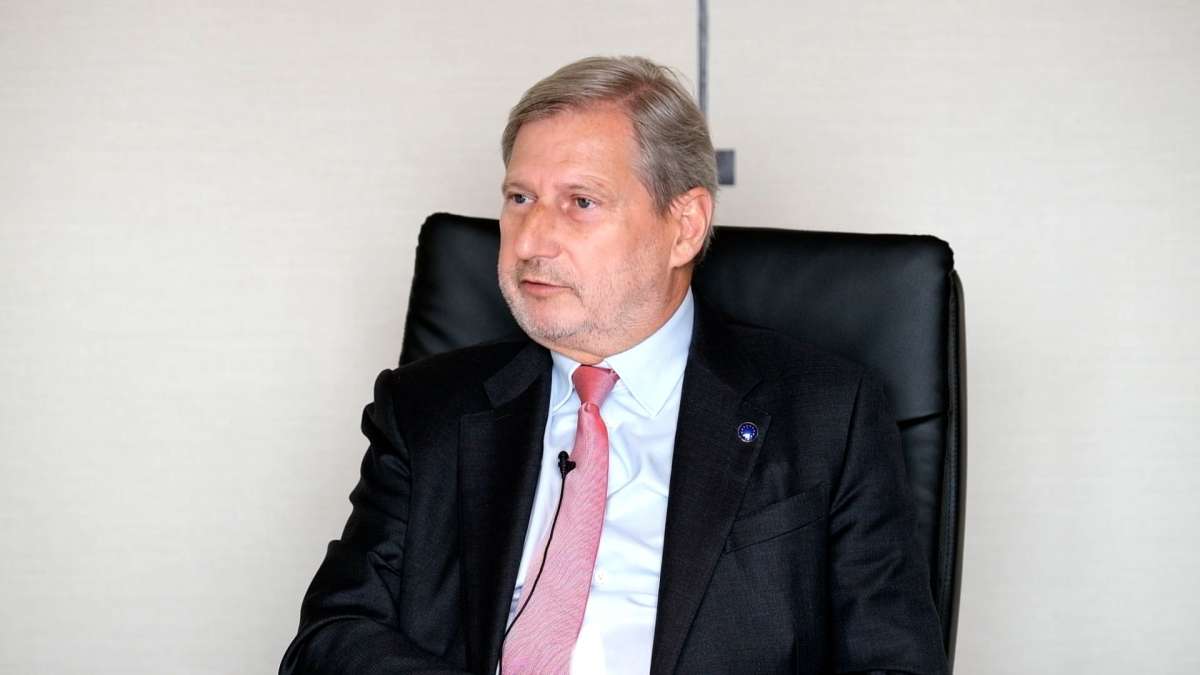
As there is no progress in European Union-Gulf Cooperation Council talks on a free trade agreement (FTA), the EU is actively seeking alternative avenues for economic cooperation with GCC states, said Johannes Hahn, the EU Commissioner for Budget and Administration.

“We would be interested, of course, to get an agreement [with GCC], but we have not made a lot of progress. So, potentially it is also useful to look into alternatives,” he said in an exclusive interview in Dubai, without elaborating on “alternatives”.

EU, UAE aligned as soft powers

Asked whether the EU will be interested in bilateral FTA with the UAE, if no further progress in talks with GCC as a bloc, Hahn asserted the importance of exploring all opportunities.

“I think, the one [talks with GCC] doesn’t exclude the other [potential bilateral deal with the UAE]. And I think it’s important once again, to seize all the potentials and the opportunities. Because at the end of the day, if we have a strong, contractual relationship, this is conducive for both of us.”

He described the alignment between the EU and the UAE as “soft powers” that rely on economic strength and cooperation.

The Commissioner explained that the EU already has 70 trade agreements with global partners and is keen on forging all kinds of international agreements, in particular trade agreements.

“Because we believe this is safeguarding a global order, which is based on agreements and treaties and not on the power of weapons.”

EU bonds

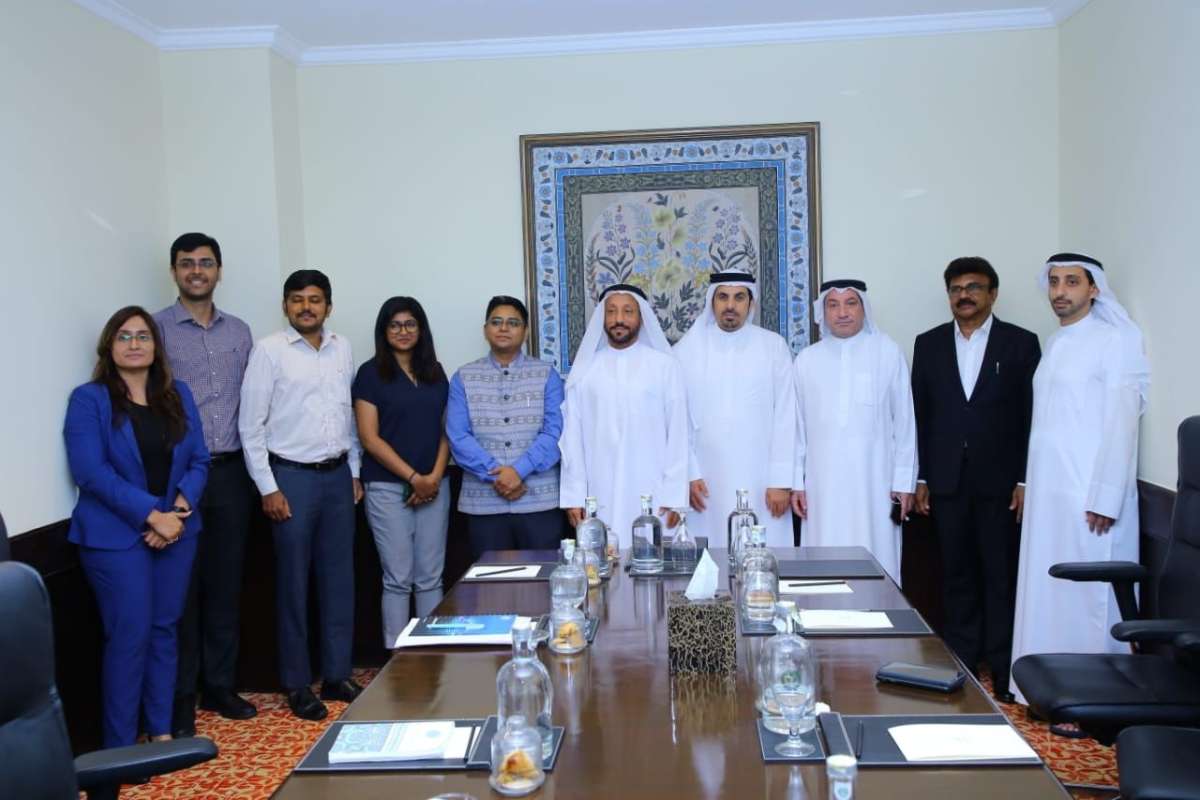
The EU Commissioner was in Dubai to speak at a conference titled “Europe: the opportunity for global investors” on Wednesday.

Talking about the positive reception of EU bonds, particularly green bonds, at the conference, he emphasised the role of these bonds in economic recovery and resilience of Europe, and green bonds facilitating a clean transition not just within the EU but globally.

The EU expects to become the world’s fifth-largest bond issuer within the next two to three years, reaching a total issuance volume of nearly €1 trillion (US$1.07 trillion/ AED3.67 trillion), Hahn said.

He explained that the funds raised from green bonds will be used for various green initiatives, including renewable energy production, energy efficiency, circular economy projects and smart city development.

The Commissioner said the EU is a global leader in issuing green bonds, expecting to reach around €250 billion.

Gender equality, diversity at workplace

About the EU’s commitment to gender equality and diversity in the workplace, he detailed the efforts to create a flexible working environment and promote gender balance at managerial levels.

The official acknowledged the need to catch up in reflecting the diversity of EU society within the Commission’s staff composition. However, he highlighted significant strides in gender equality, with the organisation nearing its target of 50 percent female representation at the managerial level by the end of the current mandate.

He expressed the EU’s interest in potential cooperation with the UAE in exchanging ideas and best practices on gender equality and diversity in the workplace.

Digital transformation, AI

Hahn discussed the EU Commission’s commitment to digitalisation, including investing in artificial intelligence (AI) within the public administration. He emphasised the importance of improving interoperability between member states’ public administrations and highlighted the successful development of a sophisticated e-translation programme that handles the 24 official languages within EU.

“Our translators have translated 2.8 million pages in 24 languages, and this is only achievable with e-translation. This has also reduced the number of translators by 40 percent over the years.”

He acknowledged the potential for cooperation with the UAE in areas such as AI research and innovation, combating disinformation, fake news and sharing expertise. (By Binsal Abdulkader)

ALSO READ: ‘DXB on track to surpass 90m passengers this year’
Previous Story

SCCI holds Sharjah-India biz forum in Chennai

Next Story

‘US paused bomb shipment to Israel over Rafah’

Previous Story

SCCI holds Sharjah-India biz forum in Chennai

Next Story

‘US paused bomb shipment to Israel over Rafah’

Latest from -Top News

Pakistan Risks Overstretching Itself in Yemen War

Pakistan’s expanding military role in Saudi Arabia amid the Yemen conflict could strain its defence resources and fragile finances…reports Asian Lite News Desk Pakistan’s military involvement in the war in Yemen may prove unsustainable because of mounting financial pressures and competing security demands, according to a new report. Islamabad’s growing military presence in Saudi Arabia risks stretching its defence resources while exposing the country to greater strategic and economic challenges. An article by Andrew Wilson in One World Outlook describes Pakistan’s involvement as a case of “fiscal and strategic overreach”, arguing that the country lacks the financial flexibility to sustain an expanded military commitment. Pakistan’s external finances depend heavily on an International Monetary Fund (IMF) programme, financial support from Gulf countries and remittances from Pakistani workers in the region. The report argues that deeper military involvement in the conflict could place additional pressure on these sources of financial stability. It also warns that deploying troops and military equipment abroad could weaken Pakistan’s capacity to address security challenges along its eastern border and deal with two domestic insurgencies. The move could also draw Islamabad into a conflict it has sought to approach cautiously. A Reuters report in May, citing Pakistani security and government sources, said Islamabad had deployed around 8,000 troops, a squadron of approximately 16 aircraft, mostly JF-17 fighter jets, two drone squadrons and a Chinese HQ-9 air-defence battery to Saudi Arabia. According to those sources, Riyadh was financing the deployment, with Pakistani personnel operating the equipment. The sources also said a confidential agreement contemplated the possibility of deploying up to 80,000 troops. Islamabad has not confirmed those figures, although it has acknowledged its military presence in Saudi Arabia, including the deployment of fighter jets at King Abdulaziz Air Base from April. The One World Outlook article argues that Saudi financial support can cover allowances and operating expenses but cannot easily replace military equipment needed elsewhere or resolve the political and strategic challenges of participating in the Yemen conflict. Pakistan’s defence budget is another concern. For the 2026-27 financial year, the federal government allocated PKR 3 trillion, or approximately $10.8 billion, to defence services. The allocation represents an 18 per cent increase from the original PKR 2.55 trillion provision and amounts to around 2.1 per cent of projected gross domestic product (GDP). Defence spending accounts for approximately 16 per cent of the federal government’s PKR 18.8 trillion expenditure. Military pensions are budgeted separately at PKR 822 billion, while debt servicing costs stand at approximately PKR 8 trillion, more than two-and-a-half times the defence allocation. The report argues that these competing financial obligations leave little room for additional military expenditure without placing further pressure on public finances. Pakistan’s reliance on IMF assistance also limits its fiscal flexibility. The country must meet the conditions attached to the programme, including a primary budget surplus target of 2 per cent of GDP and continued restraint on development spending. According to the article, these requirements make it difficult for Islamabad to finance an additional military commitment without compromising other budgetary priorities. Pakistan’s economic indicators offer limited reassurance. Economic growth for the 2025-26 financial year is estimated at between 3.6 and 3.7 per cent, while inflation reached approximately 10.3 per cent in September following an energy price shock. Foreign exchange reserves stood at around $21.5 billion at the end of September. Although this marks an improvement from the low levels recorded in 2023, the report notes that the reserves cover only a few months of imports. Financial assistance from Gulf partners remains central to Pakistan’s external stability. The article says Islamabad holds approximately $8 billion in Saudi deposits at its central bank. In July, the State Bank of Pakistan said Riyadh had extended the maturity of $5 billion in deposits to December 2028, easing the country’s immediate external financing requirements. A further $3 billion deposit was also extended in the spring. However, the article argues that these arrangements provide temporary relief rather than long-term financial independence, particularly as regional conflict threatens the stability of the Gulf economies on which Pakistan relies. The report concludes that Pakistan faces a difficult balance between supporting Saudi Arabia militarily and preserving the financial and military resources needed to address its domestic and regional challenges.
Go toTop

Don't Miss

China, US & EU to occupy more than 90% carbon space by 2050: Study

China, the US, and the European Union (EU) are likely

EU unveils strategic partnership with GCC

Increased cooperation and exchanges between the EU and GCC countries