April 27, 2025
4 mins read

Pakistan PM calls for ‘neutral’ probe into Kashmir attack 

Sharif’s remarks came as Indian and Pakistani troops exchanged gunfire for a second straight day on Saturday as ties plummeted between the neighbours  

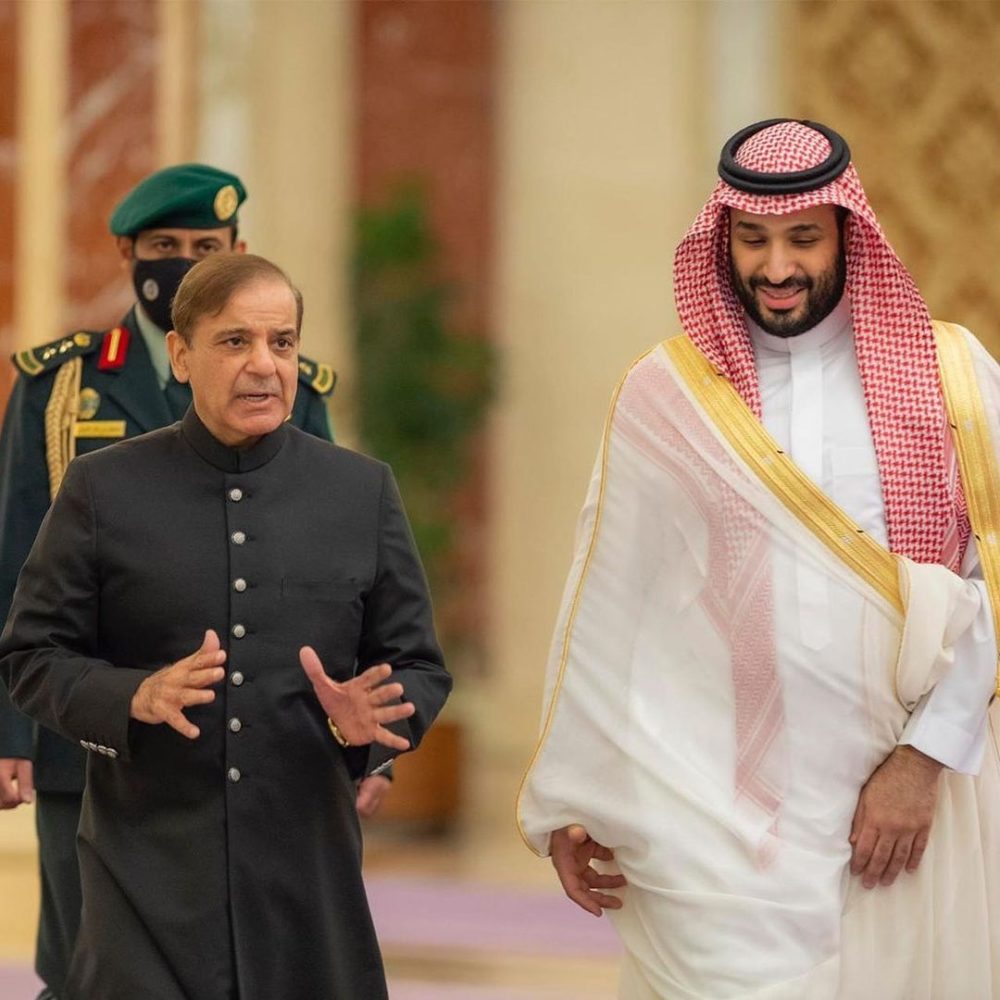
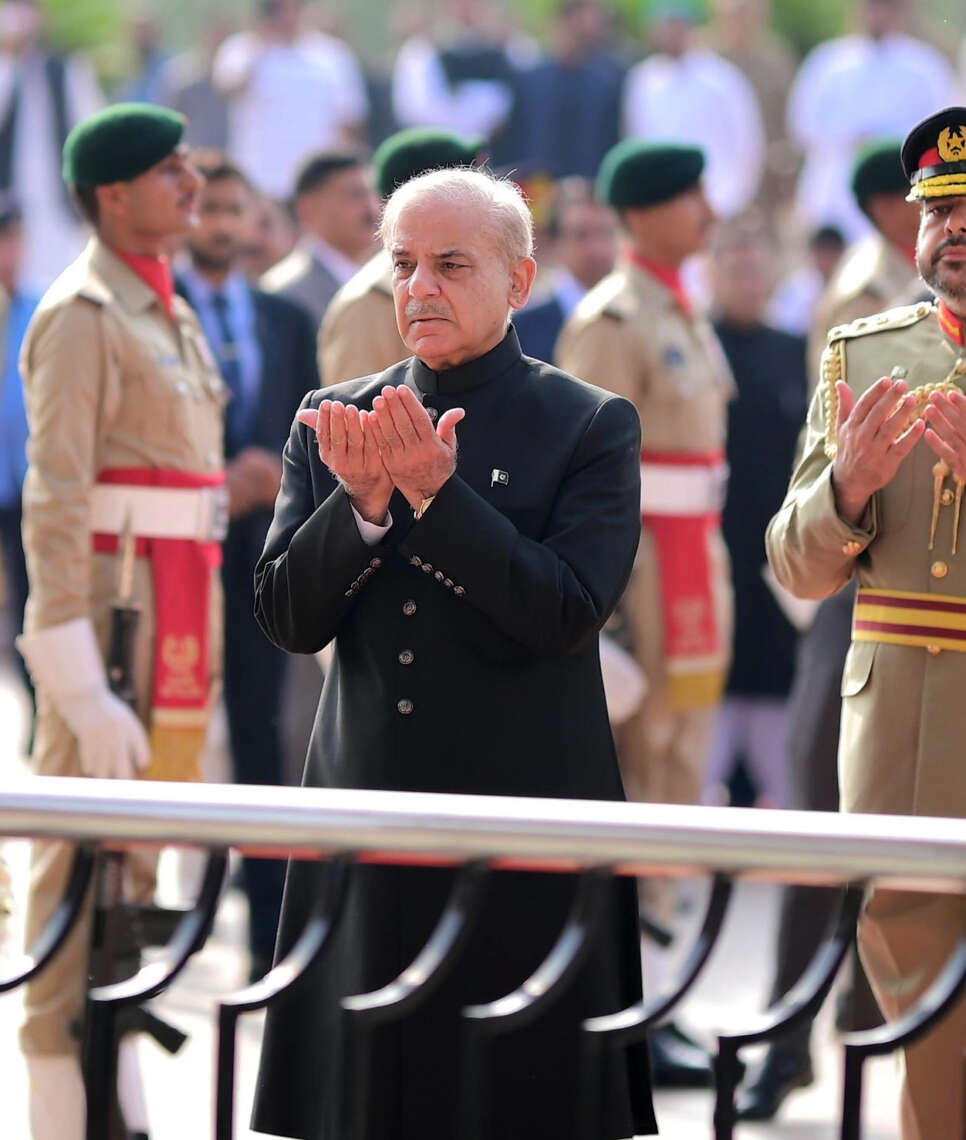
Prime Minister Shehbaz Sharif on Saturday said Pakistan’s armed forces were fully prepared to defend the country’s sovereignty and called for a “neutral” investigation into a militant attack in Indian-administered Kashmir that has brought Pakistan and India close to the brink of another conflict. 

Sharif’s remarks came as Indian and Pakistani troops exchanged gunfire for a second straight day on Saturday as ties plummeted between the two neighbours over the attack in Pahalgam that killed 26 tourists on Tuesday. 

Indian police have identified three suspects, including two Pakistani nationals, who carried out the April 22 attack. Pakistan has denied any involvement. Since the attack, both nations have unleashed a raft of measures against each other, with Pakistan closing its airspace to Indian airlines and India suspending the 1960 Indus Waters Treaty that regulates water-sharing from the Indus river and its tributaries. 

Sharif said the tragic incident in Pahalgam was yet another example of New Delhi’s “perpetual blame game” that must come to a halt, adding that Islamabad was “open to participate in any neutral, transparent and credible investigation” into the attack. 

“Water is a vital national interest of Pakistan … any attempt to stop, reduce or divert the flow of water belonging to Pakistan under the Indus Water Treaty would be responded to with full force and might and nobody should remain under any kind of false impression and confusion,” Sharif said during a passing-out parade at the Pakistan Military Academy in Abbottabad. 

“Our valiant armed forces remain fully capable and prepared to defend the country’s sovereignty and its territorial integrity against any misadventure as clearly demonstrated by its measured yet resolute response to India’s reckless incursion in February 2019.” 

Sharif’s comment was a reference to the downing of an Indian fighter jet in 2019 in response to Indian airstrikes in Pakistan, following a militant attack in Pulwama in Indian-administered Kashmir in which at least 40 Indian paramilitary police were killed. India had also blamed the Pulwama attack on Pakistan, while Islamabad denied any complicity. 

Kashmir has been divided between India and Pakistan since their independence in 1947, with both claiming the territory in full but governing separate portions of it. 

Rebel groups have waged an insurgency in Indian-controlled Kashmir since 1989, demanding independence or a merger with Pakistan. 

Tuesday’s assault happened as tourists enjoyed tranquil mountain views at the popular site at Pahalgam, when gunmen burst from the cover of the forest and raked crowds with automatic weapons. Survivors told Indian media the gunmen targeted men and spared those who could give the Islamic declaration of faith. 

India’s Prime Minister Narendra Modi on Thursday said his country would “track and punish every terrorist and their backer,” vowing to “pursue them to the ends of the Earth.” There has been growing concern since Tuesday’s attack that India could conduct a military strike on Pakistani territory as it did in 2019. 

The UN has urged the neighbors to show “maximum restraint,” while US President Donald Trump has downplayed the tensions, saying that the dispute will get “figured out, one way or another.” 

Rapidly deteriorating relations between India and Pakistan over the deadly shooting in Indian-administered Kashmir are also starting to have small but prickly economic consequences for both nations. 

While India unveiled a series of mostly symbolic diplomatic measures against Pakistan, Islamabad responded on Thursday with similar tit-for-tat measures but upped the ante by halting trade with New Delhi and closing its airspace to Indian airlines. 

Experts say that while the retaliatory moves will not have an immediate or far-reaching impact, they will likely result in longer and more expensive flights for Indians, while forcing Pakistan to increase pharmaceutical imports from other countries. 

Since India accused Pakistan of backing a deadly April 22 attack on tourists in Pahalgam — claims Islamabad denies — the two countries have exchanged gunfire and diplomatic barbs. And at the busy Attari-Wagah border crossing, the fraying ties are painfully tearing apart the many families that straddle the divide. 

There were no immediate figures on how many citizens of either nationality are in each other’s country and are expected to cross. 

On Saturday, a steady trickle of cars and rickshaws brought those leaving to the border, with relatives waving farewell at a police barricade. 

Indian citizen Anees Mohammad, 41, managed to get his 76-year-old aunt, Shehar Bano, to the border just ahead of India’s April 29 deadline to leave. 

“She is old and sick and had come here to meet everyone in the family,” said Mohammad, from Indore in India’s Madhya Pradesh state. 

Exhausted and emotional, he mopped his brow in the blazing midday heat as he bid his aunt goodbye. “No one knows when and if we will meet again.” 
Previous Story

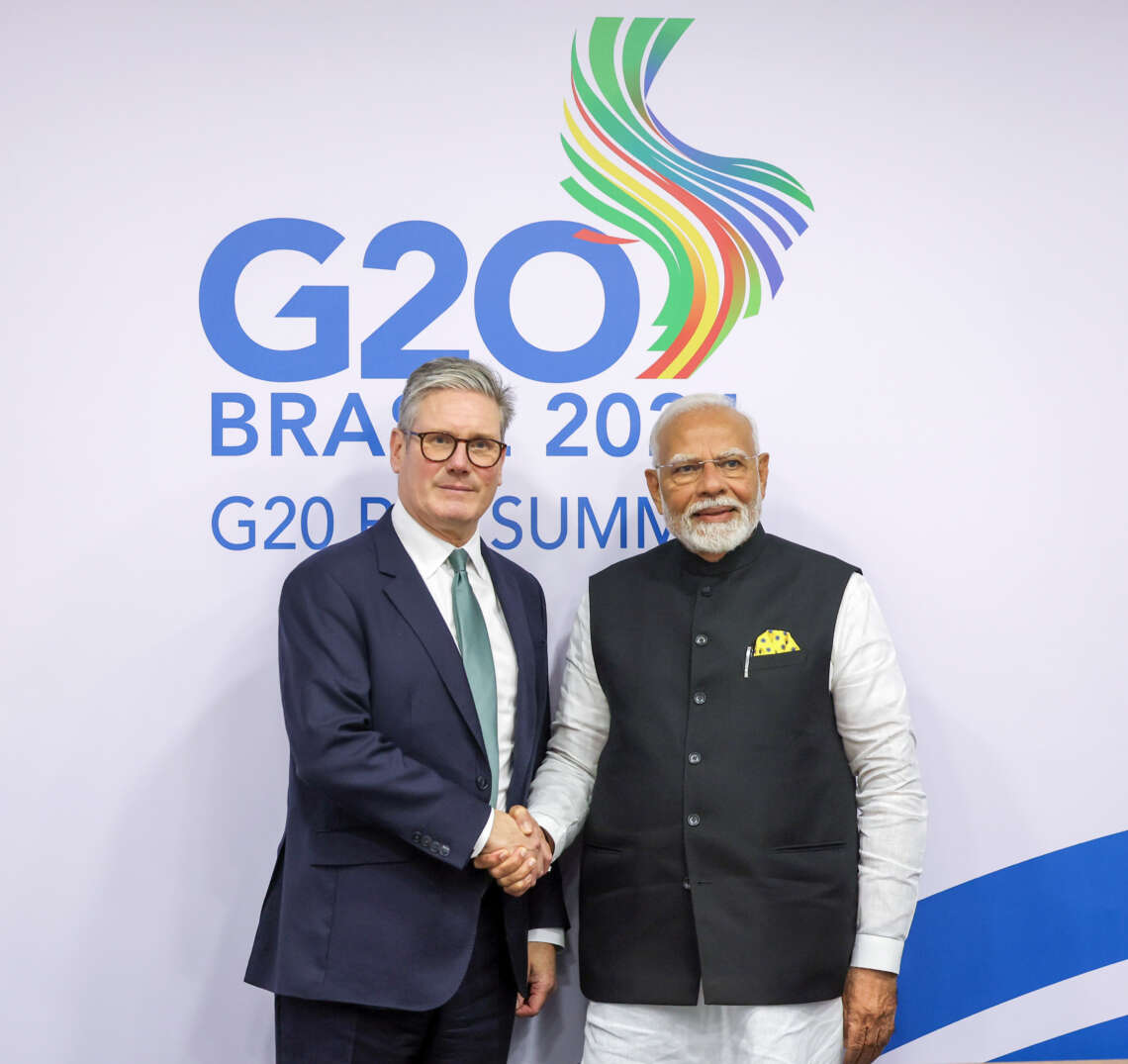
Starmer calls Modi, condemns terror attack 

Next Story

Nepal marks 10-year anniversary of earthquake 

Previous Story

Starmer calls Modi, condemns terror attack 

Next Story

Nepal marks 10-year anniversary of earthquake 

Latest from -Top News

Pakistan Risks Overstretching Itself in Yemen War

Pakistan’s expanding military role in Saudi Arabia amid the Yemen conflict could strain its defence resources and fragile finances…reports Asian Lite News Desk Pakistan’s military involvement in the war in Yemen may prove unsustainable because of mounting financial pressures and competing security demands, according to a new report. Islamabad’s growing military presence in Saudi Arabia risks stretching its defence resources while exposing the country to greater strategic and economic challenges. An article by Andrew Wilson in One World Outlook describes Pakistan’s involvement as a case of “fiscal and strategic overreach”, arguing that the country lacks the financial flexibility to sustain an expanded military commitment. Pakistan’s external finances depend heavily on an International Monetary Fund (IMF) programme, financial support from Gulf countries and remittances from Pakistani workers in the region. The report argues that deeper military involvement in the conflict could place additional pressure on these sources of financial stability. It also warns that deploying troops and military equipment abroad could weaken Pakistan’s capacity to address security challenges along its eastern border and deal with two domestic insurgencies. The move could also draw Islamabad into a conflict it has sought to approach cautiously. A Reuters report in May, citing Pakistani security and government sources, said Islamabad had deployed around 8,000 troops, a squadron of approximately 16 aircraft, mostly JF-17 fighter jets, two drone squadrons and a Chinese HQ-9 air-defence battery to Saudi Arabia. According to those sources, Riyadh was financing the deployment, with Pakistani personnel operating the equipment. The sources also said a confidential agreement contemplated the possibility of deploying up to 80,000 troops. Islamabad has not confirmed those figures, although it has acknowledged its military presence in Saudi Arabia, including the deployment of fighter jets at King Abdulaziz Air Base from April. The One World Outlook article argues that Saudi financial support can cover allowances and operating expenses but cannot easily replace military equipment needed elsewhere or resolve the political and strategic challenges of participating in the Yemen conflict. Pakistan’s defence budget is another concern. For the 2026-27 financial year, the federal government allocated PKR 3 trillion, or approximately $10.8 billion, to defence services. The allocation represents an 18 per cent increase from the original PKR 2.55 trillion provision and amounts to around 2.1 per cent of projected gross domestic product (GDP). Defence spending accounts for approximately 16 per cent of the federal government’s PKR 18.8 trillion expenditure. Military pensions are budgeted separately at PKR 822 billion, while debt servicing costs stand at approximately PKR 8 trillion, more than two-and-a-half times the defence allocation. The report argues that these competing financial obligations leave little room for additional military expenditure without placing further pressure on public finances. Pakistan’s reliance on IMF assistance also limits its fiscal flexibility. The country must meet the conditions attached to the programme, including a primary budget surplus target of 2 per cent of GDP and continued restraint on development spending. According to the article, these requirements make it difficult for Islamabad to finance an additional military commitment without compromising other budgetary priorities. Pakistan’s economic indicators offer limited reassurance. Economic growth for the 2025-26 financial year is estimated at between 3.6 and 3.7 per cent, while inflation reached approximately 10.3 per cent in September following an energy price shock. Foreign exchange reserves stood at around $21.5 billion at the end of September. Although this marks an improvement from the low levels recorded in 2023, the report notes that the reserves cover only a few months of imports. Financial assistance from Gulf partners remains central to Pakistan’s external stability. The article says Islamabad holds approximately $8 billion in Saudi deposits at its central bank. In July, the State Bank of Pakistan said Riyadh had extended the maturity of $5 billion in deposits to December 2028, easing the country’s immediate external financing requirements. A further $3 billion deposit was also extended in the spring. However, the article argues that these arrangements provide temporary relief rather than long-term financial independence, particularly as regional conflict threatens the stability of the Gulf economies on which Pakistan relies. The report concludes that Pakistan faces a difficult balance between supporting Saudi Arabia militarily and preserving the financial and military resources needed to address its domestic and regional challenges.

UK and Germany Ratify Kensington Treaty

Britain and Germany ratify the Kensington Treaty, agreeing new cooperation on AI, quantum research, defence and security while targeting investment, jobs and Russian hybrid threats…reports Asian Lite News Desk Britain and Germany

Economic tide is turning in Bangladesh

If there is one thing that can bring some comfort to the struggling Bangladeshi economy, it is good relations with India. Bangladesh should remember that Delhi’s backing, through easy supplies of essentials
Go toTop

Don't Miss

INDIA bloc to rally against Kejriwal’s arrest

Several leaders of the INDIA bloc have come out in

‘Attack on Indian High Commission unacceptable’

UK high commissioner Alexander W. Ellis travelling calls the incident