Analysts see the general move as a deliberate push to revive a stagnant peace process long controlled by Israel, Hamas and the United States, all of whom, they say, have shown little appetite for compromise.
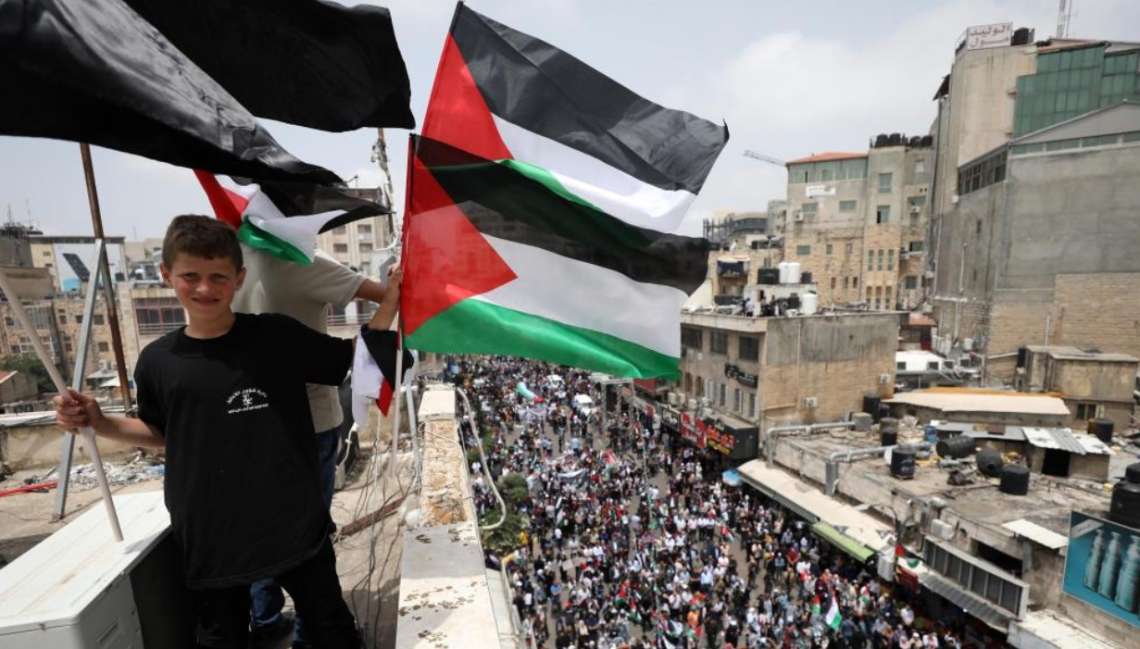
The United Nations (UN) conference on the two-state solution wrapped up its general debate amid growing international support for recognition of Palestine’s official statehood.
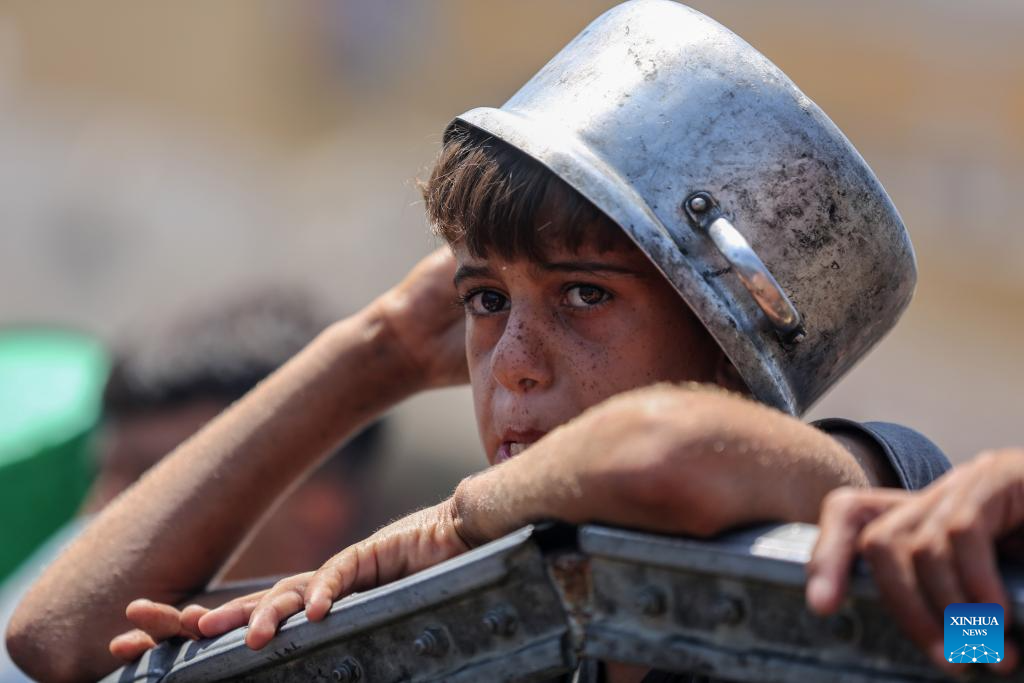
Rising civilian casualties and worsening humanitarian conditions in Gaza are pushing more Western nations to back Palestinian statehood. Which countries are leading this shift, and why?
On July 24, French President Emmanuel Macron declared France will formally recognise Palestine at September’s UN General Assembly, making it the first G7 country to take this step.
“The urgent need today is to end the war in Gaza and to rescue the civilian population,” Macron posted on X. “We must build the State of Palestine,” he said.
Downing Street issued a statement Tuesday urging “immediate and meaningful” action to ease the humanitarian disaster in Gaza, or else the British government will recognize the State of Palestine in September to “protect the viability of the two-state solution.”
Canadian Prime Minister Mark Carney announced Wednesday that Canada also plans to recognize the State of Palestine in September. “This intention is predicated on the Palestinian Authority’s commitment to much-needed reforms,” said its statement.
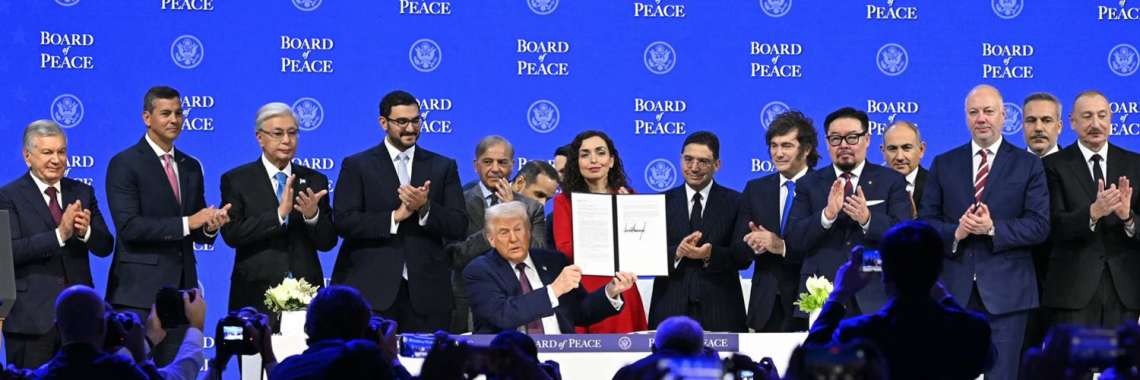
A high-level UN conference on the two-state solution concluded on Wednesday in New York after debating pathways to implement the two-state solution.
The representative of Malta said at the conference that his country could formally recognize the State of Palestine in September, calling it “a concrete step towards the realization of a just and lasting peace.”
Moreover, Portugal, together with a group of other countries, reexamined the issue and the conditions for recognizing the State of Palestine during the meeting.
“From multiple contacts, it was possible to determine that many of the states with which Portugal has coordinated positions on the matter expressed a willingness to begin the procedure of recognizing the State of Palestine,” its statement read.
Following the meeting, 15 foreign ministers signed a joint statement, stating that they will consider formally recognizing the Palestinian state at the upcoming UN General Assembly.
France’s move signals a break with Europe’s past stance. The French daily Le Monde reported that the turning point was Israel’s prolonged Gaza offensive and aid restrictions, worsening famine and civilian suffering.
Israeli military operations in Gaza since October 2023, triggered by a deadly Hamas-led attack on Israel, have resulted in over 59,210 Palestinian deaths and more than 143,040 injuries, Gaza-based health authorities reported on July 24.
They also said on Wednesday that the total number of fatalities related to hunger and malnutrition had risen to 154 in Gaza, mostly children.
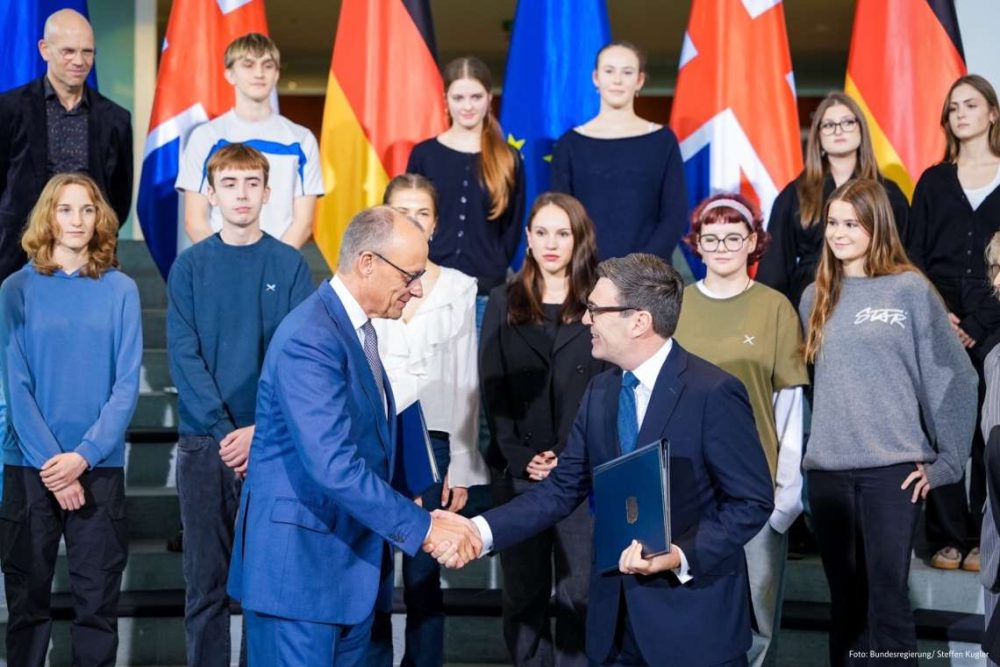
Just a day after France’s announcement, Macron, British Prime Minister Keir Starmer and German Chancellor Friedrich Merz jointly demanded an immediate Gaza ceasefire and pressed Israel to end aid restrictions.
“Israel must uphold its obligations under international humanitarian law,” the statement said.
Britain’s decision comes amid growing domestic pressure, with over 200 MPs from nine parties urging Starmer and Foreign Secretary David Lammy in a letter last Friday to recognize a Palestinian state immediately.
Britain bears a moral duty to safeguard peace prospects, given its historical role in the 1917 Balfour Declaration, Lammy said.
The collapsed ceasefire talks, tepid U.S. diplomacy, and Israel’s symbolic West Bank annexation vote have convinced Paris and London that traditional mediation approaches have failed.
Adel Bakawan, a researcher at the French Institute for International and Strategic Affairs, said France is capitalizing on a “window of political opportunity” amid waning U.S. regional influence. “France is offering an alternative vision,” he said.
Analysts see the general move as a deliberate push to revive a stagnant peace process long controlled by Israel, Hamas and the United States, all of whom, they say, have shown little appetite for compromise.
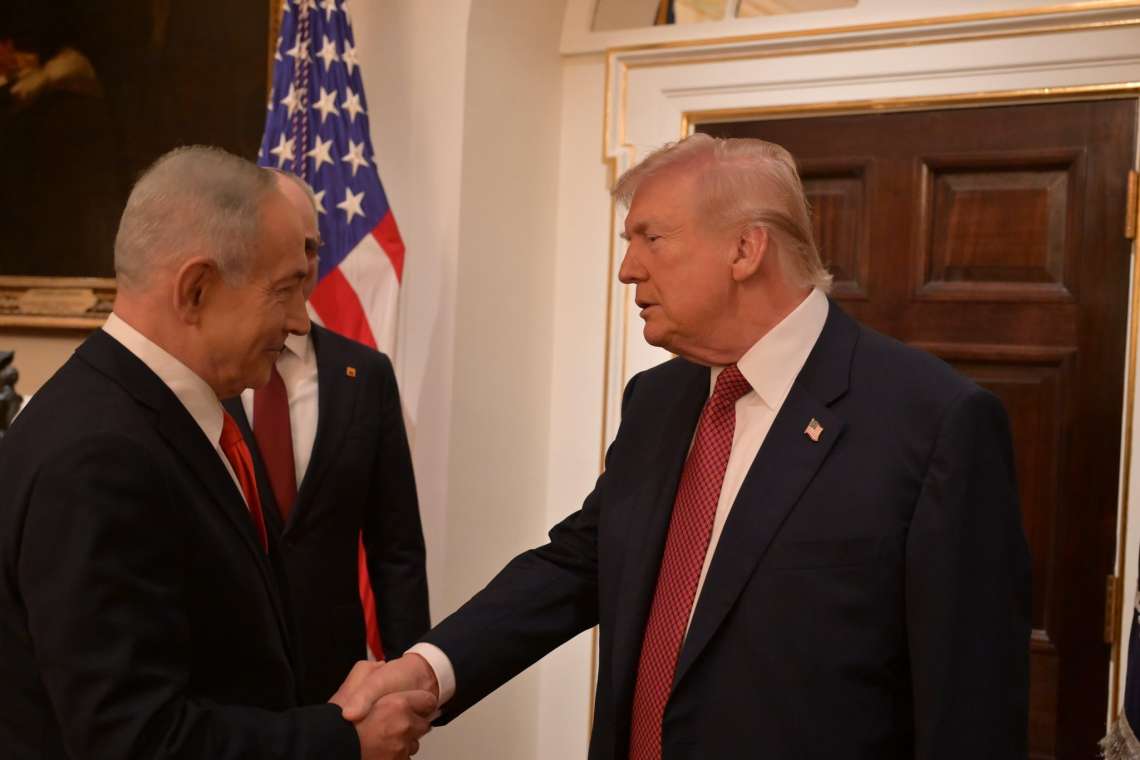
In response to Macron’s announcement last week, Israeli Prime Minister Benjamin Netanyahu said such a move “rewards terror and risks.” “A Palestinian state in these conditions would be a launch pad to annihilate Israel, not to live in peace beside it,” he said.
But the latest UN conference in New York showed that Israel is increasingly finding itself “in a minority position,” German Foreign Minister Thomas Wadephul said Thursday, as he pressed Israel to act on Gaza’s “unfathomable” humanitarian crisis.
U.S. President Donald Trump has condemned the French move, saying it “doesn’t carry any weight.” He also dismissed Britain’s intention to recognize a Palestinian state as “dangerous.”
As the United States maintains its stance that Palestinian statehood requires direct talks with Israel, more governments now embrace recognition as a practical alternative.
The African Union (AU) on Saturday welcomed France’s announcement to officially recognize the State of Palestine, calling it a “significant step” that aligns with the AU’s longstanding position.
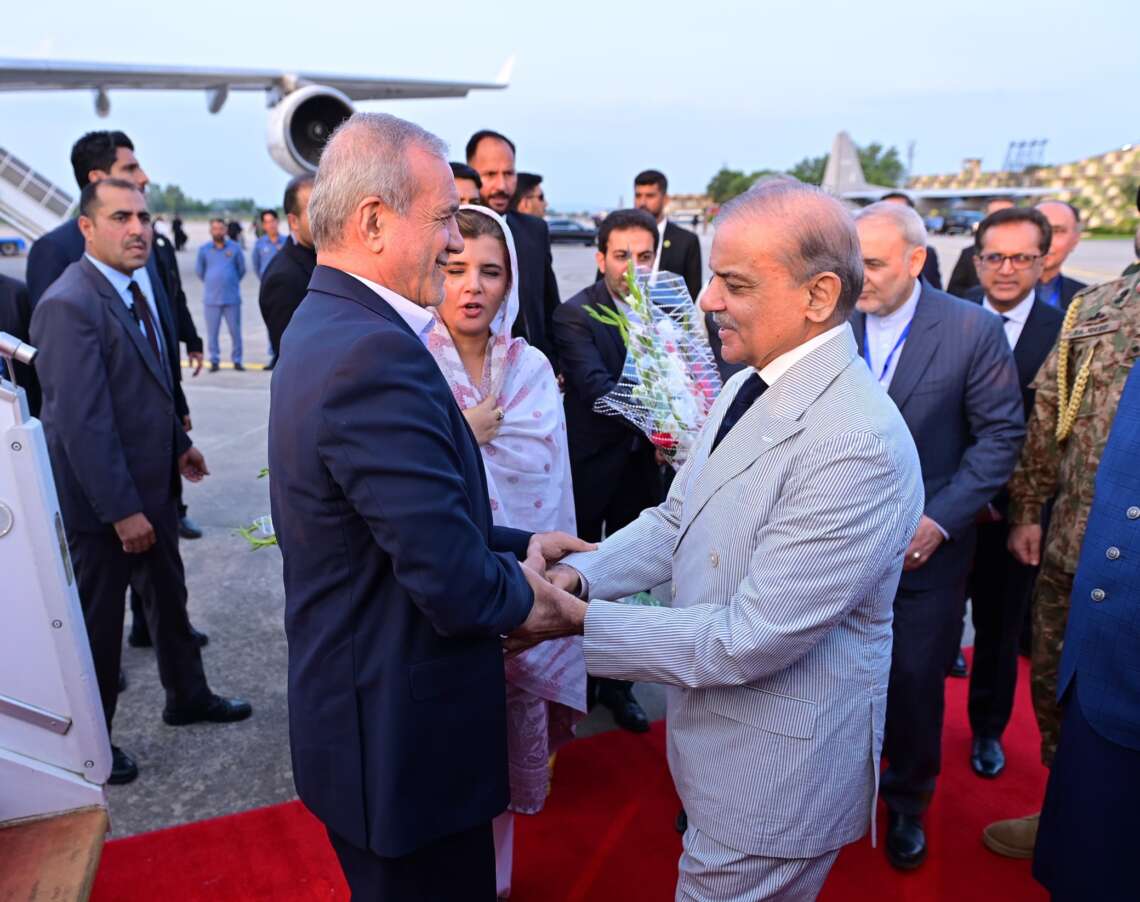
Egyptian President Abdel-Fattah al-Sisi on Wednesday described Britain’s intention to recognize a Palestinian state as a step toward advancing the two-state solution.
“I highly value the statements made by Prime Minister of the United Kingdom, Keir Starmer, regarding the UK’s intentions to recognize the State of Palestine,” said the president.
In a statement issued Thursday by the United Arab Emirates Ministry of Foreign Affairs, Minister Sheikh Abdullah bin Zayed Al Nahyan said that international recognition of Palestine would enhance prospects for lasting peace and contribute to long-term regional stability.
Turkish President Recep Tayyip Erdogan on Thursday also expressed strong support for international efforts to recognize the State of Palestine, saying recent developments in Europe have been “very valuable.”
“We welcome every step toward the recognition of the State of Palestine. We consider the growing humanitarian reactions from Europe to be of great importance,” Erdogan said.