This comes days after a ceasefire was brokered between the two countries following days of hostilities….reports Asian Lite News
Months after India suspended the Indus Water Treaty in response to the Pakistan-backed terror attack in Pahalgam on April 22, Afghanistan has now announced plans to build dams on the Kunar River “as soon as possible” — a move likely to stir unease in Islamabad.
Taking it to X, Muhajer Farahi, Taliban’s Deputy Information Minister, said, “His Eminence Amir al-Mu’mineen, (referring to Taliban Supreme Leader Mawlawi Hibatullah Akhundzada), may God protect him, has instructed Ministry of Water and Energy to begin construction of dams on the Kunar River as soon as possible and to sign contracts with domestic companies and not wait for foreign companies.”
This comes days after a ceasefire was brokered between the two countries following days of hostilities.
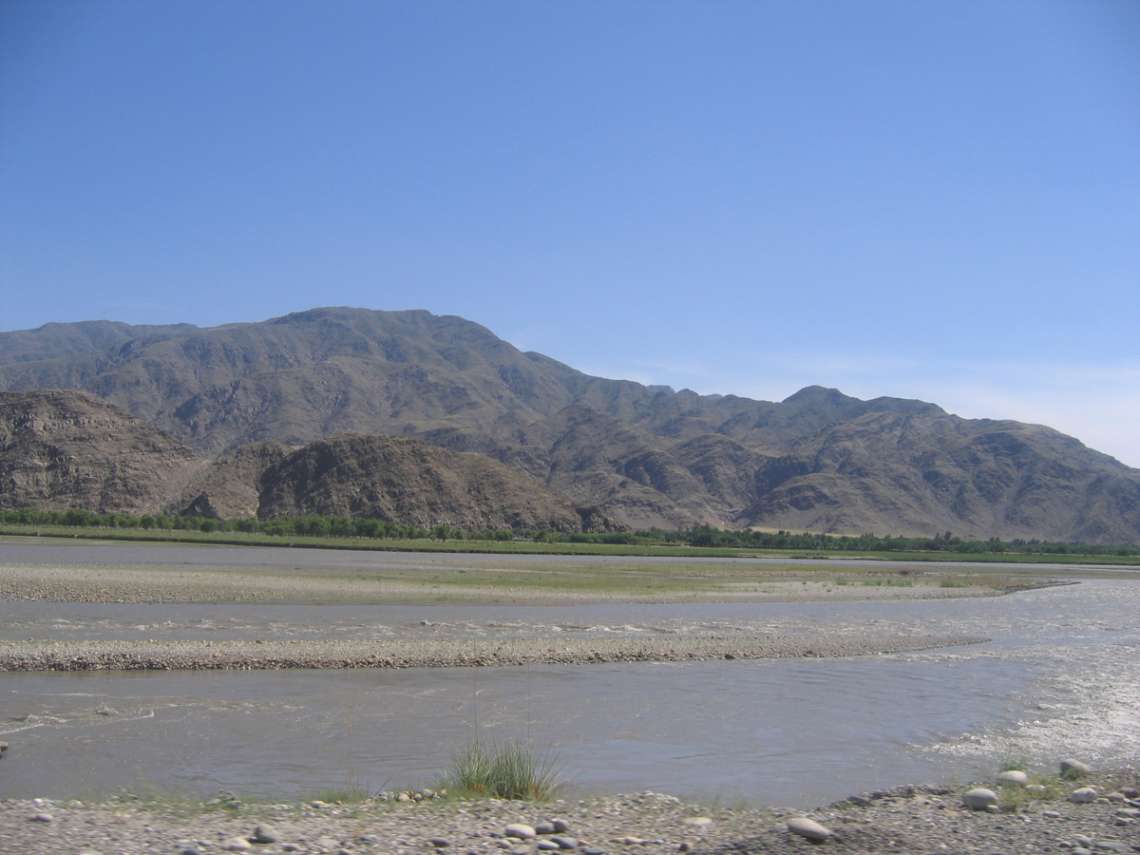
The Chitral River, also known in Afghanistan as the Kunar River, is a 480-kilometre-long river in northern Pakistan and eastern Afghanistan.
It originates from the Chiantar glacier, located at the border of Gilgit Baltistan and Chitral in Pakistan.
At Arandu, it enters Afghanistan, where it is called the Kunar River. It later merges with the Kabul River in Nangahar Province of Afghanistan. The river system is fed by melting glaciers and snow of the Hindu Kush mountains.
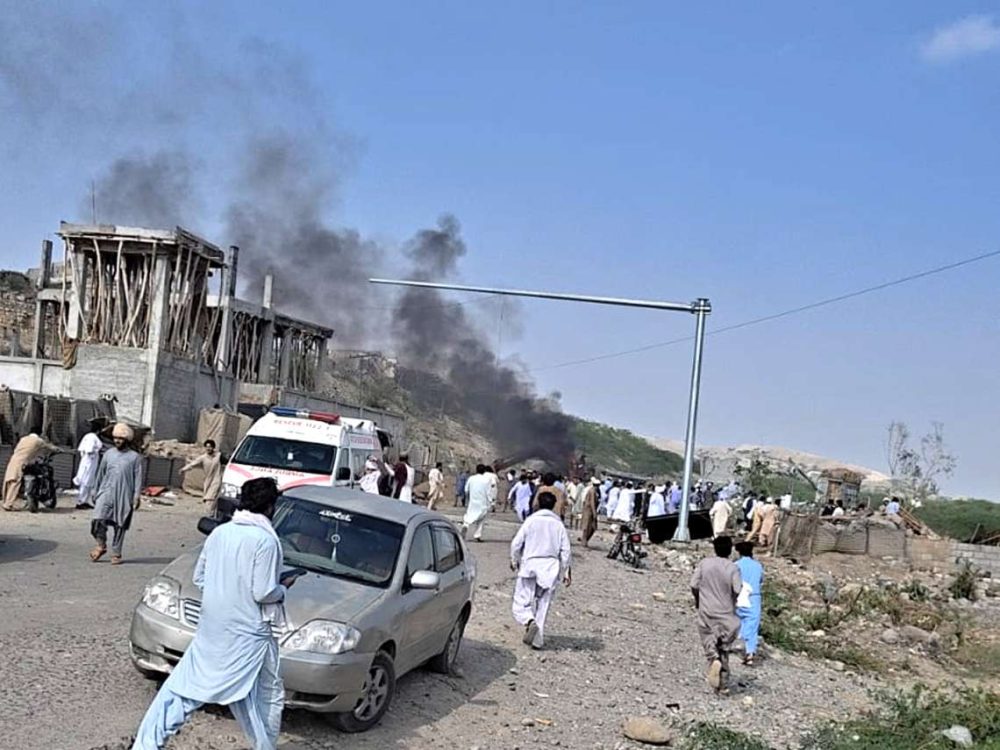
Notably, the relations between Kabul and Islamabad have been undergoing a turbulent phase as the situation on the Durand Line has witnessed several clashes in the past few weeks.
Afghanistan’s FM Amir Khan Muttaqi’s week-long visit to New Delhi beginning on October 9 was viewed with extreme hostility by the Pakistani establishment, and on the very first day of Muttaqi’s visit, Kabul witnessed drone attacks.
Pakistan has been accusing the Taliban leadership of sheltering and aiding TTP militants, which has become a menace to their security establishment, as several Pakistan Army personnel have lost their lives in these attacks.
Since coming to power in 2021, the de facto rulers in Kabul have stressed the importance of prioritising water sovereignty.
It is pertinent to note here that there is no water cooperation between Afghanistan and Pakistan.
“Of the nine rivers that flow across the border, none possess a formal agreement or mechanism to manage shared water resources,” according to the think-tank International Water Management Institute.
In the past, too, Pakistan has raised concerns over Afghanistan’s water sovereignty, and it seems that the issue is likely to create more trouble in the coming days.