Saudi Arabia signs onto the US-led Board of Peace at Davos, backing a new international push to secure Gaza’s recovery, reconstruction and long-term stability after years of war….reports Asian Lite News
Saudi Arabia has formally joined a new US-led international initiative aimed at stabilising and rebuilding Gaza, signalling a significant diplomatic shift as efforts intensify to lock in peace after more than two years of devastating conflict.
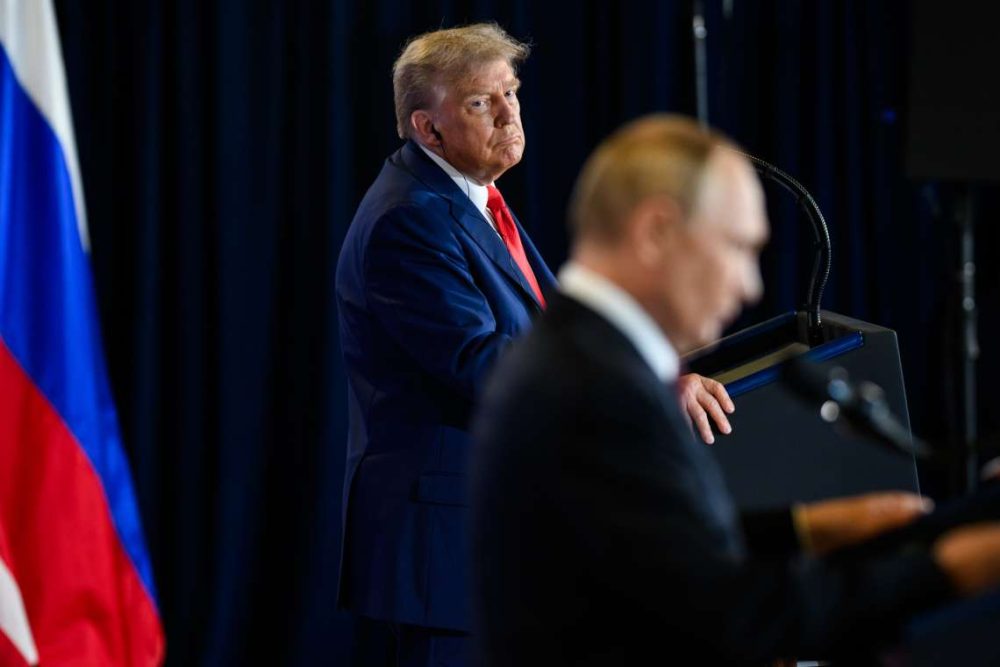
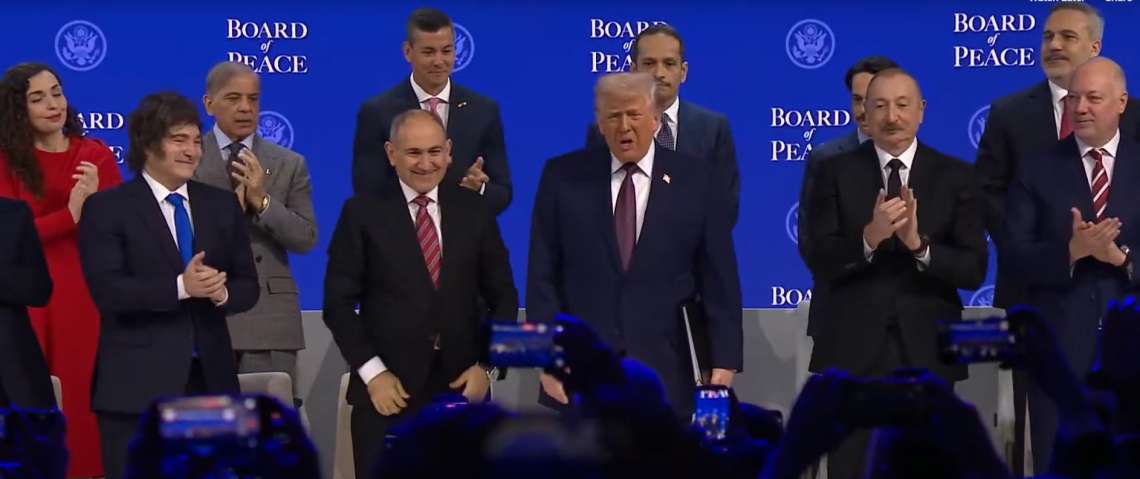
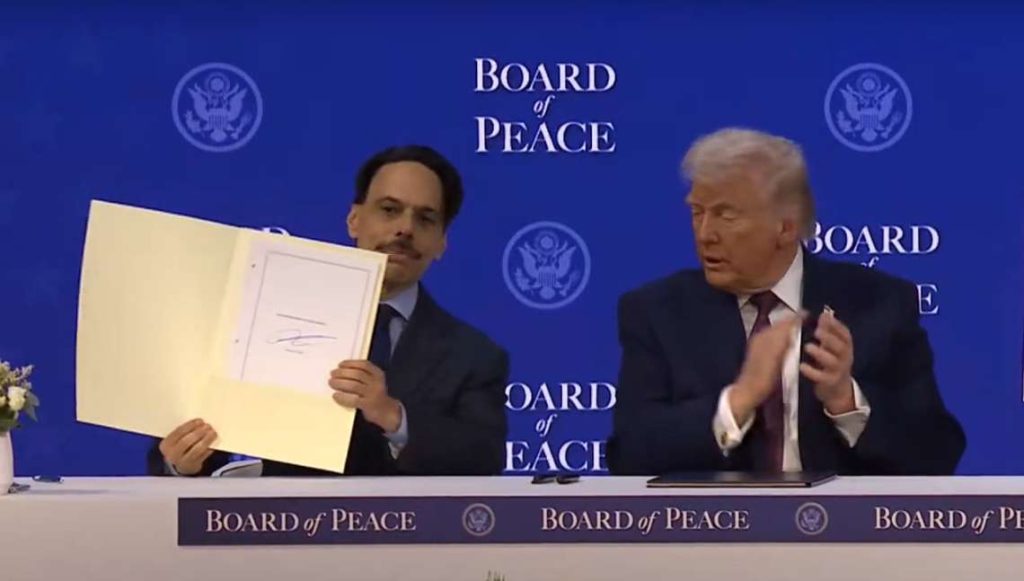
At a high-profile ceremony on the sidelines of the World Economic Forum Annual Meeting 2026 in Davos, Saudi Minister of Foreign Affairs Prince Faisal bin Farhan bin Abdullah signed the founding charter of the newly established Board of Peace in the presence of US President Donald Trump and leaders and representatives from a wide range of countries.
The signing marked the Kingdom’s endorsement of a transitional framework designed to end the conflict in Gaza, support reconstruction and pave the way for long-term security and stability. Saudi Arabia said its participation reflects support for President Trump’s peace initiative and aligns with United Nations Security Council Resolution 2803, which calls for a sustainable political and humanitarian solution in the war-ravaged territory.
The Board of Peace is intended to function as a temporary international body overseeing demilitarisation, governance reform, humanitarian access and economic recovery in Gaza. Saudi Arabia was one of eight Arab and Islamic countries that announced their decision this week to join the initiative, alongside Qatar, Turkey and several regional and international partners.
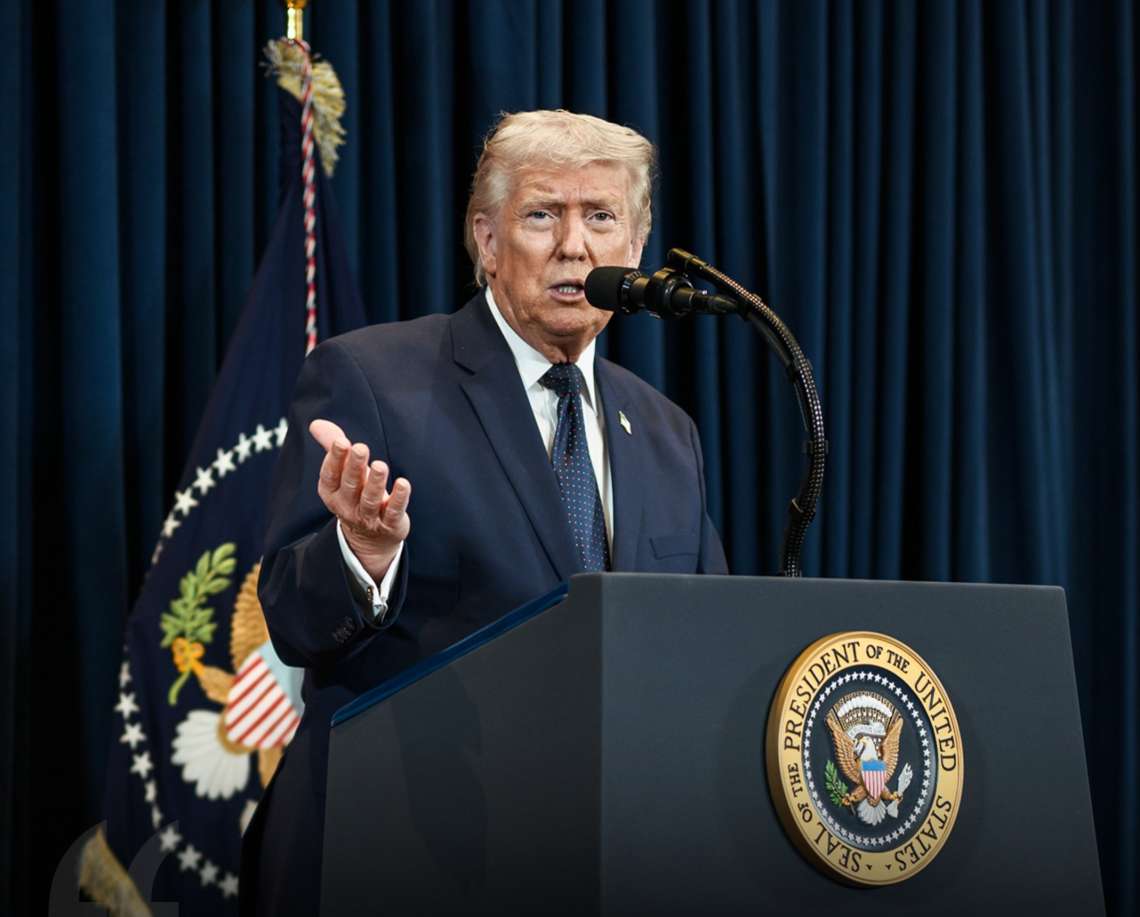
Speaking at the launch, President Trump described the initiative as a turning point from conflict to reconstruction, framing Gaza’s future in terms of stability, opportunity and economic renewal. He said the goal was to ensure that peace becomes irreversible by focusing on jobs, infrastructure and long-term investment rather than temporary aid.
“This is a very exciting day,” Trump said, adding that the plan was about “moving from war to rebuilding”.
US Secretary of State Marco Rubio described the initiative as a decisive shift in American diplomacy, arguing that years of failed international efforts had left Gaza trapped in a cycle of violence and dependency. He said the administration’s focus was now on implementation rather than declarations, calling the new body a “board of action” rather than a symbolic forum.
The launch also brought concrete announcements. Organisers confirmed that the Rafah crossing between Gaza and Egypt is set to reopen next week, a move seen as critical for humanitarian relief, trade and the movement of people. The reopening is expected to ease pressure on aid agencies and help kick-start economic activity.
US special envoy Steve Witkoff said the agreement had already delivered results, including the return of hostages, and had created momentum for broader regional stability. He described the deal as one that many believed was impossible, but said it had restored hope for Gaza’s future.
Senior presidential adviser Jared Kushner outlined a long-term redevelopment plan, arguing that peace must be supported by security, governance and private investment. He said Gaza’s economy could not continue to rely on aid, which has accounted for the majority of its GDP for years, and stressed the need for dignity through employment and enterprise.
“Without security, nobody’s going to invest,” Kushner said, adding that the plan aimed to replace dependency with opportunity through free-market principles.
The Board of Peace brings together a diverse group of states, including Bahrain, Morocco, Egypt, Jordan, Pakistan, the United Arab Emirates, Indonesia, Hungary, Argentina and several Central Asian and European nations. The broad coalition reflects the Trump administration’s argument that Gaza’s stabilisation requires international burden-sharing and regional buy-in.
While significant challenges remain, including governance reform and security guarantees, Saudi Arabia’s decision to join the board adds political weight to the initiative and signals growing regional support for a post-war framework focused on reconstruction rather than renewed conflict.