By Dilip Roy FRAS
The German Gita : Hermeneutics and Discipline in the early 18th and 19th century German Reception of Indian Thought by intellectuals like Herder, Schlegel, Humboldt and Hegel interpreted the Bhagavad Gita the book written by an American professor Bradley Herling investigates the intellectual framework that shaped early European understanding of the Gita. However the ripple effect in twentieth century was felt on one American quantum and theoritical physicist called Robert J. Oppenheimer though a German by descent and regarded as the father of Atomic Bomb, went all the way to master Sanskrit language to understand the text in its original form.
The reception of Gita played a crucial role in these developments, taking its place in a moment that would give rise to the philological apprehension of Indian sources (Indology) to the technical, scientific study of language and later , to the academic study of mythology and scripture (the study of religion). All the while, philosophy was both witness to and participant in these developments, and the reception of Gita therefore made an impact on its post-Kantian manifestations.
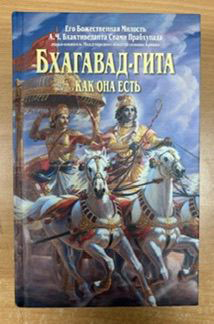
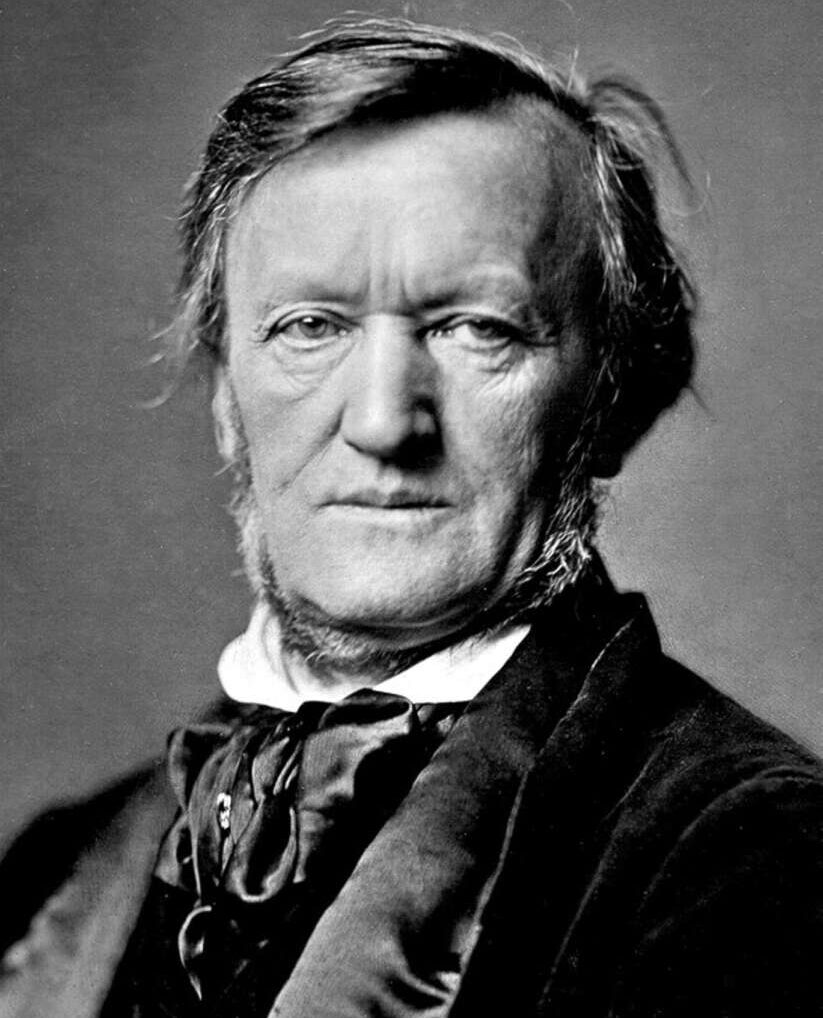
Johann Godfried Herder (1744-1803) was the first major figure in the German intellectual tradition to take serious interest in interpreting Indian culture. Herder revisited Indian ancient sources time and time again as part of his wide ranging effort to capture world history as a whole and, at the same time discern the distinctiveness of all of its constituent parts. Among numerous writings on India, one finds a translation of excerpts fom the Bhagavadgita, rendered in 1792, which constitutes the first appearance of the textin the German intellectual circles. In a broad sense, Herder’s overarching intellectual project and its dialectic with the concerns of his intellectual community inevitably gave India and Gita, an interpretive location to occupy. In a narrower sense, information about India itself was begnning to arrive in Europe during Herder’s time hence its culture, religion and philosophy, as he saw them. Herder greatly admired Kalidasa’s works particularly the play (Shakuntala).
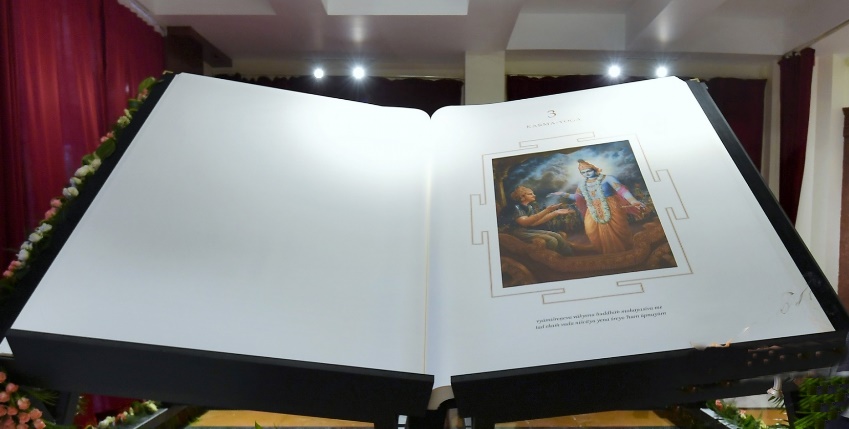
PS: Herder was and remained a Christian and a European. Considering this, he exhibited a remarkable willingness to accept Indian thought and Indian ways of life in their own right, what he understood as being the Hindu viewpoint, and to look at critically at himself as a Christian and European through, so to speak Indian eyes. The picture Herder painted of India was essentially positive and glorifying, anticipated in some ways the Romantic understanding of India.
Wandey Mataram (Hail Mother India)
(Dilip Roy is an elected Fellow of Royal Asiatic Society UK and a researcher on cultural and philosopical subjects)