The festival itself reflected this philosophy in practice. Bringing together nearly 41 prominent figures from diverse creative and intellectual fields—including Riyas Komu, Seema Kohli, and G. Suresh Kumar—Kulam 2026 stood out as a confluence of ideas and artistic expression…reports Asian Lite News Desk
The cultural fest Kulam 2026, held at Cochin Club, brought together art, food, and dialogue in a vibrant celebration of Kerala’s living traditions. Organised by the Art Out Reach Society and curated by Thanya Abraham, the festival was conceived as an immersive cultural experience. Conceived as a culmination of memory tables, debates, and art exhibitions, the event sought to reclaim the depth of tradition and the soul of food culture from being reduced to fleeting social media trends.
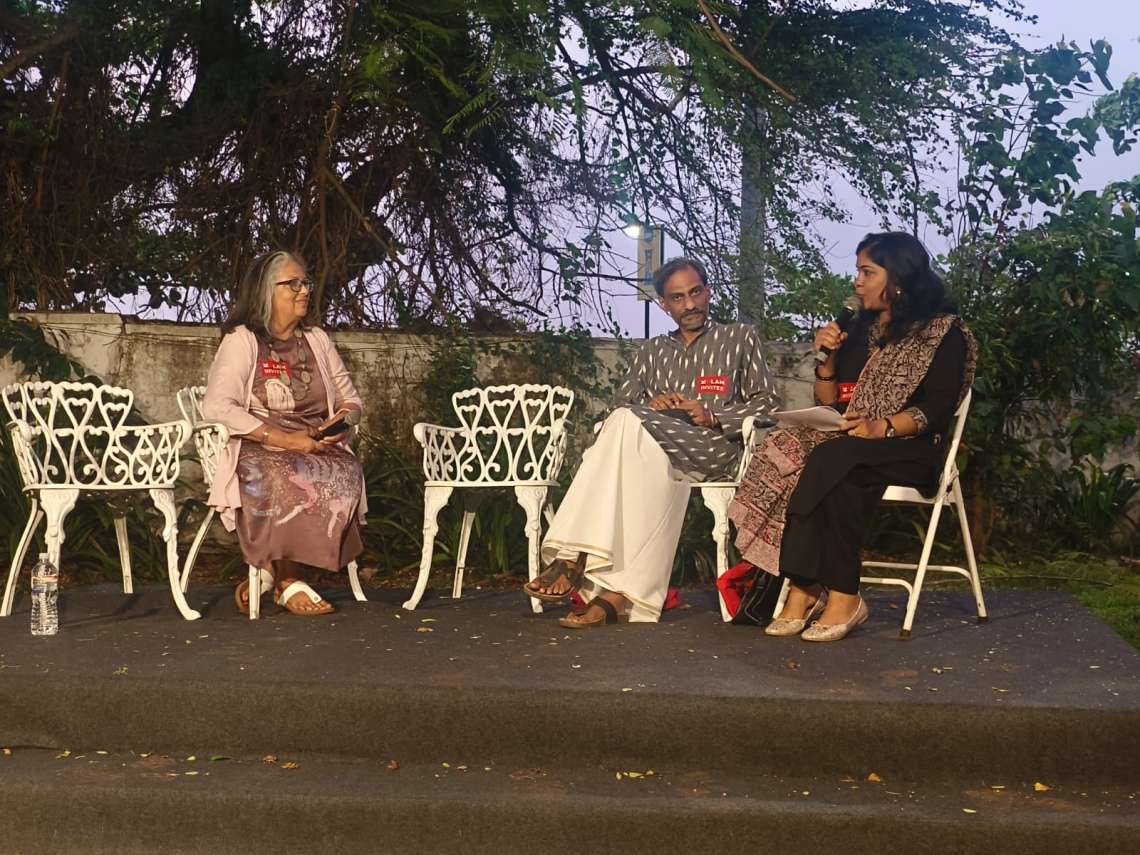
Within this larger cultural canvas, a thought-provoking panel discussion on “Identity through Food and Culture” was held in Kochi, bringing together architect and heritage conservationist Vinod Kumar MM and writer, landscape designer, and organic gardener Lathika George. The session was moderated by Dr. Parvathy Nair, Assistant Professor at Jain (Deemed-to-be University), Kochi, who guided the conversation with insight and clarity, fostering a rich exchange of ideas.
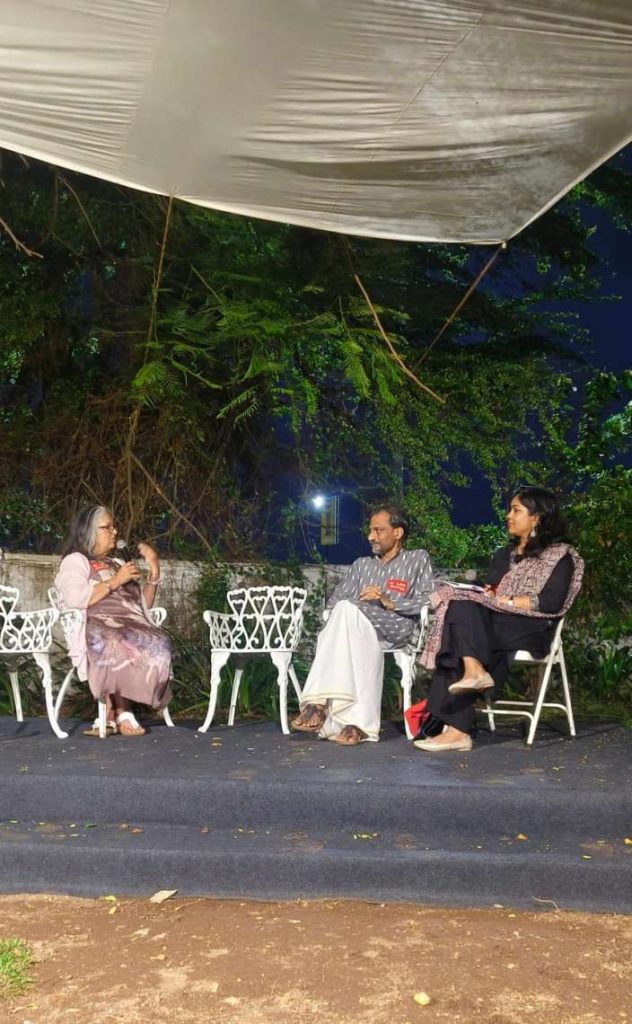
The discussion delved into the intricate ways in which food, space, and memory intersect to shape cultural identity in Kerala. Drawing from her deep engagement with land and traditional practices, Lathika George reflected on the intimate relationship between cultivation and cuisine. She emphasised how indigenous farming methods and inherited knowledge systems are not merely functional, but foundational to a community’s sense of belonging.
Vinod Kumar MM, meanwhile, brought attention to the spatial dimensions of culture, highlighting the role of architecture in sustaining lived traditions. He noted that traditional Kerala homes were designed as integrated environments, where kitchens, courtyards, and shared spaces nurtured collective food experiences and reinforced social bonds.
Together, their perspectives offered a nuanced understanding of authenticity. As Lathika George suggested, authenticity is rooted in land, seasonal rhythms, and lived experience—evolving naturally as environments and lifestyles shift. Vinod Kumar complemented this view by underscoring the importance of preserving context, arguing that built spaces and traditional practices play a vital role in maintaining cultural continuity.
What emerged from the dialogue was a compelling idea: authenticity is neither fixed nor entirely fluid. Instead, it is a dynamic process—one that involves retaining traditions while continually reinterpreting them in response to changing social realities. In this sense, authenticity lies not in rigidly replicating the past, but in carrying forward its essence while allowing it to evolve meaningfully over time.
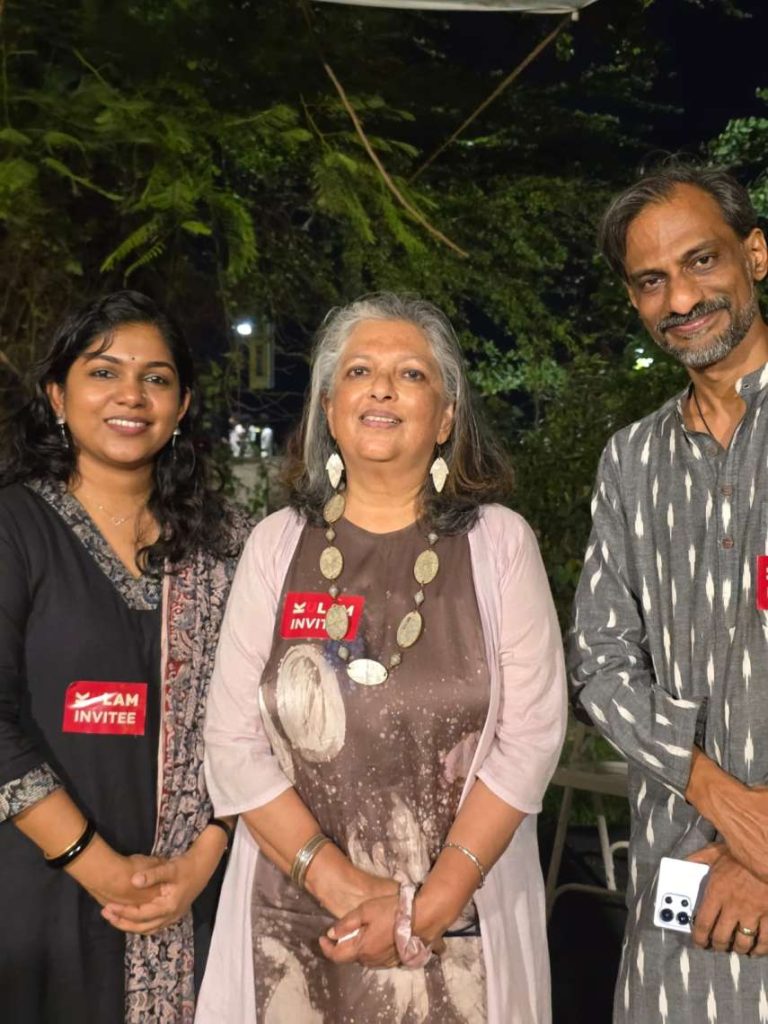
The festival itself reflected this philosophy in practice. Bringing together nearly 41 prominent figures from diverse creative and intellectual fields—including Riyas Komu, Seema Kohli, and G. Suresh Kumar—Kulam 2026 stood out as a confluence of ideas and artistic expression. Among its highlights were Riyas Komu’s striking bronze sculpture and the evocative ceramic paintings by Sushama Anand, both of which drew significant attention.
More than just a festival, Kulam 2026 emerged as a conscious cultural intervention—an effort to reconnect with the essence of tradition, community, and food, and to preserve them in their richness rather than allowing them to shrink into simplified, consumable fragments of the digital age.