Bangladesh’s Khalilur Rahman has taken over as President of the 81st UN General Assembly, pledging to restore trust and make the organisation fit for a rapidly changing world…reports Asian Lite News Desk
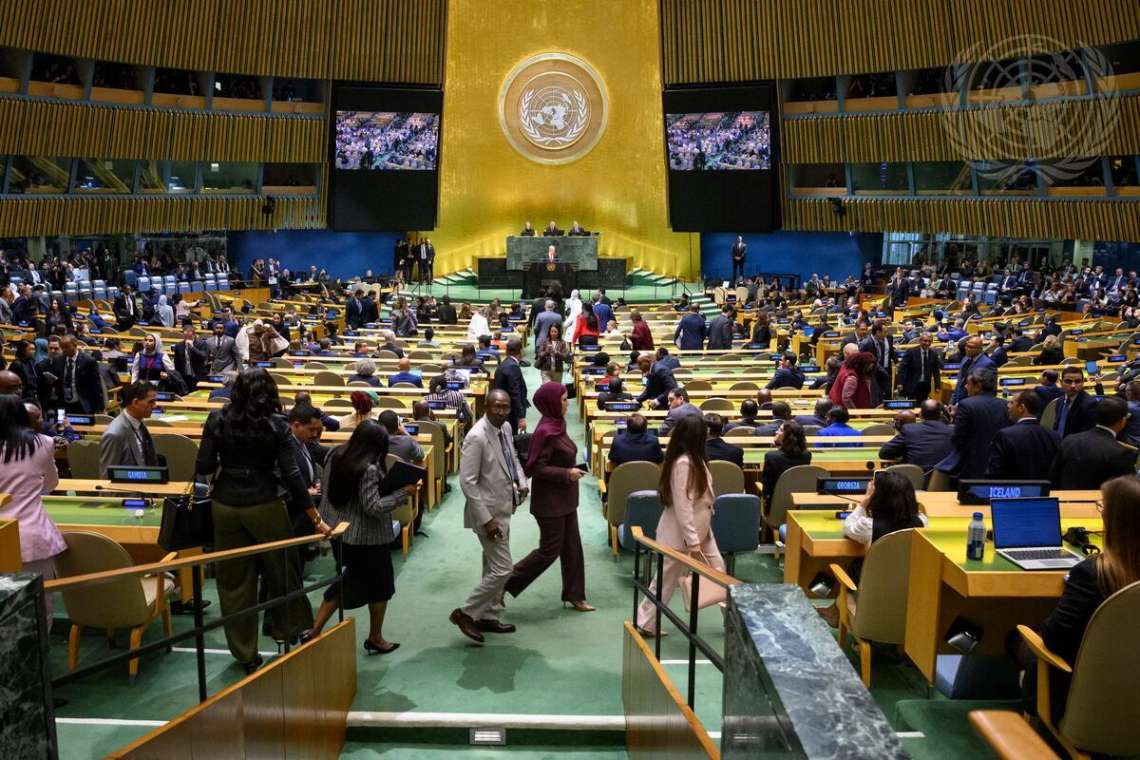
Bangladesh’s Khalilur Rahman has formally taken over as President of the 81st session of the United Nations General Assembly, calling for deeper reform and a renewed effort to restore trust in the world body.
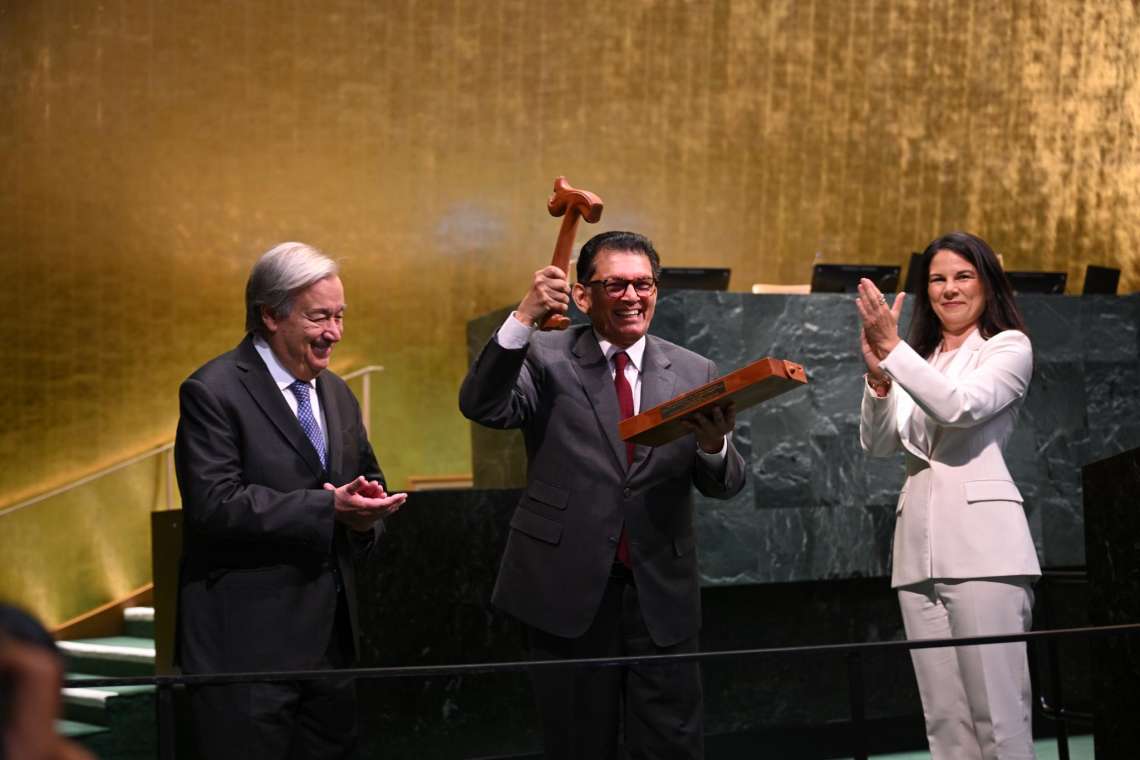
Rahman received the iconic Icelandic wooden gavel from outgoing Assembly President Annalena Baerbock as he began his one year tenure amid conflicts, geopolitical divisions, humanitarian crises, inequality and worsening climate pressures.
Setting out his theme for the year, “Restoring trust, managing transformation: A United Nations that delivers for all,” Rahman said the organisation must adapt to a rapidly changing world.
“We must make the United Nations fit for the future,” he said, stressing the need to listen to civil society and broaden participation in the work of the organisation.
“We have a situation where trust is in deficit. This is not 1945. This is the 81st session. The world has moved on. The Organization must move on, and I’ll help that process,” Rahman said.
He said meaningful reform would be central to his presidency, arguing that changes to the UN must go beyond superficial adjustments and help rebuild public confidence in the organisation.
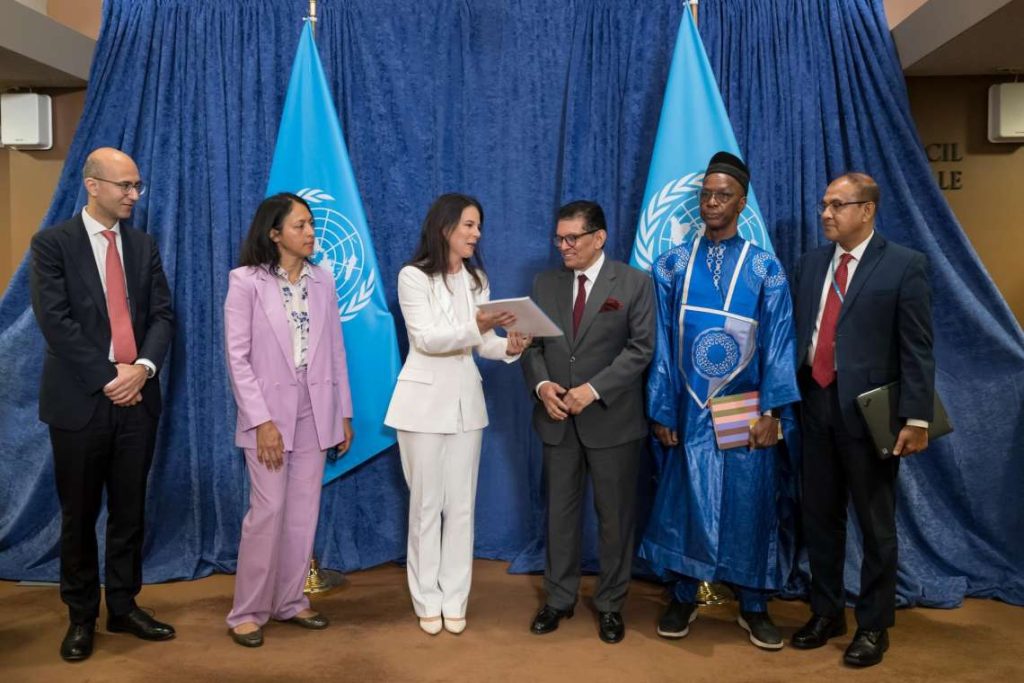
Rahman has outlined six broad priorities for the 81st session, including strengthening peace, security and justice, accelerating progress towards the 2030 Sustainable Development Goals and promoting climate resilience and environmental sustainability.
He also highlighted human rights, humanitarian action and the protection of refugees and migrants, as well as digital governance, artificial intelligence and safeguarding future generations.
Renewed multilateralism, UN reform and more inclusive global governance will also feature prominently during his presidency.
Rahman has called for greater engagement with civil society, the media, academia, industry and innovation communities, saying their voices should have a greater place within the UN system.
“Unlocking the UN will be something that I will try to pursue during my presidency,” he said.
UN Secretary General António Guterres welcomed Rahman’s tenure while praising Baerbock’s work during the 80th session.
Guterres said the new president was taking office at a particularly difficult moment, with armed conflicts, geopolitical tensions, the risk of nuclear escalation, persistent poverty and inequality, and worsening climate change placing pressure on the international system.
“Rebuilding trust in the multilateral system is the defining challenge of our time,” Guterres said, warning that institutions ranging from the UN Security Council to the global financial system are struggling to meet the scale of current challenges.
He also warned that international law and human rights are increasingly being ignored, while geopolitical mistrust is blocking effective solutions and weakening faith in global cooperation.
Despite those challenges, Guterres said he remained hopeful that diplomacy, dialogue and collaboration could help rebuild trust and deliver a better future.
Baerbock, reflecting on her year as Assembly president, said she remained convinced of the importance of the United Nations despite its shortcomings.
She urged member states to consider the consequences of a world without the UN, pointing to its work in education, peacekeeping and humanitarian assistance.
“Make no mistake, in spite of its shortcomings, not a single day, not a single country, would be better off without the UN,” Baerbock said.
Rahman’s presidency will also coincide with preparations to select the UN’s next Secretary General, who is due to begin their term in January 2027.
As the 81st session gets underway, Rahman faces the challenge of turning his call for restored trust and meaningful reform into action while navigating an increasingly divided international system.