Elon Musk has accused Mukesh Ambani of protecting a telecom monopoly as Starlink awaits security clearances and regulatory approvals to launch satellite internet services in India…reports Asian Lite News Desk
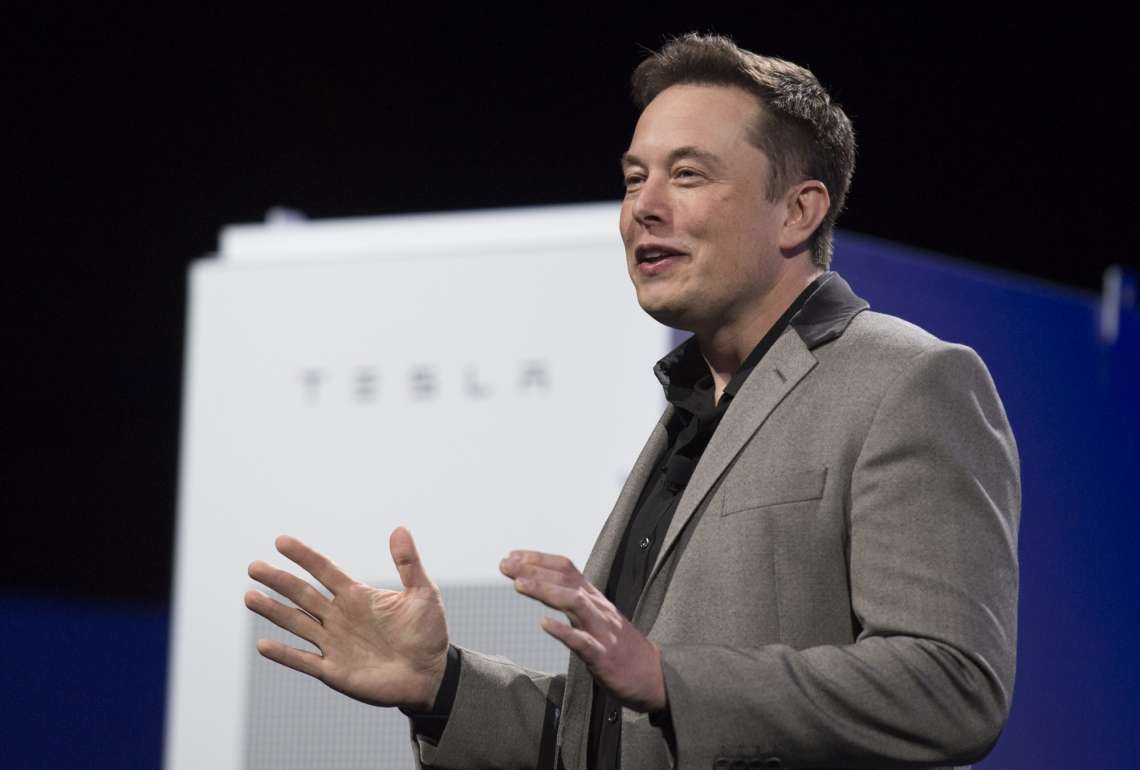
Elon Musk has escalated his public dispute with Indian billionaire Mukesh Ambani over the delayed launch of Starlink’s satellite internet services in India, sarcastically addressing the Reliance Industries chairman as “Prime Minister Ambani” and accusing him of seeking to protect a monopoly.
In a post on X on Friday, the SpaceX and Tesla chief mocked Ambani’s alleged influence over India’s telecom sector and urged him to allow Starlink to compete in the country.
“Dear Prime Minister Ambani, Please accept my humble apologies for not realizing that you are the real boss of India,” Musk wrote.
He alleged that Ambani would prefer to maintain a monopoly and asked whether he would nevertheless consider allowing Starlink to enter the market.
Musk argued that the satellite internet service could help connect underserved parts of India, giving children greater access to education and small businesses opportunities to reach global markets.
He also said Starlink had helped save lives during natural disasters when other communication systems failed, arguing that its services could provide similar benefits in India.
The latest remarks came after Musk questioned why Starlink was still awaiting final regulatory approvals despite spending years complying with Indian laws and requirements.
India rejects Musk’s monopoly allegations
The Indian government has rejected Musk’s suggestion that powerful business interests are blocking Starlink’s entry to protect existing telecom operators.
The Ministry of Communications said on Thursday that India’s regulatory framework for satellite communication services was fair and non-discriminatory, describing claims of unfair treatment as “baseless and misconceived”.
Communications Minister Jyotiraditya Scindia reiterated the government’s position on Friday, saying India did not permit monopolies in any sector and that all companies had to comply with the same regulatory requirements.
Scindia said three licensed satellite communication operators, including Starlink, were at the same stage of the security clearance process. Companies must complete the necessary assessments before proceeding to spectrum allocation and commercial operations.
Starlink has obtained a licence to provide satellite communication services in India, but it has yet to secure all the approvals required to begin commercial operations.
Ambani and Mittal in satellite internet race
The dispute comes as Starlink seeks to enter a market where Reliance Jio, owned by Ambani, and Bharti Airtel, led by Sunil Bharti Mittal, are major players in telecommunications.
Both groups are also pursuing satellite internet opportunities. Jio is developing its own satellite communications business, while Airtel has partnered with Eutelsat OneWeb, another licensed satellite operator.
Musk initially accused unnamed “oligarchs” of obstructing Starlink’s entry to India to preserve their market dominance, without providing evidence for the allegation. He subsequently singled out Ambani by questioning whether the billionaire was the “real boss of India”.
The controversy has also drawn political attention. Congress leader Rahul Gandhi responded to Musk’s earlier remarks by saying, “Welcome to India, Elon. Wait till you discover the other guy,” adding to the debate over the influence of powerful business interests.
Starlink’s entry could expand internet access in remote and underserved areas where conventional broadband infrastructure is difficult or expensive to establish. However, its commercial launch remains dependent on completing India’s regulatory and security requirements.