The 2026 Economics Nobel highlights how household behaviour shapes economic stability, offering lessons for Kerala on tackling energy shocks, protecting vulnerable families and strengthening grassroots governance…writes Teeson C. J
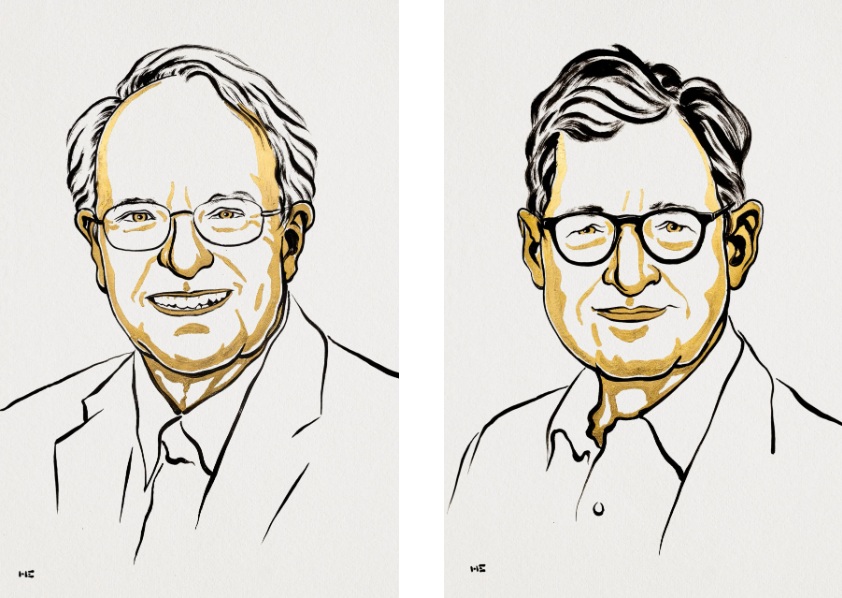
The 2026 Nobel Prize in Economic Sciences, awarded jointly to American Economists Robert E. Hall and Michael Woodford for their pioneering contributions to the microeconomic foundations of macroeconomic stabilisation, offers an important opportunity to rethink the effectiveness of contemporary economic policies. Their research has fundamentally transformed our understanding of how individual households and firms respond to economic fluctuations and how governments and central banks can formulate appropriate stabilisation measures. At a time when economies face inflationary pressures, energy shocks and uncertainties in household consumption, their contributions have particular relevance for developing economies such as India and states such as Kerala.
The central message emerging from their research is that macroeconomic stability cannot be adequately understood merely through aggregate indicators such as inflation, national income, employment and consumption. Rather, these economic outcomes are shaped by the decisions, expectations and constraints of individual households and firms. Understanding these microeconomic foundations enables policymakers to develop more realistic economic models and design timely fiscal and monetary interventions.
Rethinking Macroeconomic Stabilisation
Traditional Keynesian economics emphasised the importance of government intervention in managing fluctuations in aggregate demand, particularly during periods of recession and unemployment. However, the economic disturbances of the 1970s, characterised by simultaneous inflation and stagnation, exposed limitations in conventional macroeconomic models. The relationships among aggregate economic variables were not always stable enough to provide reliable guidance for policy formulation.
The contributions of Hall and Woodford helped address these limitations by incorporating household behaviour, expectations and the decision-making processes of economic agents into macroeconomic analysis. Their contributions strengthened the intellectual foundations of New Keynesian economics and provided policymakers with more systematic tools for understanding economic fluctuations.
An important implication is that economic stabilisation cannot depend exclusively on historical relationships among aggregate variables. Policymakers must also understand how consumers and businesses respond to changing economic circumstances, including fluctuations in income, prices, interest rates and expectations about the future.
Energy Shocks and the Household Budget Crisis
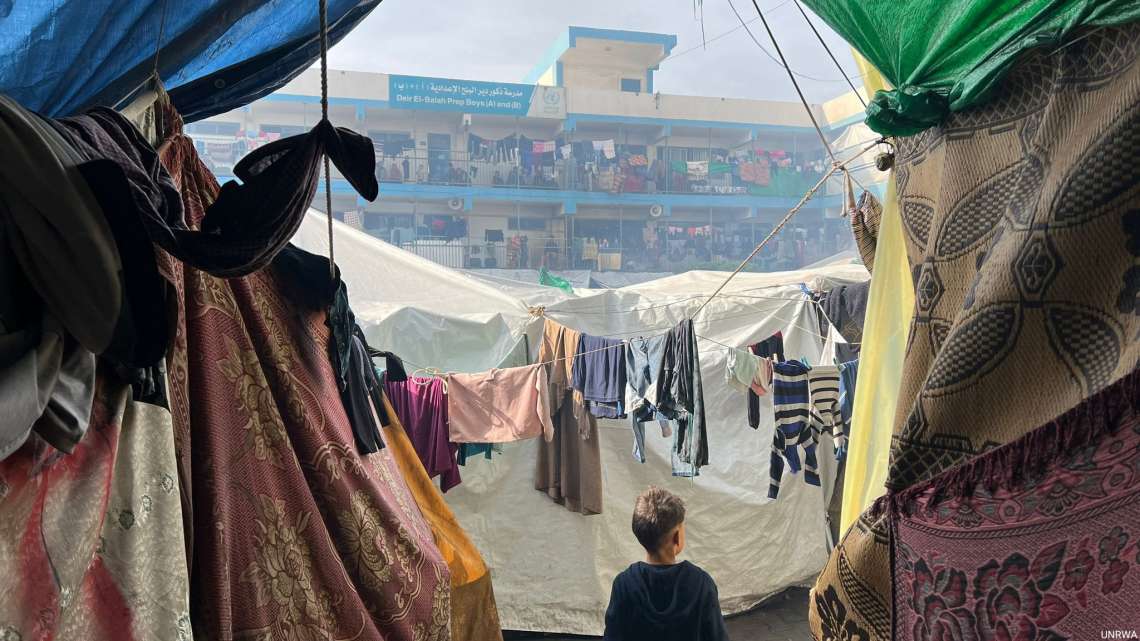
The relevance of these contributions becomes particularly evident in the context of energy shocks arising from geopolitical tensions in West Asia. Disruptions in energy supplies and increases in fuel prices can impose considerable pressure on household expenditure, particularly among low-income and rural households.
Energy is an essential input for transportation, cooking, agricultural production and various livelihood activities. Consequently, an increase in energy prices can generate cascading effects throughout the economy by raising transportation costs, production expenses and the prices of essential commodities.
For economically vulnerable households, higher expenditure on energy and food reduces the income available for other consumption requirements. Families may postpone spending on education, healthcare, household maintenance and other essential services. Such adjustments, when experienced across a large number of households, can weaken aggregate demand and adversely affect retail trade, small enterprises and rural economic activity.
This relationship illustrates an important principle of macroeconomic stabilisation: the effects of an external economic shock depend considerably on how households respond to changing prices, income and expectations.
However, not all households respond identically. Wealthier households may absorb temporary price increases through savings, while poorer households often face severe liquidity constraints. Therefore, the effectiveness of stabilisation policies depends not only on their overall economic impact but also on their distributional consequences.
For Kerala, where household consumption, remittances, service-sector activities and rural livelihoods are closely interconnected, understanding these differences is essential for designing effective responses to economic disturbances.
Decentralised Governance as a Foundation for Responsive Policy
Kerala’s decentralised governance framework offers an important institutional opportunity to translate these economic insights into practical policy interventions.
Gram panchayats and other local self-government institutions are positioned close to the communities they serve. Through participatory planning, local development programmes and household-level information, they can identify socioeconomic vulnerabilities that may remain concealed within state-level economic averages.
The significance of this local governance system becomes clearer when examining multidimensional poverty. Households may experience deprivation simultaneously in education, healthcare, housing, sanitation, drinking water, and energy access. Such deprivation cannot be adequately captured through income measurements alone.
Local governments can play an important role in identifying these overlapping disadvantages and developing interventions that reflect the specific requirements of communities.
However, decentralisation by itself does not guarantee effective outcomes. The quality of local governance depends on administrative capacity, financial resources, public participation, reliable information and mechanisms for evaluating policy effectiveness.
Household surveys, community consultations and assessments of beneficiary perceptions could therefore serve as valuable instruments for strengthening local planning. When integrated with broader economic policy, such information can help bridge the gap between macroeconomic objectives and the actual living conditions of households.
This approach is especially relevant for tribal communities and other socially disadvantaged groups whose economic vulnerabilities may differ substantially from those of the general population.
The broader lesson is that grassroots institutions can complement macroeconomic stabilisation by ensuring that economic interventions reach households facing the greatest difficulties.
Towards an Inclusive Framework for Economic Stability
The 2026 Nobel Prize in Economic Sciences offers a timely reminder that economic stability is ultimately connected to the decisions and welfare of millions of individual households. Inflation, unemployment, declining consumption and economic uncertainty are not merely statistical phenomena; they represent concrete challenges affecting livelihoods, opportunities and living standards.
For Kerala, the policy implications are particularly significant. Addressing energy insecurity, protecting household purchasing power, reducing multidimensional deprivation and strengthening rural economic activity require coordinated interventions supported by reliable evidence. The contributions of Hall and Woodford demonstrate the value of understanding the economy through the behaviour of its constituent agents. Kerala can extend this insight into its development framework by ensuring that household realities inform the design, implementation and evaluation of public policies.
Ultimately, the success of economic stabilisation should not be judged solely by improvements in aggregate economic indicators, but also by the extent to which economic policies protect vulnerable households, reduce deprivation and create opportunities for inclusive development.
(Teeson C. J. is an Assistant Professor of Economics at JAIN (Deemed-to-be University), Off-Campus, Kochi, Kerala, India. His research interests include rural development and local governance. He was a member of the investigation team involved in conducting the Socio-Economic and Caste Census (SECC). He is the author of the book Rubber Cultivation and Industrial Performance: A Case Study of Kerala Economy, published by ACSR (ISBN: 978-81-937718-7-7). He has published articles in various academic journals and presented papers at national and international seminars, conferences, and panel discussions. He has also served as a resource person for several lecture series, including delivering a special lecture on the theoretical foundations of econometrics.)