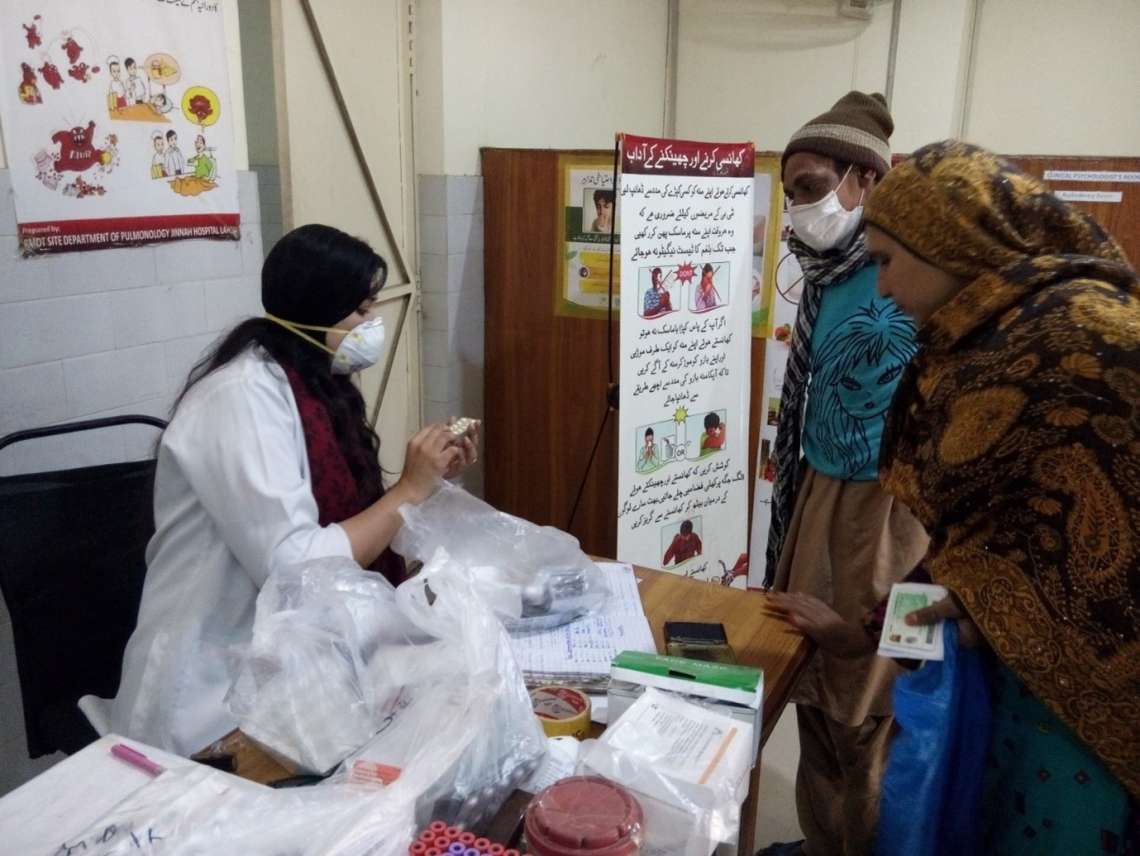
Islamabad’s inability to prevent the rising cases of fatal diseases and provide proper treatment is a matter of international public health security. What could be easily avoided has been allowed to kill thousands of people as well as posing several lives at risk…writes Dr Sakariya Kareem
Pakistan has emerged as the hotbed of infectious diseases, which not only raises concerns about the health of 250 million countrymen but also poses serious risks to global public health. It has topped the global list in terms of hepatitis C cases. It is among the top five countries with the highest tuberculosis burden, even as it has millions of cases of malaria and HIV. Pakistan’s disease burden is alarming. Islamabad’s inability to prevent the rising cases of fatal diseases and provide proper treatment is a matter of international public health security. Diseases do not respect international borders.
The latest data released by Pakistan’s health ministry are worrying and may cause a severe health crisis in the near future. Over 45 million people in the country are suffering from mental disorders, hepatitis B and C, and HIV. Over 95 percent of hepatitis C cases can be cured through vaccines. However, Pakistan has failed to contain it, thanks to the lack of facilities for early diagnosis and treatment. The growing cases of hepatitis C has become an indictment of Pakistan’s public healthcare system.
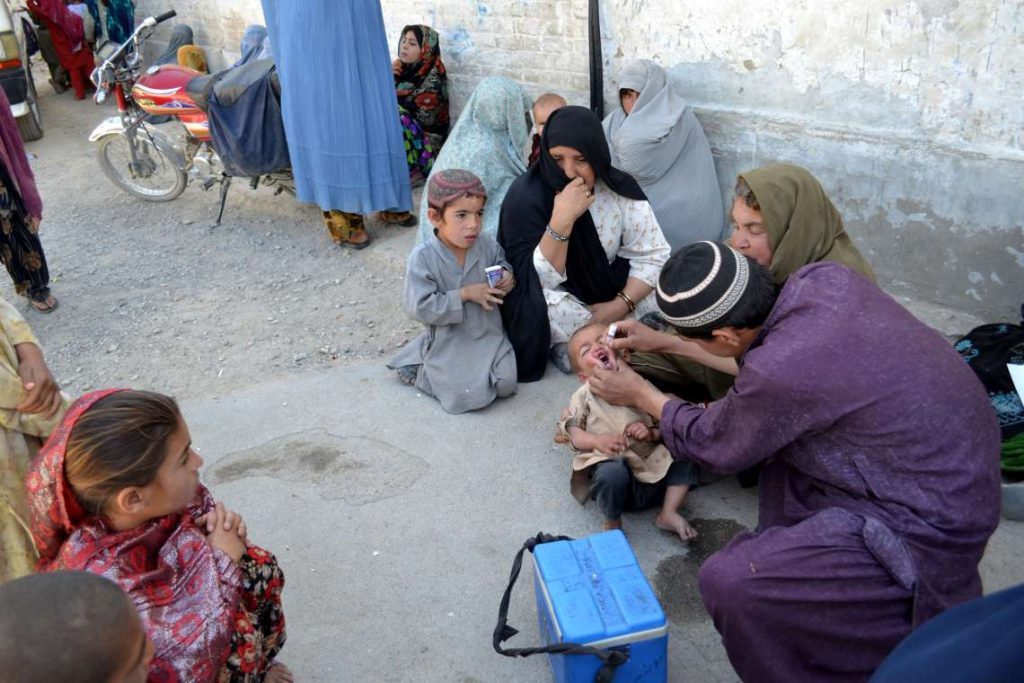
What could be easily avoided has been allowed to kill thousands of people as well as posing several lives at risk. One fifth of hepatitis C patients in the world are living in Pakistan and many of them are completely unaware of their infections. Hepatitis can be easily prevented if basic healthcare precautions are taken. But the Pakistan government has failed to prevent the reuse of non-sterile syringes, improperly sterilised equipment and unscreened blood transfusions. So, none of the big-ticket health programmes and strategies would work if the enforcement remains poor.
Pakistan is one of the few countries where new HIV infections are rising at a significant rate, even as the global trend is moving in the opposite direction. The new infections have increased by 200 percent in past one and half decade. With the fourfold increase, the number of HIV-positive people crossed 417,000 figure in 2026, and about 3,900 HIV-positive children were registered in the past 18 months.
Unsafe medical injections, blood transfusions, and untrained healthcare providers are major drivers of the HIV becoming epidemic of Pakistan. Another major lapse on the government’s part is the inadequacy of testing and treatment facilities in the country. So almost four-fifths of people living with HIV were unaware of being home to the deadly virus and only 16 percent underwent treatment. Pakistan’s HIV crisis should not be viewed as a domestic public health problem but a time bomb posing risk to the entire world.
The Islamabad government has come up with a national strategy to combat the rising cases of HIV, hepatitis and mental disorders. But would it work? The probable answer is no. Because the free screening, diagnosis, treatment, public awareness, and continuous monitoring as envisaged in the strategy are unlikely to happen, given the poor state of healthcare in the country. Pakistan has been struggling to check new cases of polio for years, despite massive international intervention. This makes the hepatitis strategy look futile and useless.
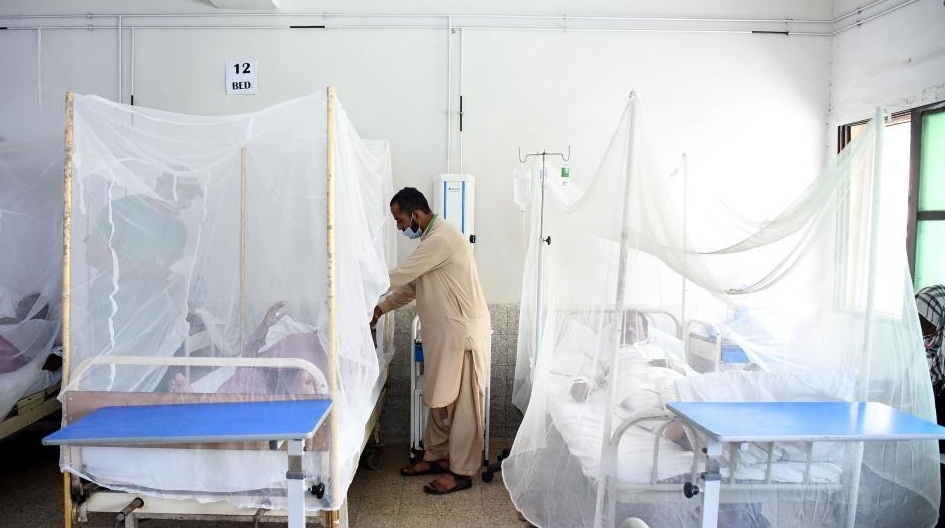
Pakistan has over 32 million people who need treatment for mental health conditions but only 5 percent of them have access to relevant health services. There are just 1,050 psychiatrists in the country, which means just 0.19 psychiatrists per 100,000 people. It is another reflection of Islamabad’s misplaced priorities and governance shortcomings. Leaders of Pakistan boast about their nations being one of the nuclear-armed nations in the world. But the dark side is that it is one of just two countries with active polio cases. The world is not scared of only nuclear bombs falling into Pakistani terrorists but the country exporting poliovirus that the international community had brought under control through massive global eradication efforts.
Can one really believe that Pakistani agencies have the will and capability to screen 164 million people and provide a three-month course of antiviral treatment, when millions of people and children are deprived of basic medical attention and medicines in the country? Pakistan has been losing 48,000 people annually due to hepatitis-related complications. Tragedy seems to be continuing when the Islamabad government’s concerns toward health crises and its past record of managing them are studied. The tragedy is that Pakistani people continue to die from easily curable diseases.
ALSO READ: Escape plans for the rich, despair for Pakistan’s poor