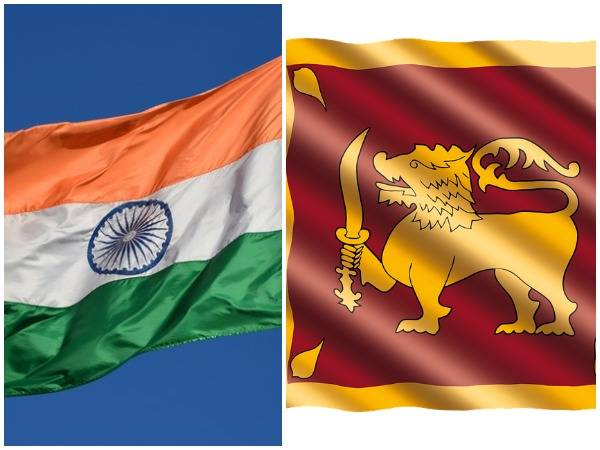
With India emerging as a major global economic power, Sri Lanka is being urged to deepen its economic partnership with its northern neighbour….reports Asian Lite News Desk
Sri Lanka needs to deepen its economic partnership with India to accelerate industrial development, attract investment and create new employment opportunities, as its northern neighbour continues to emerge as a major global economic power, according to an article published in Colombo’s Daily FT newspaper.
The article argues that stronger economic cooperation with India could help Sri Lanka expand its manufacturing capabilities, improve technological expertise and become part of regional industrial supply chains.
It notes that Sri Lanka has historically absorbed external influences without becoming an extension of India. However, contemporary foreign policy discussions often approach closer economic ties with concerns about national sovereignty and unequal power relations.
India’s growing economic influence makes stronger cooperation increasingly important, the article states. According to the International Monetary Fund’s October 2026 projections, India’s nominal gross domestic product is expected to reach approximately $4.06 trillion, with real economic growth projected at 7 per cent.
Measured by purchasing power parity, India’s economy is estimated at nearly $19.2 trillion, accounting for approximately 8.6 per cent of global economic output. This makes India not only South Asia’s largest economy but also an increasingly significant centre of international economic activity.
Can stronger trade ties help Sri Lanka expand its industries?
Trade figures highlight the existing economic relationship between the two countries. Sri Lanka’s exports to India reached approximately $1.04 billion in 2025, while imports from India stood at $4.33 billion, resulting in a merchandise trade deficit of around $3.3 billion.
However, the article argues that a trade deficit does not necessarily indicate economic weakness, particularly when imported machinery and intermediate goods contribute to domestic production.
Instead, the more important consideration is whether trade generates skilled employment, strengthens technological capabilities and helps establish competitive industries in Sri Lanka.
The article suggests that the country should move beyond conventional trade relations and pursue deeper industrial partnerships with Indian companies.
One example is the CEAT–Kelani venture, which manufactures tyres in Sri Lanka and demonstrates how partnerships with Indian businesses can support local industrial development.
The opportunity extends to other manufacturing sectors, particularly automotive components.
According to the Automotive Component Manufacturers Association of India, India’s automotive component industry recorded approximately $85.9 billion in turnover during 2025–26, including $24 billion in exports.
Sri Lanka already has manufacturing capabilities in rubber products, electrical assemblies and specialised automotive components. These existing strengths could help local businesses secure a place in India’s expanding manufacturing networks.
Rather than attempting to match India’s industrial scale, Sri Lankan companies could position themselves as qualified suppliers to Indian manufacturers through internationally recognised certifications, technological partnerships and more efficient logistics.
The article argues that such cooperation could create opportunities for Sri Lankan businesses to participate in regional supply chains while strengthening domestic production capabilities.
It concludes that closer economic engagement with India could offer Sri Lanka a pathway to industrial growth, technological development and greater competitiveness, provided the partnership delivers tangible benefits for its domestic economy.