October 22, 2021
3 mins read

Truss begins India visit; tech, infra deals on cards

The tech and infrastructure deals to be finalised during Truss’ two-day visit are aimed at boosting jobs and increasing green growth…reports Asian Lite News.

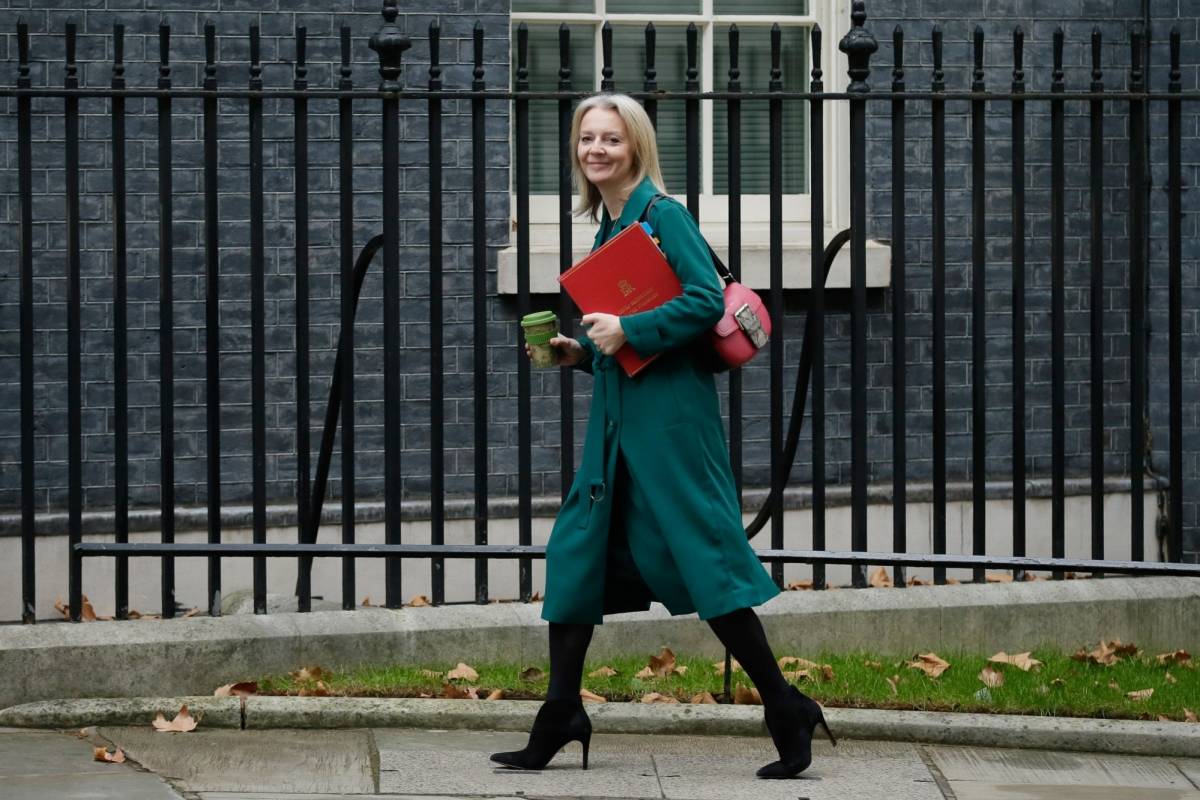
Britain will announce a series of tech and infrastructure deals, including a £50.4 million investment to fund green tech infrastructure projects across India, during foreign secretary Liz Truss’ visit beginning Friday.

As part of the India-UK 10-year roadmap, Truss and her Indian counterpart S Jaishankar will announce the “Strategic Futures Forum”, bringing together leading figures from government, business and academia of both countries to drive closer links in key areas such as tech and security and to shape the long-term, strategic vision for the bilateral partnership.

The tech and infrastructure deals to be finalised during Truss’ two-day visit are aimed at boosting jobs and increasing green growth.

She will unveil the £50.4-million ($70 million) investment by the Foreign, Commonwealth and Development Office’s investment arm CDC to fund green tech infrastructure projects across India through the joint Green Growth Equity Fund.

Truss will also announce an £11.5-million British investment in two venture capital funds aimed at supporting India’s transition to cleaner energy. “Both funds will return a profit to the UK taxpayer and make use of UK expertise,” a statement from the British high commission said.

There will also be an investment of £500,000 by the UK Research and Innovation (UKRI) to build a new virtual network of Indian and British labs working to promote net-zero targets in key industries such as glass, cement, and metals.

In a statement ahead of her arrival in India, Truss said, “I want the UK and India to step up their partnership in critical areas like technology, investment, security and defence. India is the world’s largest democracy, a tech and economic powerhouse and a vital strategic partner for the UK.”

Closer ties between the two countries in areas such as tech and infrastructure “will deliver jobs and growth in both countries, boost developing world economies and help us promote our values on the global stage,” she added.

Truss will also outline agreements to deepen investment ties between the two sides and work together on finance and technical support packages for the developing world.

“The deals include more tech transfer and knowledge sharing with developing countries alongside heavy capital investment – a model that the UK is looking to replicate with partners around the world,” the statement said. These agreements will help drive forward the “Build Back Better World” initiative launched by G7 leaders in June to meet the huge need for clean infrastructure in the developing world.

While India has the third-highest number of tech start-ups in the world, the UK has the third-largest number of tech “unicorns” or start-ups valued at more than $1 billion.

Truss wants to strengthen Britain’s economic, technology and security links with fast-growing economies and like-minded partners and build “a network of liberty” around the globe, the statement said. “Closer ties with like-minded democracies such as India are key to that ambition,” it added.

The Roadmap 2030 for India-UK ties was finalised by Prime Minister Narendra Modi and his British counterpart Boris Johnson at their virtual summit in May.

Besides Jaishankar, Truss will meet environment minister Bhupender Yadav in Delhi to discuss areas for closer collaboration.

During her meeting with Yadav, Truss is also expected to discuss climate targets and underline the importance of making concrete progress on climate change ahead of the COP26 Summit in Glasgow next month. She will note that India already leads the world in renewable technology and express her hope that New Delhi will commit to a “more ambitious Nationally Determined Contribution”.

She will then travel to Mumbai, where she will visit the UK carrier strike group, which is led by Britain’s largest warship, the aircraft carrier HMS Queen Elizabeth.

Truss will also meet Indian business leaders at a Build Back Better World roundtable in Mumbai on Saturday to boost infrastructure in the developing world.

ALSO READ-Truss defends new security deal AUKUS

READ MORE-UK, India in ‘sweet spot’ as trade talks begin, says Truss

Previous Story

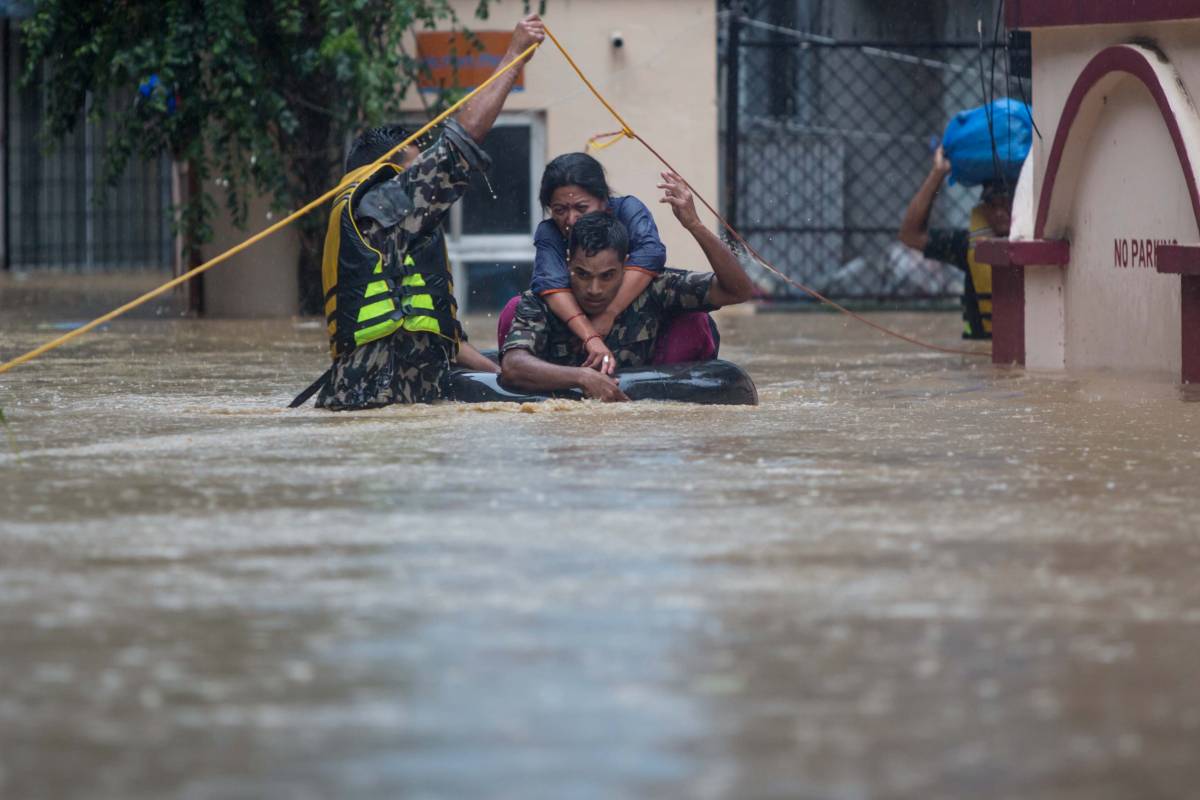
Death toll in Nepal floods reaches 101

Next Story

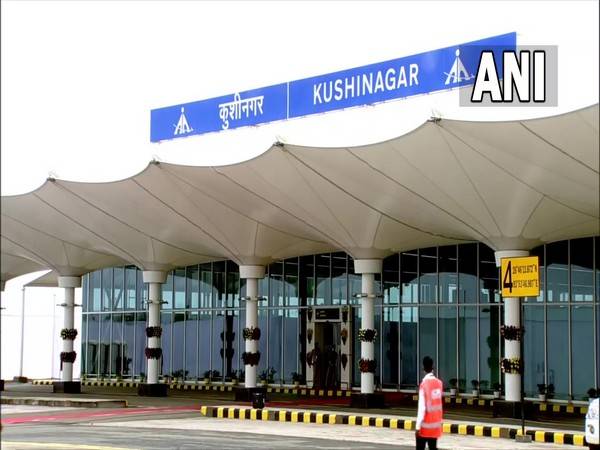
Nepal minister hails Kushinagar airport opening

Previous Story

Death toll in Nepal floods reaches 101

Next Story

Nepal minister hails Kushinagar airport opening

Latest from -Top News

Pakistan Risks Overstretching Itself in Yemen War

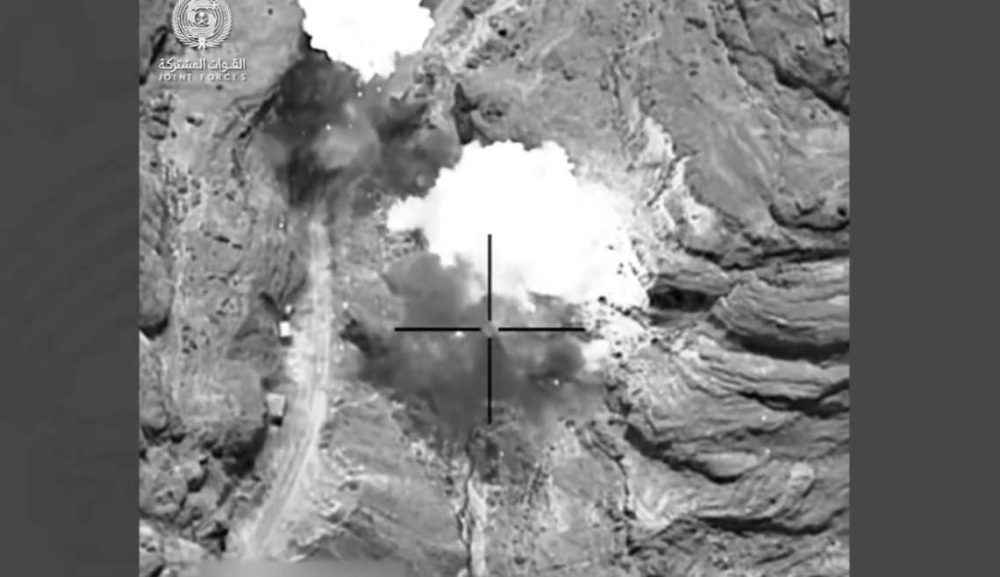
Pakistan’s expanding military role in Saudi Arabia amid the Yemen conflict could strain its defence resources and fragile finances…reports Asian Lite News Desk Pakistan’s military involvement in the war in Yemen may prove unsustainable because of mounting financial pressures and competing security demands, according to a new report. Islamabad’s growing military presence in Saudi Arabia risks stretching its defence resources while exposing the country to greater strategic and economic challenges. An article by Andrew Wilson in One World Outlook describes Pakistan’s involvement as a case of “fiscal and strategic overreach”, arguing that the country lacks the financial flexibility to sustain an expanded military commitment. Pakistan’s external finances depend heavily on an International Monetary Fund (IMF) programme, financial support from Gulf countries and remittances from Pakistani workers in the region. The report argues that deeper military involvement in the conflict could place additional pressure on these sources of financial stability. It also warns that deploying troops and military equipment abroad could weaken Pakistan’s capacity to address security challenges along its eastern border and deal with two domestic insurgencies. The move could also draw Islamabad into a conflict it has sought to approach cautiously. A Reuters report in May, citing Pakistani security and government sources, said Islamabad had deployed around 8,000 troops, a squadron of approximately 16 aircraft, mostly JF-17 fighter jets, two drone squadrons and a Chinese HQ-9 air-defence battery to Saudi Arabia. According to those sources, Riyadh was financing the deployment, with Pakistani personnel operating the equipment. The sources also said a confidential agreement contemplated the possibility of deploying up to 80,000 troops. Islamabad has not confirmed those figures, although it has acknowledged its military presence in Saudi Arabia, including the deployment of fighter jets at King Abdulaziz Air Base from April. The One World Outlook article argues that Saudi financial support can cover allowances and operating expenses but cannot easily replace military equipment needed elsewhere or resolve the political and strategic challenges of participating in the Yemen conflict. Pakistan’s defence budget is another concern. For the 2026-27 financial year, the federal government allocated PKR 3 trillion, or approximately $10.8 billion, to defence services. The allocation represents an 18 per cent increase from the original PKR 2.55 trillion provision and amounts to around 2.1 per cent of projected gross domestic product (GDP). Defence spending accounts for approximately 16 per cent of the federal government’s PKR 18.8 trillion expenditure. Military pensions are budgeted separately at PKR 822 billion, while debt servicing costs stand at approximately PKR 8 trillion, more than two-and-a-half times the defence allocation. The report argues that these competing financial obligations leave little room for additional military expenditure without placing further pressure on public finances. Pakistan’s reliance on IMF assistance also limits its fiscal flexibility. The country must meet the conditions attached to the programme, including a primary budget surplus target of 2 per cent of GDP and continued restraint on development spending. According to the article, these requirements make it difficult for Islamabad to finance an additional military commitment without compromising other budgetary priorities. Pakistan’s economic indicators offer limited reassurance. Economic growth for the 2025-26 financial year is estimated at between 3.6 and 3.7 per cent, while inflation reached approximately 10.3 per cent in September following an energy price shock. Foreign exchange reserves stood at around $21.5 billion at the end of September. Although this marks an improvement from the low levels recorded in 2023, the report notes that the reserves cover only a few months of imports. Financial assistance from Gulf partners remains central to Pakistan’s external stability. The article says Islamabad holds approximately $8 billion in Saudi deposits at its central bank. In July, the State Bank of Pakistan said Riyadh had extended the maturity of $5 billion in deposits to December 2028, easing the country’s immediate external financing requirements. A further $3 billion deposit was also extended in the spring. However, the article argues that these arrangements provide temporary relief rather than long-term financial independence, particularly as regional conflict threatens the stability of the Gulf economies on which Pakistan relies. The report concludes that Pakistan faces a difficult balance between supporting Saudi Arabia militarily and preserving the financial and military resources needed to address its domestic and regional challenges.
Go toTop

Don't Miss

Steps to stem attack on parents

Major new research, published by London’s VRU, found that immense

Blinken backs India on Russia ties

Blinken said there is a growing strategic convergence between the