October 28, 2021
4 mins read

Sunak delivers Budget for stronger economy

A new temporary business rates relief for the hospitality industry, a freeze on fuel and alcohol duties and increasing the country’s National Living Wage to GBP 9.50 from April 2022, were among some of the key announcements, reports Asian Lite News

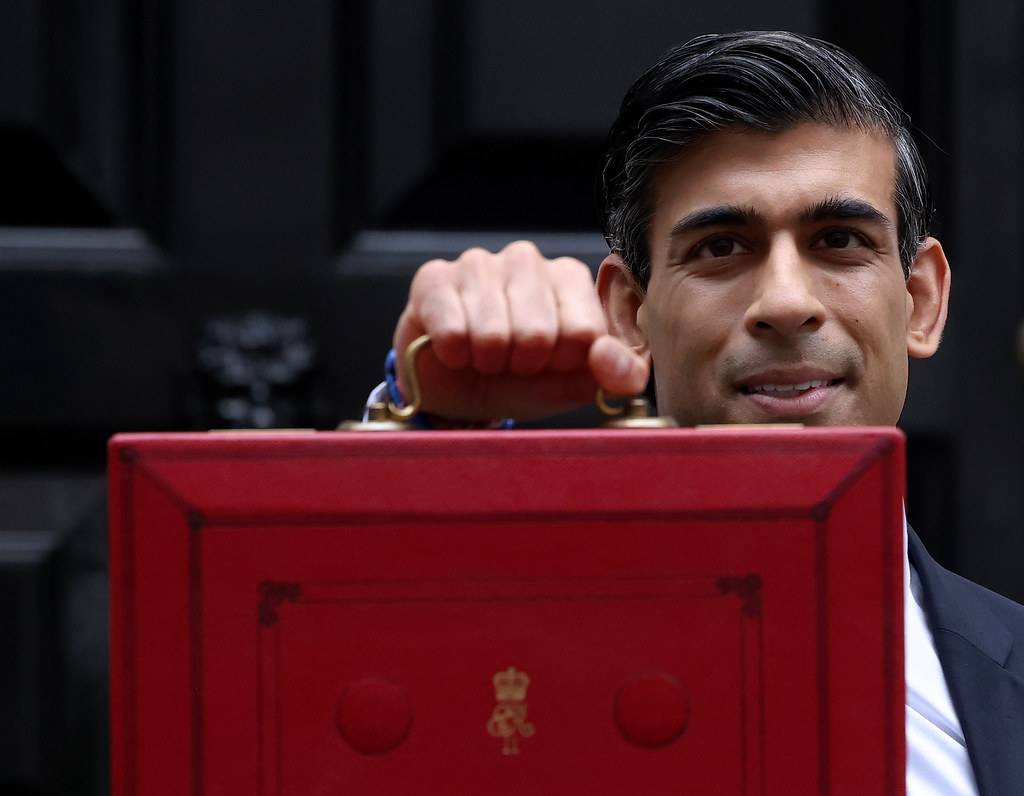
Chancellor of the Exchequer Rishi Sunak delivered his Autumn Budget to the House of Commons on Wednesday, with the promise of delivering stronger growth for the pandemic-hit British economy.

While warning of some ‘challenging months’ ahead with inflation expected to rise, the minister unveiled an extra GBP 150 billion investment as part of the Budget and Spending Review.

A new temporary business rates relief for the hospitality industry, a freeze on fuel and alcohol duties and increasing the country’s National Living Wage to GBP 9.50 from April 2022, were among some of the key announcements.

“Today’s Budget delivers a stronger economy for the British people: stronger growth, with the UK economy recovering faster than our major competitors. Stronger public finances, with our national debt finally under control. Stronger employment, with fewer people out of work and more people in work. Growth up, jobs up, and debt down: let there be no doubt our plan is working,” said Sunak.

Sunak, in charge of Britain’s economic response to the pandemic, said the Budget was designed to create jobs, improve skills, tackle health service backlogs, put more police on the streets, and build new homes, hospitals, and schools.

The Treasury said its latest figures show that the economy is on track to reach pre-pandemic levels by early next year, with unemployment peaking at less than half what was initially predicted.

Among some of the measures expected to prove popular include an end to a duty premium on sparkling wines and a cut in the cost of a pint of beer of 3 pence.

“Over the last decade, consumption of sparkling wines like prosecco has doubled. English sparkling wine alone has increased almost tenfold. It’s clear they are no longer the preserve of wealthy elites,” noted Sunak, himself a teetotaller.

“And they’re no stronger than still wines. So, I’m going to end the irrational duty premium of 28 per cent that they currently pay. Sparkling wines wherever they are produced will now pay the same duty as still wines of equivalent strength,” he said.

Sunak announced GBP 5.9 billion to tackle the National Health Service (NHS) backlog of non-emergency tests and procedures, modernise digital technology and ensure there are at least 100 community diagnostic centres to help people across England get health checks, scans and tests closer to their homes.

Support for education

To support pupils and teachers, he announced an additional GBP 4.7 billion invested in the core schools budget in England. To boost wages, skills funding will increase by a total over the Parliament of GBP 3.8 billion compared to 2019-20. And, for parents, he said GBP 302 million will fund new early years programmes including bespoke breastfeeding services and parent-infant mental support, and funding to rollout Family Hubs across England.
Sunak said, “The evidence is compelling that the first 1,001 days of a child’s life are the most important. We’re confirming GBP 150mn to support training and development for the entire early years workforce. To help up to 300,000 more families facing multiple needs, we’re investing an extra GBP 200mn in the Supporting Families programme. And we will provide over GBP 200mn a year to continue the holiday activity and food programme.”

Opposition slams Budget

The Opposition Labour Party, represented by Shadow Chancellor Rachel Reeves in place of party Leader Keir Starmer who is self-isolating after testing positive for Covid-19, responded to the Budget as asking British people “to pay so much for so little.”

With reference to the duty cut on sparkling wines and air passenger duty on domestic flights, Reeves shot back: “At least the bankers on short haul flights sipping champagne will be cheering today. Never has a Chancellor asked the British people to pay so much for so little. This country deserves better.”

The Opposition welcomed the increase in the minimum wage but said the government needed to go “further and faster” and should have moved to a rise of at least GBP 10 an hour.

ALSO READ-All eyes on Sunak ahead of Budget 2021

READ MORE-Sunak on spending spree ahead of Budget

Previous Story

Pharma sector is our religion: Mandaviya

Next Story

Kashmir-made willow bat makes to ICC T20 World Cup

Previous Story

Pharma sector is our religion: Mandaviya

Next Story

Kashmir-made willow bat makes to ICC T20 World Cup

Latest from -Top News

Pakistan Risks Overstretching Itself in Yemen War

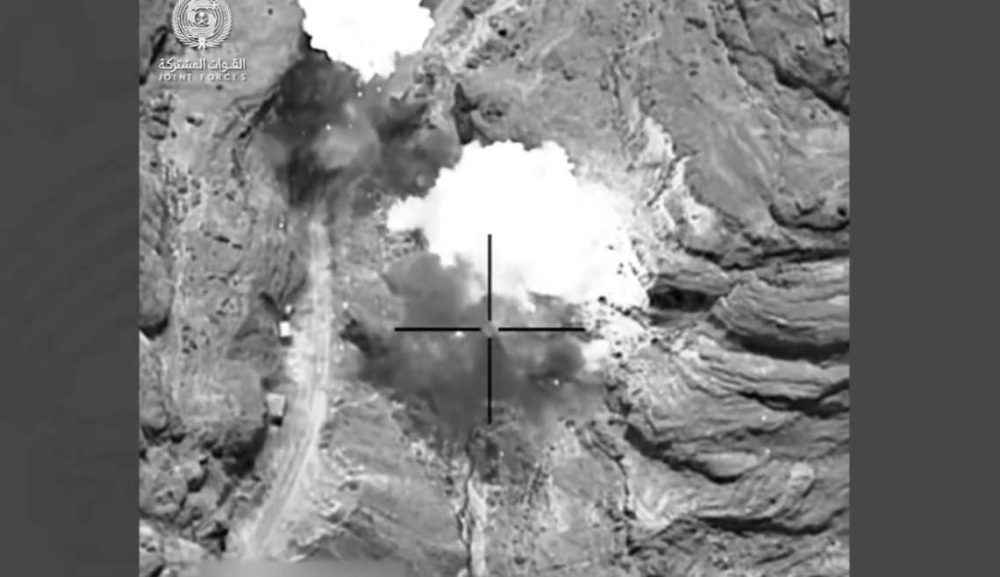
Pakistan’s expanding military role in Saudi Arabia amid the Yemen conflict could strain its defence resources and fragile finances…reports Asian Lite News Desk Pakistan’s military involvement in the war in Yemen may prove unsustainable because of mounting financial pressures and competing security demands, according to a new report. Islamabad’s growing military presence in Saudi Arabia risks stretching its defence resources while exposing the country to greater strategic and economic challenges. An article by Andrew Wilson in One World Outlook describes Pakistan’s involvement as a case of “fiscal and strategic overreach”, arguing that the country lacks the financial flexibility to sustain an expanded military commitment. Pakistan’s external finances depend heavily on an International Monetary Fund (IMF) programme, financial support from Gulf countries and remittances from Pakistani workers in the region. The report argues that deeper military involvement in the conflict could place additional pressure on these sources of financial stability. It also warns that deploying troops and military equipment abroad could weaken Pakistan’s capacity to address security challenges along its eastern border and deal with two domestic insurgencies. The move could also draw Islamabad into a conflict it has sought to approach cautiously. A Reuters report in May, citing Pakistani security and government sources, said Islamabad had deployed around 8,000 troops, a squadron of approximately 16 aircraft, mostly JF-17 fighter jets, two drone squadrons and a Chinese HQ-9 air-defence battery to Saudi Arabia. According to those sources, Riyadh was financing the deployment, with Pakistani personnel operating the equipment. The sources also said a confidential agreement contemplated the possibility of deploying up to 80,000 troops. Islamabad has not confirmed those figures, although it has acknowledged its military presence in Saudi Arabia, including the deployment of fighter jets at King Abdulaziz Air Base from April. The One World Outlook article argues that Saudi financial support can cover allowances and operating expenses but cannot easily replace military equipment needed elsewhere or resolve the political and strategic challenges of participating in the Yemen conflict. Pakistan’s defence budget is another concern. For the 2026-27 financial year, the federal government allocated PKR 3 trillion, or approximately $10.8 billion, to defence services. The allocation represents an 18 per cent increase from the original PKR 2.55 trillion provision and amounts to around 2.1 per cent of projected gross domestic product (GDP). Defence spending accounts for approximately 16 per cent of the federal government’s PKR 18.8 trillion expenditure. Military pensions are budgeted separately at PKR 822 billion, while debt servicing costs stand at approximately PKR 8 trillion, more than two-and-a-half times the defence allocation. The report argues that these competing financial obligations leave little room for additional military expenditure without placing further pressure on public finances. Pakistan’s reliance on IMF assistance also limits its fiscal flexibility. The country must meet the conditions attached to the programme, including a primary budget surplus target of 2 per cent of GDP and continued restraint on development spending. According to the article, these requirements make it difficult for Islamabad to finance an additional military commitment without compromising other budgetary priorities. Pakistan’s economic indicators offer limited reassurance. Economic growth for the 2025-26 financial year is estimated at between 3.6 and 3.7 per cent, while inflation reached approximately 10.3 per cent in September following an energy price shock. Foreign exchange reserves stood at around $21.5 billion at the end of September. Although this marks an improvement from the low levels recorded in 2023, the report notes that the reserves cover only a few months of imports. Financial assistance from Gulf partners remains central to Pakistan’s external stability. The article says Islamabad holds approximately $8 billion in Saudi deposits at its central bank. In July, the State Bank of Pakistan said Riyadh had extended the maturity of $5 billion in deposits to December 2028, easing the country’s immediate external financing requirements. A further $3 billion deposit was also extended in the spring. However, the article argues that these arrangements provide temporary relief rather than long-term financial independence, particularly as regional conflict threatens the stability of the Gulf economies on which Pakistan relies. The report concludes that Pakistan faces a difficult balance between supporting Saudi Arabia militarily and preserving the financial and military resources needed to address its domestic and regional challenges.
Go toTop

Don't Miss

Shehbaz extends stay in London

Family sources said that the Prime Minister could stay in

National recognition for H&F’s inclusive services 

The recognition comes after an in-depth review of H&F’s Local