April 25, 2023
3 mins read

Sunak goes live on LinkedIn to push growth plans

The government also referenced plans for new trade deals, including a free trade agreement (FTA) being negotiated with India, as part of this economic growth strategy…reports Asian Lite News

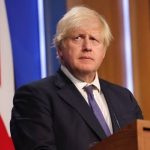
Prime Minister Rishi Sunak on Monday joined a live question and answer session with a range of UK businesses as part of a new Business Connect programme, which he says will promote his economic growth priority and optimise the conditions for businesses in the country to thrive.

Over 200 of the UK’s highest-profile CEOs and business leaders, representing key growth sectors, including tech, life sciences and advanced manufacturing, gathered in London for the first Business Connect event to hear directly from Rishi Sunak.

It came as Downing Street released the latest figures to show that 1,800 jobs a month have been created since October 2022 – the month Rishi Sunak took charge in the wake of a disastrous mini-Budget which resulted in predecessor Liz Truss being deposed as Prime Minister.

“Since taking office, I’ve spoken to over 1,000 business people – because they are the innovators and change-makers at the heart of our economy, supporting jobs, attracting investment and driving growth,” said Sunak.

“Business Connect provides the next fantastic opportunity to demonstrate how we are growing the economy. We are bringing together some of the UK’s biggest companies and investors for meaningful dialogue – and I’m a prime minister passionate about working with business to unlock opportunity and progress,” he said.

The British-Indian leader said the UK should be proud of its business credentials and pointed to the creation of 162 tech unicorns, smarter regulation and world-leading universities as the “right ingredients” to double down on growing the economy.

Alongside, Sunak also unveiled new GBP 100 million in initial start-up funding for a new task force responsible for accelerating the UK’s capability in the rapidly-emerging types of artificial intelligence (AI). The Foundation Model Taskforce, modelled on the success of the COVID-19 Vaccines Taskforce, will develop the safe and reliable use of AI across the economy and ensure the UK is globally competitive in this strategic technology.

“Harnessing the potential of AI provides enormous opportunities to grow our economy, create better-paid jobs, and build a better future through advances in healthcare and security. By investing in emerging technologies through our new expert taskforce, we can continue to lead the way in developing safe and trustworthy AI as part of shaping a more innovative UK economy,” added Sunak.

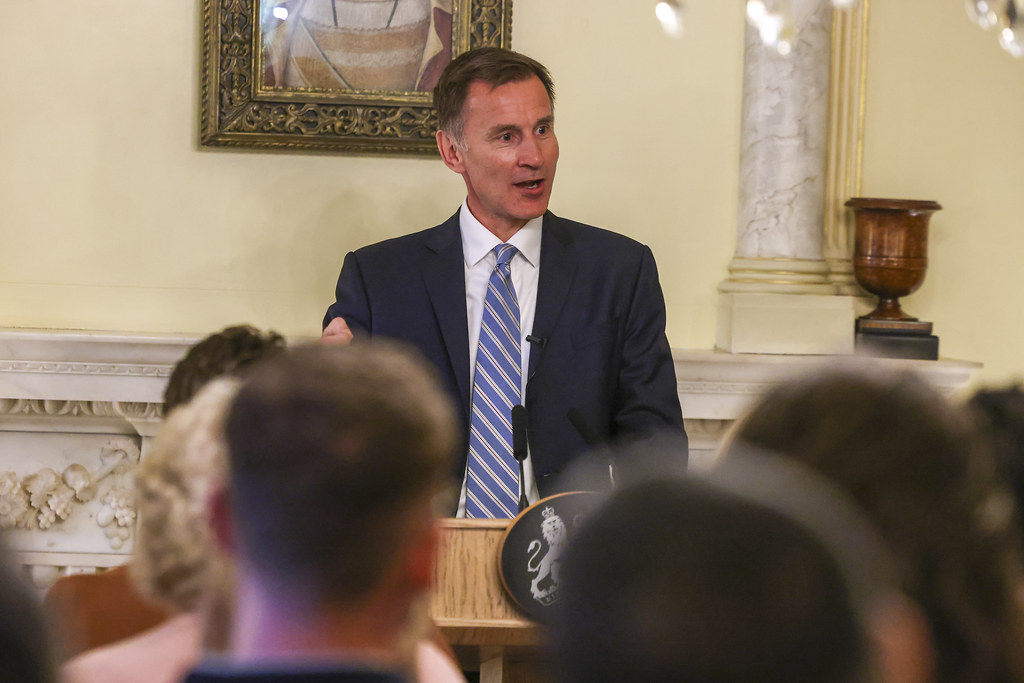
As part of long-term plans to create a more innovative UK economy, the UK government added a new “innovation” category at the Great British Entrepreneur Awards, to be hosted by UK Chancellor Jeremy Hunt at Downing Street on Monday evening. The new award will recognise bright and innovative ideas that deliver new products and services and can drive our economy forward.

“It’s absolutely vital that we’re listening to – and working with – industry leaders, innovators and disruptors as we deliver on our priority to grow the economy,” said Hunt.

The government also referenced plans for new trade deals, including a free trade agreement (FTA) being negotiated with India, as part of this economic growth strategy.

“By securing high-quality trade deals, scrapping market access barriers around the world and cutting needless red tape that holds businesses back, I will ensure the UK remains one of the best places in the world to start and grow a business,” said UK Business Secretary Kemi Badenoch.

Several British businesses have expressed their support for the government’s Business Connect initiative, designed as a platform for businesses to discuss the UK’s growth plans and the role of technology.

“The UK continues to be a prominent financial centre that sits at the heart of global capital markets, and Barclays continues to support the UK government’s ambitious plans to drive prosperity and economic growth for people and businesses here in the UK and beyond,” said C.S. Venkatakrishnan, the Indian American Group Chief Executive of Barclays.

ALSO READ-Sunak launches charm offensive on business leaders

Previous Story

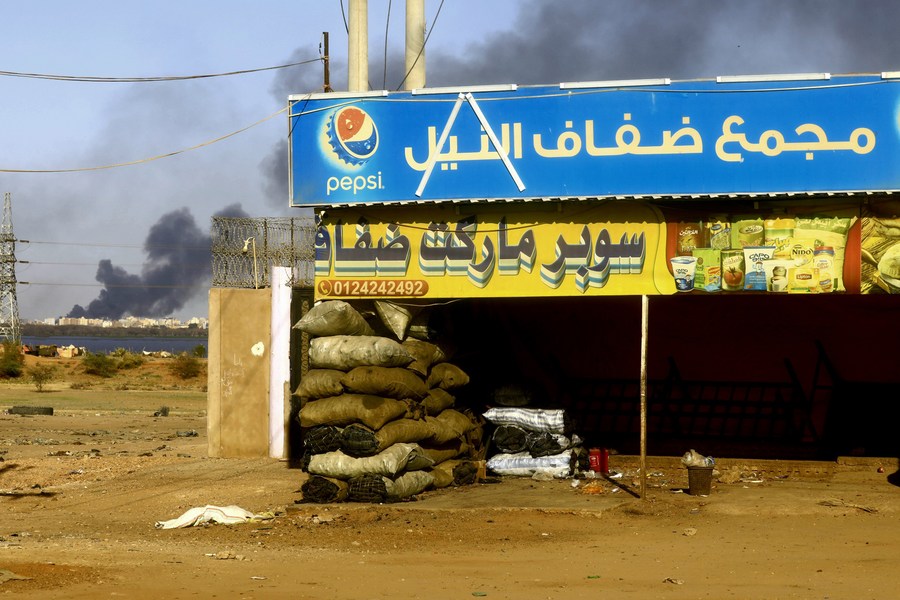
RAF plane lands in Sudan as UK begins evacuations

Next Story

Hunt admits UK business taxes are too high

Previous Story

RAF plane lands in Sudan as UK begins evacuations

Next Story

Hunt admits UK business taxes are too high

Latest from -Top News

Pakistan Risks Overstretching Itself in Yemen War

Pakistan’s expanding military role in Saudi Arabia amid the Yemen conflict could strain its defence resources and fragile finances…reports Asian Lite News Desk Pakistan’s military involvement in the war in Yemen may prove unsustainable because of mounting financial pressures and competing security demands, according to a new report. Islamabad’s growing military presence in Saudi Arabia risks stretching its defence resources while exposing the country to greater strategic and economic challenges. An article by Andrew Wilson in One World Outlook describes Pakistan’s involvement as a case of “fiscal and strategic overreach”, arguing that the country lacks the financial flexibility to sustain an expanded military commitment. Pakistan’s external finances depend heavily on an International Monetary Fund (IMF) programme, financial support from Gulf countries and remittances from Pakistani workers in the region. The report argues that deeper military involvement in the conflict could place additional pressure on these sources of financial stability. It also warns that deploying troops and military equipment abroad could weaken Pakistan’s capacity to address security challenges along its eastern border and deal with two domestic insurgencies. The move could also draw Islamabad into a conflict it has sought to approach cautiously. A Reuters report in May, citing Pakistani security and government sources, said Islamabad had deployed around 8,000 troops, a squadron of approximately 16 aircraft, mostly JF-17 fighter jets, two drone squadrons and a Chinese HQ-9 air-defence battery to Saudi Arabia. According to those sources, Riyadh was financing the deployment, with Pakistani personnel operating the equipment. The sources also said a confidential agreement contemplated the possibility of deploying up to 80,000 troops. Islamabad has not confirmed those figures, although it has acknowledged its military presence in Saudi Arabia, including the deployment of fighter jets at King Abdulaziz Air Base from April. The One World Outlook article argues that Saudi financial support can cover allowances and operating expenses but cannot easily replace military equipment needed elsewhere or resolve the political and strategic challenges of participating in the Yemen conflict. Pakistan’s defence budget is another concern. For the 2026-27 financial year, the federal government allocated PKR 3 trillion, or approximately $10.8 billion, to defence services. The allocation represents an 18 per cent increase from the original PKR 2.55 trillion provision and amounts to around 2.1 per cent of projected gross domestic product (GDP). Defence spending accounts for approximately 16 per cent of the federal government’s PKR 18.8 trillion expenditure. Military pensions are budgeted separately at PKR 822 billion, while debt servicing costs stand at approximately PKR 8 trillion, more than two-and-a-half times the defence allocation. The report argues that these competing financial obligations leave little room for additional military expenditure without placing further pressure on public finances. Pakistan’s reliance on IMF assistance also limits its fiscal flexibility. The country must meet the conditions attached to the programme, including a primary budget surplus target of 2 per cent of GDP and continued restraint on development spending. According to the article, these requirements make it difficult for Islamabad to finance an additional military commitment without compromising other budgetary priorities. Pakistan’s economic indicators offer limited reassurance. Economic growth for the 2025-26 financial year is estimated at between 3.6 and 3.7 per cent, while inflation reached approximately 10.3 per cent in September following an energy price shock. Foreign exchange reserves stood at around $21.5 billion at the end of September. Although this marks an improvement from the low levels recorded in 2023, the report notes that the reserves cover only a few months of imports. Financial assistance from Gulf partners remains central to Pakistan’s external stability. The article says Islamabad holds approximately $8 billion in Saudi deposits at its central bank. In July, the State Bank of Pakistan said Riyadh had extended the maturity of $5 billion in deposits to December 2028, easing the country’s immediate external financing requirements. A further $3 billion deposit was also extended in the spring. However, the article argues that these arrangements provide temporary relief rather than long-term financial independence, particularly as regional conflict threatens the stability of the Gulf economies on which Pakistan relies. The report concludes that Pakistan faces a difficult balance between supporting Saudi Arabia militarily and preserving the financial and military resources needed to address its domestic and regional challenges.
Go toTop

Don't Miss

UK to continue evacuation despite Kabul blasts

Two explosions took place at the Kabul airport on Thursday

UK govt to look into Youtube gathering child data  

Britain’s Information Commissioner’s Office (ICO) said it would consider the