December 27, 2023
3 mins read

‘Regulatory mismatch in services sector challenge for India-UK FTA’

An expert, on condition of anonymity, said that India’s restriction over brand based retail is not easily understood by foreign players….reports Asian Lite News

Lack of regulatory alignment with global standards in the service sector and resistance to foreign competition are among the chief deterrents in India’s efforts to strike deals with global services leaders such as the European Union and the United Kingdom (UK) that could boost services jobs in the country.

However, India is on the “same page” with free trade agreement (FTA) partners on movement of business professionals as there is a strong demand for Indian professionals in the UK and European businesses too, the official said, adding that India needs business mobility for smooth movement of goods and services and “nobody is disputing it”. Trade deals in the service sector assumes significance as India’s service sector contributes over 50 per cent to the gross domestic product but the growth has not been inclusive as the sector absorbs less than a third of the Indian workforce largely due to outdated regulations and barriers on foreign direct investment (FDI).

“A lot of integration happens when you sign a deal in services. It has a multiplier effect. It has the potential to boost overall economic activity. But there is a lot of resistance in opening up. India’s approach was calibrated ten years back but we have also been reticent. Integration will yield limited gains if we are too reticent,” the official said.

Citing the example of legal services that continue to resist opening the sector, the official said that if a British law firm starts a firm in India, it will offer employment to graduates coming out of India law colleges that find limited opportunities.

“When our workforce gets an exposure to an international law firm, they will get jobs anywhere in the world. Indian multinationals seeking legal services also find it difficult to get it. There are only six to seven law firms who control the business. They charge hefty money. Any service if they are opened in both ways, huge young talent will get better opportunities,” the official added.

Arpita Mukherjee, a professor at ICRIER said: “During our study for Invest India, we found restrictions and requirements put in place for FDI inflows has been a concern for a number of our trade partners as it adversely impacts their global business model. This may adversely impact market access negotiating in an FTA as our policy looks more restrictive than in practice. For each of the sectors, there is a need to revamp the FDI regulation”.

An expert, on condition of anonymity, said that India’s restriction over brand based retail is not easily understood by foreign players. “Such a structure is not in line with globally followed norms. While there is no cap on FDI in single brand retail trading in India, there is 51per cent cap on multi-brand retail in India along with multiple riders,” the expert added. “Another restriction that has been a concern for foreign players is in e-commerce. While India allows a marketplace based model of e-commerce where the e-commerce entity acts as a facilitator between buyer and seller, we restrict, inventory based model of e-commerce where inventory of goods and services is owned by the e-commerce entity and is sold to the consumers directly,” the expert said.

As per official data, the share of gross FDI equity inflows into the services sector is skewed in favour of one sector. While the computer software and hardware sector receives 42.59 per cent of the total FDI in services, the share of retail trading stands at 1.38 per cent. The share is as low as 0.25 per cent for agriculture services, 1.97 per cent in hospitals and diagnostic centers category and 0.91 per cent in consultancy services category.

ALSO READ: UK to increase family visa salary requirement in stages

Previous Story

UK economy faces another tough year ahead

Next Story

Cameron throws weight behind Rwanda Bill  

Previous Story

UK economy faces another tough year ahead

Next Story

Cameron throws weight behind Rwanda Bill  

Latest from -Top News

Pakistan Risks Overstretching Itself in Yemen War

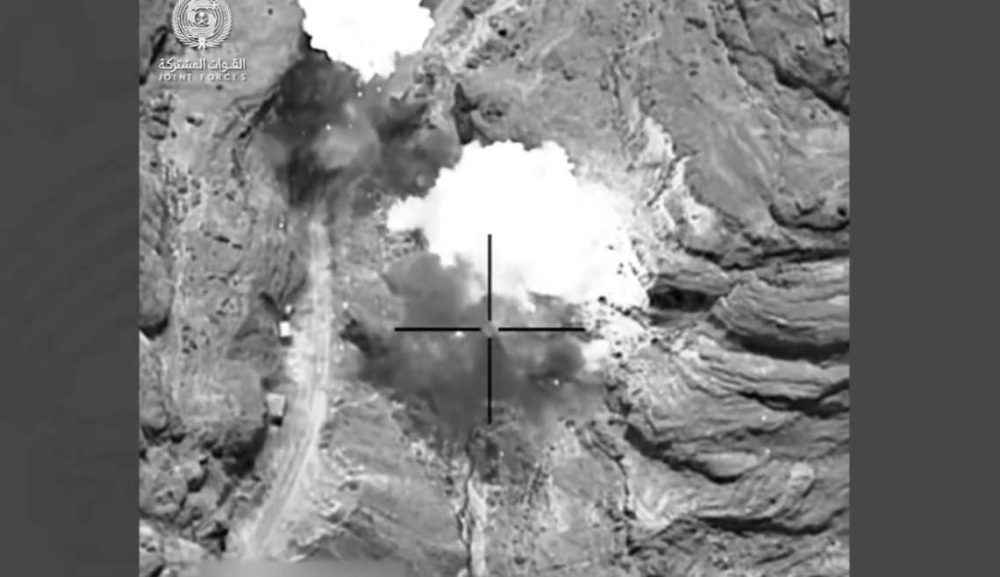
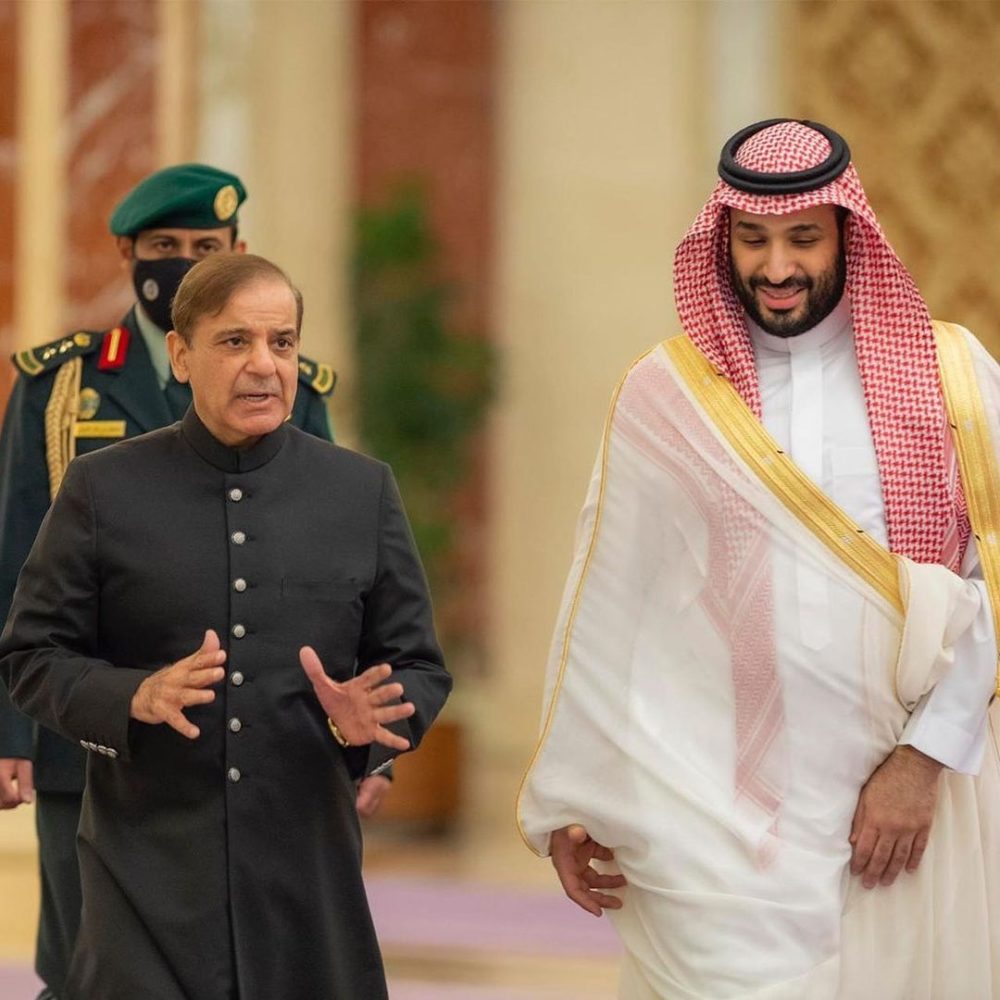
Pakistan’s expanding military role in Saudi Arabia amid the Yemen conflict could strain its defence resources and fragile finances…reports Asian Lite News Desk Pakistan’s military involvement in the war in Yemen may prove unsustainable because of mounting financial pressures and competing security demands, according to a new report. Islamabad’s growing military presence in Saudi Arabia risks stretching its defence resources while exposing the country to greater strategic and economic challenges. An article by Andrew Wilson in One World Outlook describes Pakistan’s involvement as a case of “fiscal and strategic overreach”, arguing that the country lacks the financial flexibility to sustain an expanded military commitment. Pakistan’s external finances depend heavily on an International Monetary Fund (IMF) programme, financial support from Gulf countries and remittances from Pakistani workers in the region. The report argues that deeper military involvement in the conflict could place additional pressure on these sources of financial stability. It also warns that deploying troops and military equipment abroad could weaken Pakistan’s capacity to address security challenges along its eastern border and deal with two domestic insurgencies. The move could also draw Islamabad into a conflict it has sought to approach cautiously. A Reuters report in May, citing Pakistani security and government sources, said Islamabad had deployed around 8,000 troops, a squadron of approximately 16 aircraft, mostly JF-17 fighter jets, two drone squadrons and a Chinese HQ-9 air-defence battery to Saudi Arabia. According to those sources, Riyadh was financing the deployment, with Pakistani personnel operating the equipment. The sources also said a confidential agreement contemplated the possibility of deploying up to 80,000 troops. Islamabad has not confirmed those figures, although it has acknowledged its military presence in Saudi Arabia, including the deployment of fighter jets at King Abdulaziz Air Base from April. The One World Outlook article argues that Saudi financial support can cover allowances and operating expenses but cannot easily replace military equipment needed elsewhere or resolve the political and strategic challenges of participating in the Yemen conflict. Pakistan’s defence budget is another concern. For the 2026-27 financial year, the federal government allocated PKR 3 trillion, or approximately $10.8 billion, to defence services. The allocation represents an 18 per cent increase from the original PKR 2.55 trillion provision and amounts to around 2.1 per cent of projected gross domestic product (GDP). Defence spending accounts for approximately 16 per cent of the federal government’s PKR 18.8 trillion expenditure. Military pensions are budgeted separately at PKR 822 billion, while debt servicing costs stand at approximately PKR 8 trillion, more than two-and-a-half times the defence allocation. The report argues that these competing financial obligations leave little room for additional military expenditure without placing further pressure on public finances. Pakistan’s reliance on IMF assistance also limits its fiscal flexibility. The country must meet the conditions attached to the programme, including a primary budget surplus target of 2 per cent of GDP and continued restraint on development spending. According to the article, these requirements make it difficult for Islamabad to finance an additional military commitment without compromising other budgetary priorities. Pakistan’s economic indicators offer limited reassurance. Economic growth for the 2025-26 financial year is estimated at between 3.6 and 3.7 per cent, while inflation reached approximately 10.3 per cent in September following an energy price shock. Foreign exchange reserves stood at around $21.5 billion at the end of September. Although this marks an improvement from the low levels recorded in 2023, the report notes that the reserves cover only a few months of imports. Financial assistance from Gulf partners remains central to Pakistan’s external stability. The article says Islamabad holds approximately $8 billion in Saudi deposits at its central bank. In July, the State Bank of Pakistan said Riyadh had extended the maturity of $5 billion in deposits to December 2028, easing the country’s immediate external financing requirements. A further $3 billion deposit was also extended in the spring. However, the article argues that these arrangements provide temporary relief rather than long-term financial independence, particularly as regional conflict threatens the stability of the Gulf economies on which Pakistan relies. The report concludes that Pakistan faces a difficult balance between supporting Saudi Arabia militarily and preserving the financial and military resources needed to address its domestic and regional challenges.
Go toTop

Don't Miss

Afghan Embassy in India closes operations

The Afghan Embassy further stated that it remains committed to

‘Rs 2000 notes withdrawal to boost macroeconomic parameters’

On May 19, 2023, RBI decided to withdraw the Rs