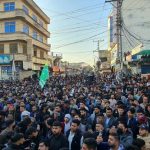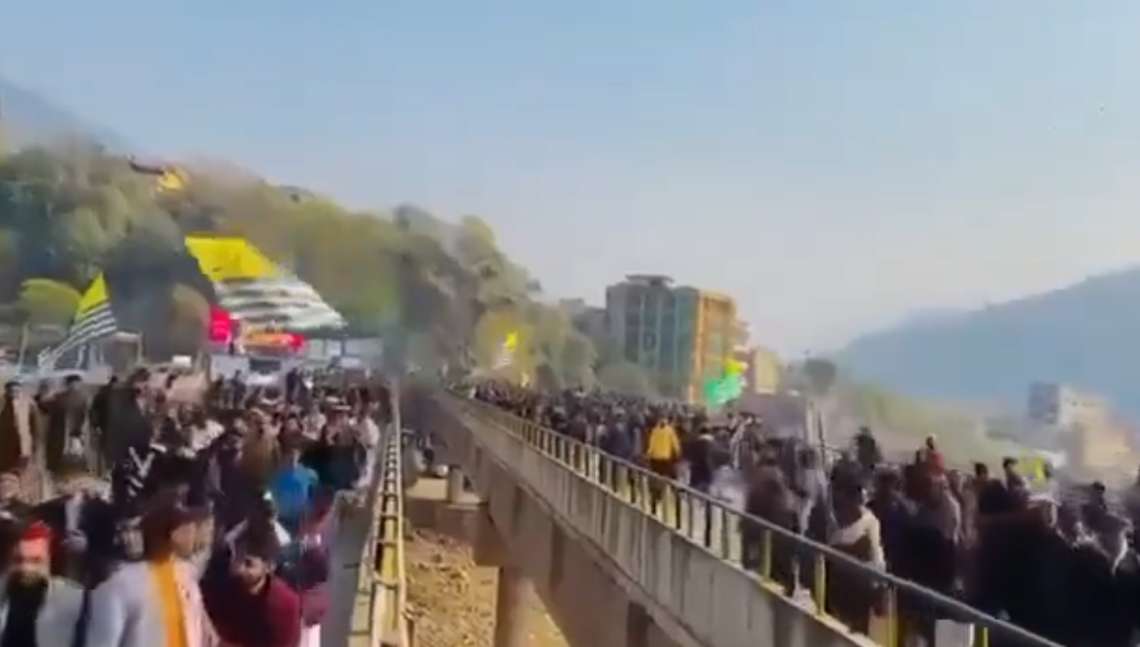
The credibility of Pakistan’s narrative on Kashmir is eroding—not because of diplomatic pressure, but because of rebellion within its own occupied territories, writes Col Danvir Singh (Retd)

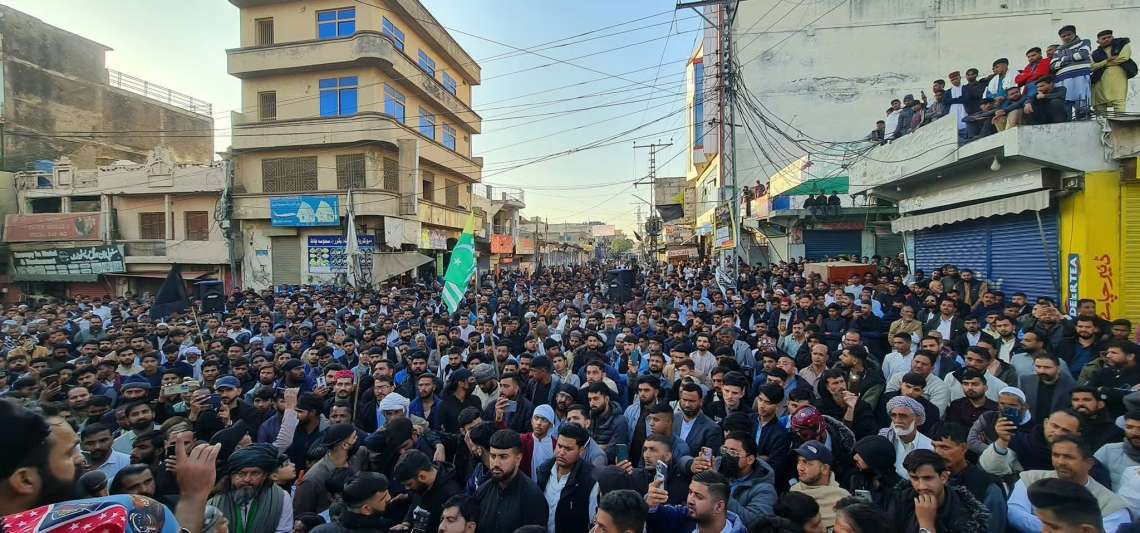
The mass protests that have engulfed Pakistan-Occupied Jammu & Kashmir (POJK) mark a watershed moment in the region’s troubled history. For decades, Islamabad projected POJK as a showcase of its so-called solidarity with the people of Jammu and Kashmir. The reality, however, has always been different—systematic neglect, economic exploitation, and a denial of basic rights.
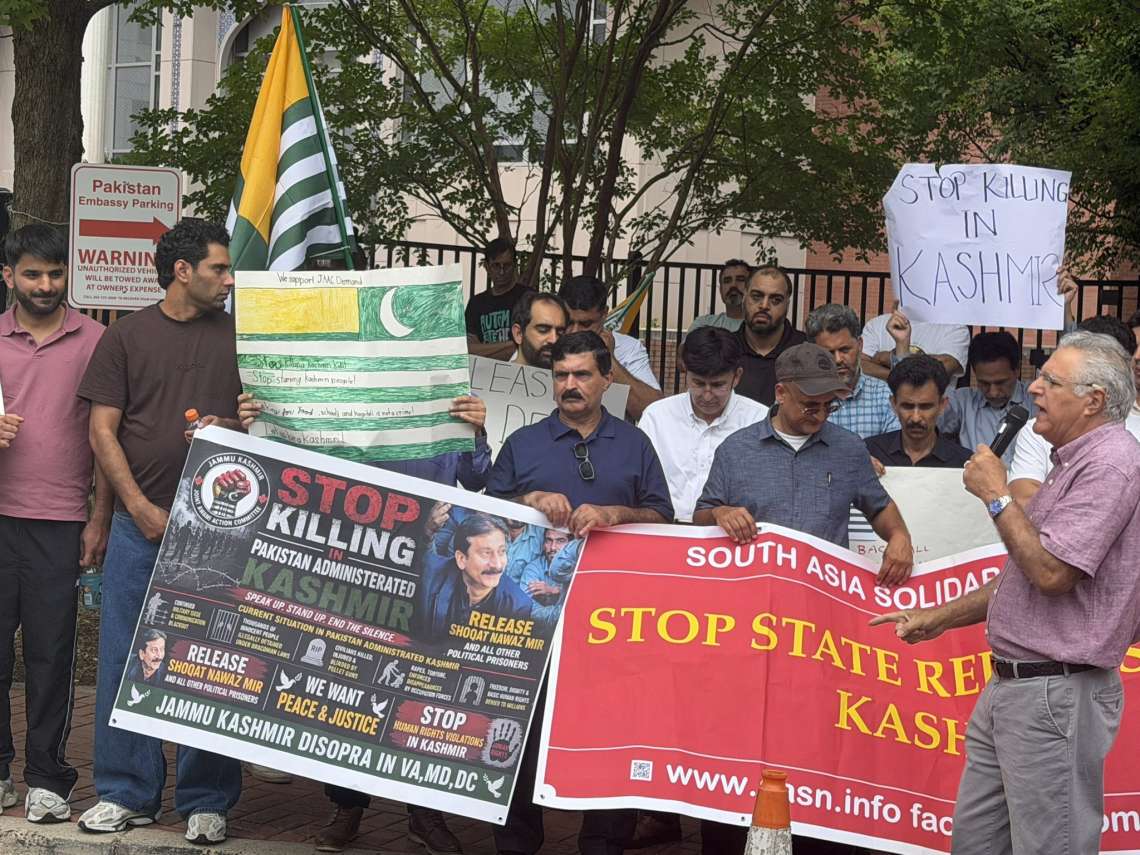
The current uprising, spearheaded by the Jammu Kashmir Awami Action Committee (JKAAC) under Shaukat Nawaz Mir, has shattered Pakistan’s façade. The protesters are not chanting slogans crafted in Rawalpindi; they are voicing anger against Islamabad itself. Their demand is not secession from India but liberation from Pakistan’s exploitative grip.
The anatomy of protest
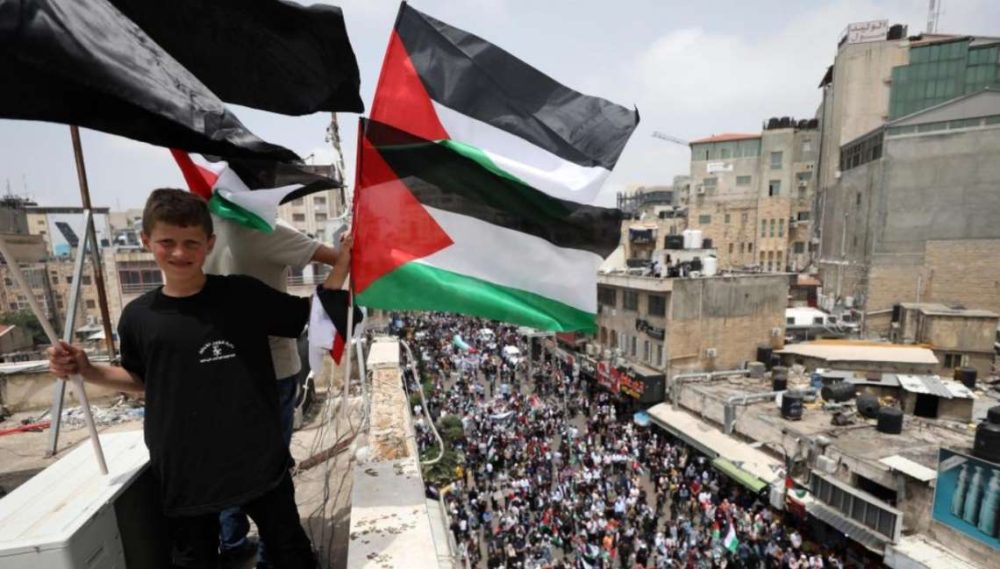
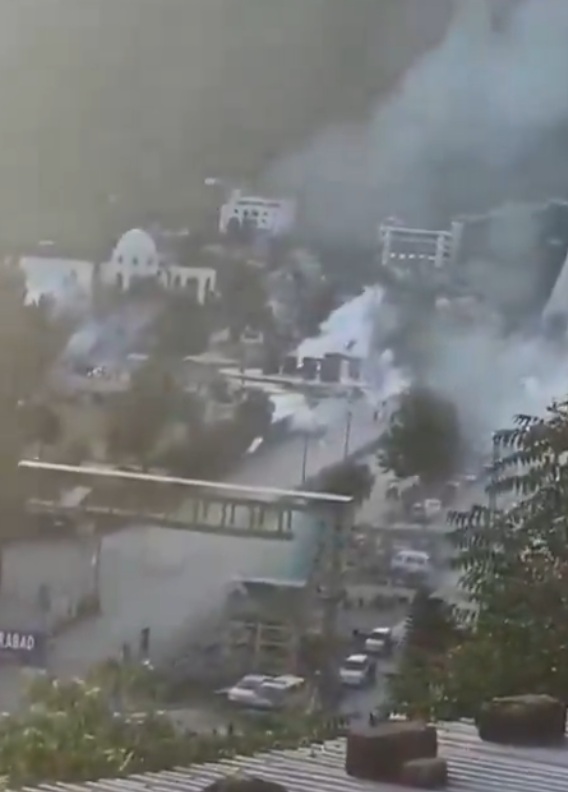
Over the past week, convoys of demonstrators from Rawalakot, Bagh, Kotli, and Dadyal braved police blockades to converge on Muzaffarabad. At Dhirkot and Dadyal, security forces opened fire, killing at least six civilians and injuring scores. Lal Chowk in Muzaffarabad became the nerve centre of resistance, where thousands staged sit-ins, braving tear gas and live rounds.
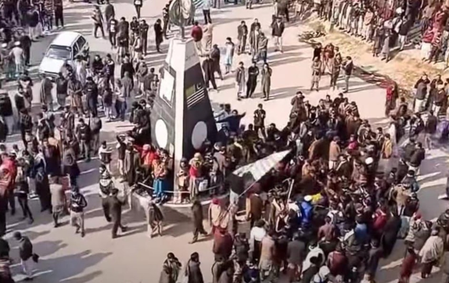
These are not isolated flashpoints. What we are witnessing is the manifestation of years of pent-up frustration against Pakistan’s colonial-style governance. Hydropower projects feed Punjab’s grid but leave locals in darkness. Jobs and scholarships are diverted to settlers. Puppet administrations are imposed while real power lies with the Ministry of Kashmir Affairs in Islamabad. The result is alienation that now spills onto the streets.
A familiar playbook of repression
Pakistan’s response is unsurprising. Communication blackouts, curfews, and threats of “strict action” mirror the tactics employed in Balochistan and Khyber Pakhtunkhwa. The establishment’s social media arms have even blamed “external hands,” reviving the old bogey of Indian involvement to deflect attention from its failures.
This denial strategy is dangerously short-sighted. The unrest in POJK is organic, not imported. The killing of unarmed protestors will only deepen resentment and delegitimise Islamabad’s authority further.
The wider implications
The turmoil in POJK weakens Pakistan’s already precarious internal balance. With the economy tethered to IMF bailouts, the polity paralysed by factional strife, and the military overstretched, Islamabad has little bandwidth to manage a popular uprising in a region it has long considered secure.
For India, this shift is significant. For years, Pakistan has weaponised POJK as a staging ground for proxy war across the Line of Control. Now, the very population it sought to use as a tool of strategy is turning against it. The credibility of Pakistan’s narrative on Kashmir is eroding—not because of diplomatic pressure, but because of rebellion within its own occupied territories.
The protests in POJK may not lead immediately to political autonomy or sweeping reforms. Yet, they are symptomatic of a deeper malaise—the erosion of Pakistan’s control over its peripheries. From Gwadar to Gilgit, from Quetta to Kotli, Islamabad’s extractive model is under siege.
A people once silenced by fear have discovered their voice. Whether Islamabad listens or represses, the status quo is no longer sustainable. For Pakistan, this is a moment of reckoning; for India and the world, it is an opportunity to recognise the legitimacy of voices that Islamabad has long sought to suppress.
(A military veteran, he regularly appears on television and contributes to print media on defence and strategic affairs. He closely tracks developments in weapon systems and provides analysis on defence, strategy, and foreign affairs, with a special focus on India’s neighbourhood. A prolific writer across newspapers and magazines, Col Danvir is also the author of the book Kashmir’s Death Trap: Tales of Perfidy and Valour.)