October 8, 2025
3 mins read

Diaspora Leaders Urge Pragmatic India-US Ties

Keshap spoke about the recent H-1B visa crackdown from the Trump administration, calling it a decision “driven by domestic politics.”…reports Asian Lite News

Prominent Indian American leaders have called for deeper India-US cooperation and a greater role for the diaspora in influencing policy discussions.

During a panel discussion organised on Tuesday by India Abroad, a diaspora-focused publication in the United States, Atul Keshap, the President of the US-India Business Council and former Charge d’Affairs at the US Embassy in New Delhi, argued for “quiet diplomacy” in the current challenging times.

“These moments are difficult. I think for the diaspora, looking at these last few months, the thing that they probably ask themselves is, how can they be effective? How can they be helpful? How can they be constructive? And sometimes, in moments like this, it’s better to engage in quiet diplomacy,” he added.

Keshap also spoke about the recent H-1B visa crackdown from the Trump administration, calling it a decision “driven by domestic politics.”
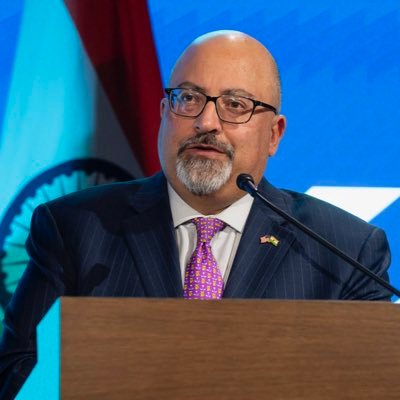
“I think in a country as diverse and as layered as India, a democracy as well, Indians would understand that there are domestic political compulsions that may change how the United States interfaces with the world,” he noted.

The debate over the role of the Indian American community in the US has intensified after Congress Member of Parliament Shashi Tharoor recently called the silence of the diaspora “puzzling” even as ties between Washington and New Delhi worsened.

MR Rangaswami, the founder of Indiaspora, a California-based non-profit organisation, defended the role of the community, calling it a “living bridge between the US and India.”

“The diaspora as a whole has remitted last year, $135 billion to India, out of which 30 billion came from the US. The Indian Americans themselves have impacted this country tremendously. We are 1 per cent of the population and pay 6 per cent of the taxes. We are 75,000 doctors in the US who serve 30 million patients. The diaspora lives here, works here, creates its wealth here, but we also help India,” he stressed.

Asha Jadeja Motwani, a Silicon Valley-based venture capitalist, advocated deeper connections within the ruling Republican party.

“Crudely speaking, really the best thing that seems to work is to write a cheque towards certain things. I think it’s a wise thing to do if you can afford it. Go for dinners hosted by the Republican Party and get to know people, start forming a relationship with the Republicans,” she added.

Rangaswami added that any outreach by the diaspora to the US government or policymakers should be framed with an “America First kind of positioning.”

“I think any such move…bringing people to Washington to talk to government, has to have an America First kind of positioning…As opposed to saying in India…so and so is being done. It’s like, what is the relevance to America? So, anything lobbying or otherwise in Washington has to be done with America first,” he advised.

Keshap asserted that the Indian side should understand that politics in America is changing “very fast” and “in three years, we are going to be a very different America.”

“It’s going to be sweeping. The ambition of this administration to change the economic configuration and how we interface with the world is so ambitious that countries have to decide if they want to adjust to that, and this leads to the question of relevance and reciprocity, if we can be relevant to one another, that is the glue of taking a relationship forward,” he concluded.
Previous Story

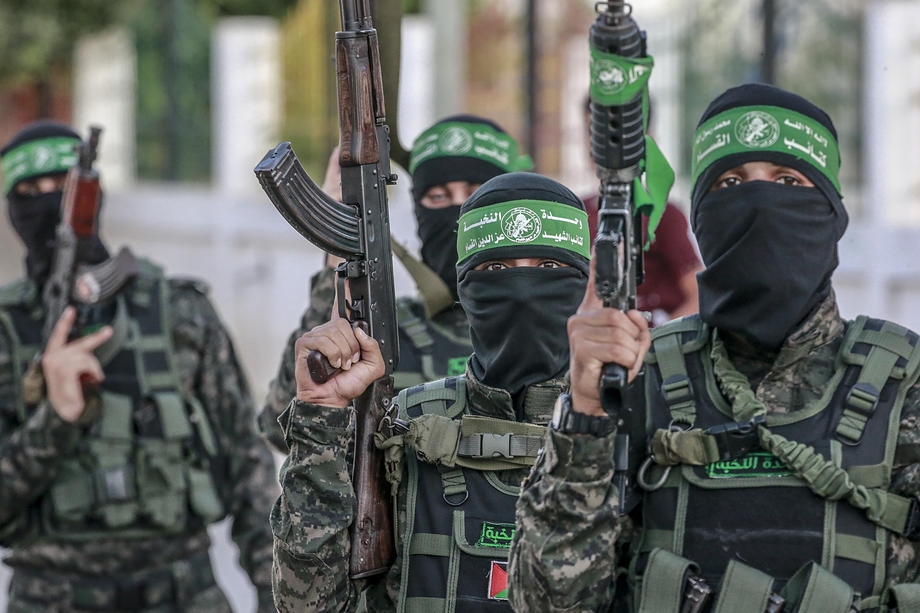
Hamas Ties Hostage Deal to Israel’s Gaza Pullout

Next Story

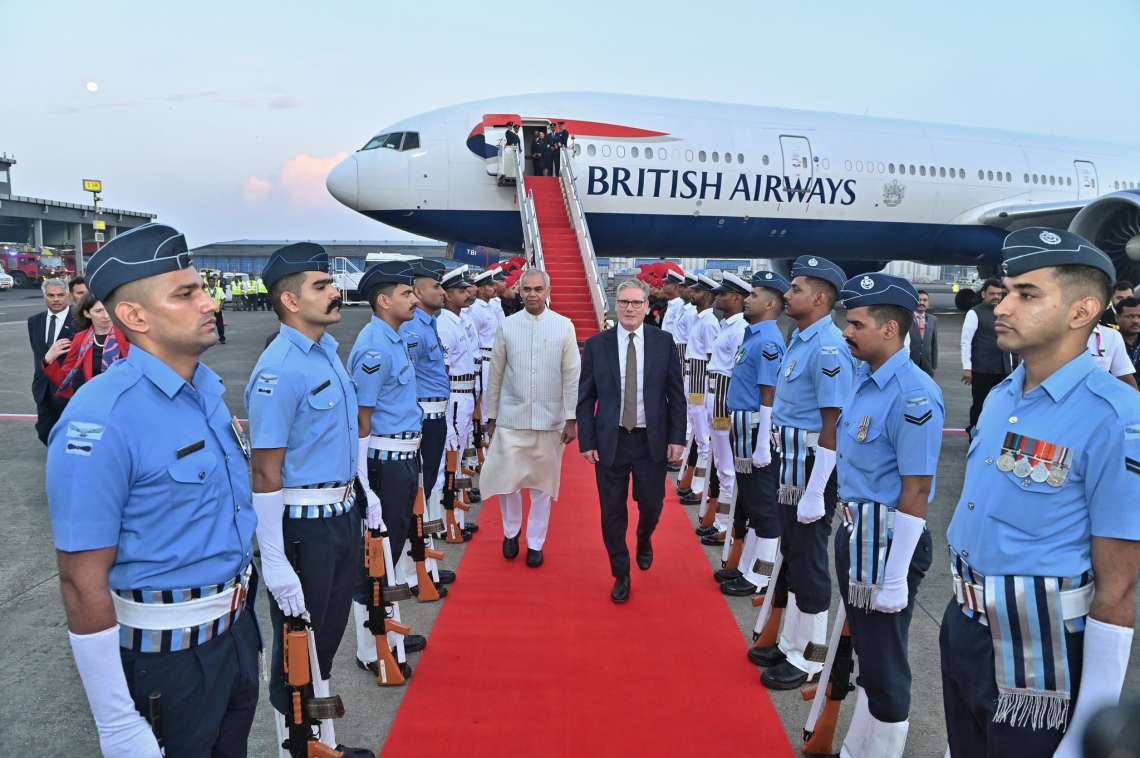
Keir Starmer Lands in Mumbai for First India Visit

Previous Story

Hamas Ties Hostage Deal to Israel’s Gaza Pullout

Next Story

Keir Starmer Lands in Mumbai for First India Visit

Latest from -Top News

Pakistan Risks Overstretching Itself in Yemen War

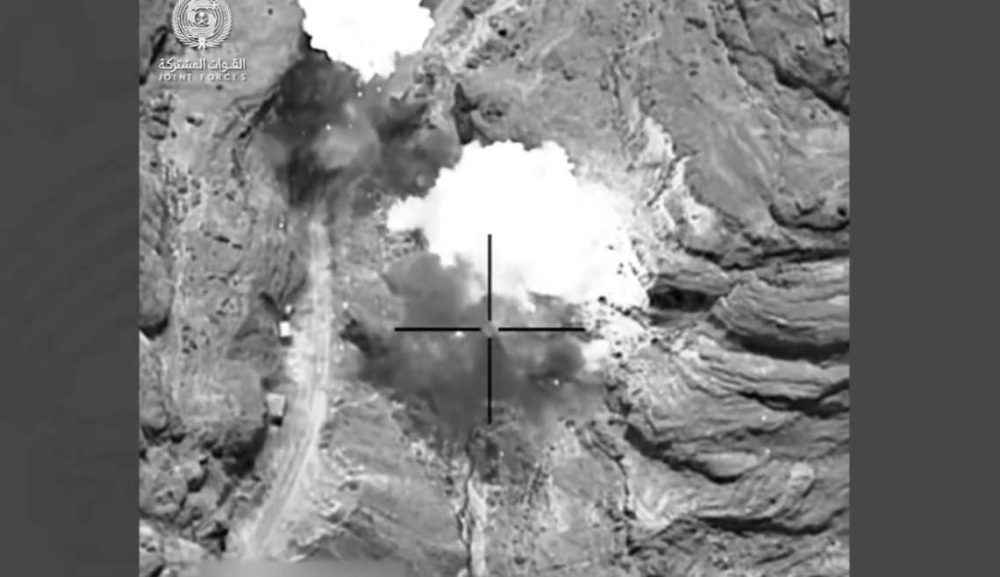
Pakistan’s expanding military role in Saudi Arabia amid the Yemen conflict could strain its defence resources and fragile finances…reports Asian Lite News Desk Pakistan’s military involvement in the war in Yemen may prove unsustainable because of mounting financial pressures and competing security demands, according to a new report. Islamabad’s growing military presence in Saudi Arabia risks stretching its defence resources while exposing the country to greater strategic and economic challenges. An article by Andrew Wilson in One World Outlook describes Pakistan’s involvement as a case of “fiscal and strategic overreach”, arguing that the country lacks the financial flexibility to sustain an expanded military commitment. Pakistan’s external finances depend heavily on an International Monetary Fund (IMF) programme, financial support from Gulf countries and remittances from Pakistani workers in the region. The report argues that deeper military involvement in the conflict could place additional pressure on these sources of financial stability. It also warns that deploying troops and military equipment abroad could weaken Pakistan’s capacity to address security challenges along its eastern border and deal with two domestic insurgencies. The move could also draw Islamabad into a conflict it has sought to approach cautiously. A Reuters report in May, citing Pakistani security and government sources, said Islamabad had deployed around 8,000 troops, a squadron of approximately 16 aircraft, mostly JF-17 fighter jets, two drone squadrons and a Chinese HQ-9 air-defence battery to Saudi Arabia. According to those sources, Riyadh was financing the deployment, with Pakistani personnel operating the equipment. The sources also said a confidential agreement contemplated the possibility of deploying up to 80,000 troops. Islamabad has not confirmed those figures, although it has acknowledged its military presence in Saudi Arabia, including the deployment of fighter jets at King Abdulaziz Air Base from April. The One World Outlook article argues that Saudi financial support can cover allowances and operating expenses but cannot easily replace military equipment needed elsewhere or resolve the political and strategic challenges of participating in the Yemen conflict. Pakistan’s defence budget is another concern. For the 2026-27 financial year, the federal government allocated PKR 3 trillion, or approximately $10.8 billion, to defence services. The allocation represents an 18 per cent increase from the original PKR 2.55 trillion provision and amounts to around 2.1 per cent of projected gross domestic product (GDP). Defence spending accounts for approximately 16 per cent of the federal government’s PKR 18.8 trillion expenditure. Military pensions are budgeted separately at PKR 822 billion, while debt servicing costs stand at approximately PKR 8 trillion, more than two-and-a-half times the defence allocation. The report argues that these competing financial obligations leave little room for additional military expenditure without placing further pressure on public finances. Pakistan’s reliance on IMF assistance also limits its fiscal flexibility. The country must meet the conditions attached to the programme, including a primary budget surplus target of 2 per cent of GDP and continued restraint on development spending. According to the article, these requirements make it difficult for Islamabad to finance an additional military commitment without compromising other budgetary priorities. Pakistan’s economic indicators offer limited reassurance. Economic growth for the 2025-26 financial year is estimated at between 3.6 and 3.7 per cent, while inflation reached approximately 10.3 per cent in September following an energy price shock. Foreign exchange reserves stood at around $21.5 billion at the end of September. Although this marks an improvement from the low levels recorded in 2023, the report notes that the reserves cover only a few months of imports. Financial assistance from Gulf partners remains central to Pakistan’s external stability. The article says Islamabad holds approximately $8 billion in Saudi deposits at its central bank. In July, the State Bank of Pakistan said Riyadh had extended the maturity of $5 billion in deposits to December 2028, easing the country’s immediate external financing requirements. A further $3 billion deposit was also extended in the spring. However, the article argues that these arrangements provide temporary relief rather than long-term financial independence, particularly as regional conflict threatens the stability of the Gulf economies on which Pakistan relies. The report concludes that Pakistan faces a difficult balance between supporting Saudi Arabia militarily and preserving the financial and military resources needed to address its domestic and regional challenges.
Go toTop

Don't Miss

Suspended over 22,500 accounts, says Twitter

It also said that it has acted against 133 posts

Khan invites embattled Anthropic to London 

London courts leading US AI firm as political row deepens