Deepawali secures UNESCO Intangible Heritage status as India hosts the global committee in Delhi, marking a landmark moment for cultural recognition, civilisational pride, and international heritage diplomacy….reports Asian Lite News
Deepawali — the festival of lights celebrated by millions across India and the global diaspora — has secured a historic place on UNESCO’s Intangible Cultural Heritage (ICH) List, marking a major international recognition of one of India’s most cherished cultural traditions. The announcement was made on Wednesday, with UNESCO confirming the inscription during the ongoing 20th session of its Intergovernmental Committee for the Safeguarding of Intangible Cultural Heritage, currently taking place at Delhi’s Red Fort.
In a post on its official X handle, UNESCO declared: “BREAKING. New inscription on the #IntangibleHeritage List: Deepavali, #India. Congratulations!” The decision followed a week-long evaluation of 67 nominations submitted by nearly 80 countries, making this year’s session particularly significant both for India and for global cultural diplomacy.
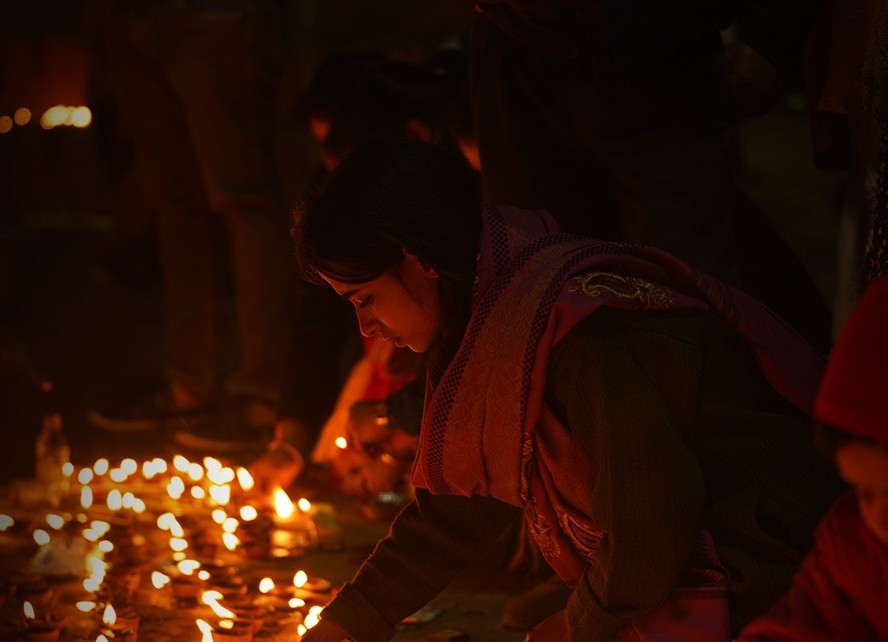
This is the first time India has hosted the UNESCO Committee meeting, and the choice of the Red Fort — an iconic Mughal-era monument steeped in history — has lent the event a ceremonial grandeur. From December 8 to 13, dignitaries, cultural experts, and international representatives are witnessing performances, diya-lighting ceremonies, and curated displays celebrating India’s living traditions. In honour of the occasion, the Delhi government has been asked to illuminate prominent buildings, stage cultural programmes, and install decorative lighting across the city to ensure the capital radiates the glow of a nationwide Diwali celebration.
Deepawali now becomes the 16th Indian element to be added to UNESCO’s Intangible Cultural Heritage list, joining existing entries such as the Kumbh Mela, Vedic chanting, Kutiyattam, Ramlila, Gujarat’s Garba, Yoga, Ramman and Kolkata’s Durga Puja. The inclusion marks global recognition of the festival’s profound cultural, spiritual, and social resonance. UNESCO’s ICH framework seeks to recognise living cultural expressions, traditions, knowledge systems, rituals, and performing arts that communities identify as part of their heritage, ensuring their preservation for future generations.
Chhath Puja — a major festival dedicated to the Sun God and widely celebrated in Bihar, eastern Uttar Pradesh, Jharkhand and among diasporic communities — is also under consideration for future nomination. The Ministry of Culture has written to the Sangeet Natak Akademi to review a proposal for its inscription, signalling continued efforts to showcase India’s diverse cultural landscape on global platforms.
The government and cultural institutions across the country welcomed UNESCO’s announcement with pride. Ministry of External Affairs spokesperson Randhir Jaiswal called it a “joyous moment”, noting that Deepawali symbolises the triumph of good over evil and marks Lord Rama’s return to Ayodhya — a narrative that continues to inspire communities worldwide. “Deepavali, the festival of lights… is added to the @UNESCO Intangible Cultural Heritage list,” he wrote on X.
Prime Minister Narendra Modi also expressed delight, describing the recognition as a moment of collective celebration in India and beyond. “For us, Deepavali is very closely linked to our culture and ethos. It is the soul of our civilisation. It personifies illumination and righteousness,” he said in a message on X. The inclusion, he added, would further enhance the festival’s global stature. He concluded with a spiritual invocation: “May the ideals of Prabhu Shri Ram keep guiding us for eternity.”
Union Culture and Tourism Minister Gajendra Singh Shekhawat called the inscription “a historic day for India”, crediting the Modi government’s cultural diplomacy for unprecedented international acknowledgment of India’s heritage. He emphasised that Deepawali’s universal message — hope over despair, harmony over division, and light for all — resonates deeply across cultures. “This honour celebrates the universal message of our festival of lights. My gratitude to UNESCO and to every custodian of our timeless traditions,” he said.
With this landmark listing, Deepawali now stands recognised not just as a festival but as an enduring cultural expression shared across borders, generations, and communities. As India continues to project its civilisational heritage on the global stage, the UNESCO recognition marks another step in reaffirming the country’s vibrant cultural identity and its commitment to preserving its living traditions.