The global pharmaceutical and API import market is estimated at around $1.3 trillion, including $261.2 billion in API demand for 2025, creating significant opportunities for India to increase its participation in international markets
India’s pharmaceutical sector has established itself as a major force in global healthcare, with the country emerging as one of the world’s largest suppliers of generic medicines, vaccines and essential drugs. However, a recent NITI Aayog report has highlighted the need for India to expand its footprint in high-value pharmaceutical segments and strengthen its position as a global hub for innovation.
The report noted that while India has a strong manufacturing base and competitive advantage in formulations, its share of global pharmaceutical and Active Pharmaceutical Ingredient (API) exports remains modest at 2.8 per cent. This comes despite a growing global demand for medicines, biologics and speciality therapeutics.
The global pharmaceutical and API import market is estimated at around $1.3 trillion, including $261.2 billion in API demand for 2025, creating significant opportunities for India to increase its participation in international markets.
India’s pharmaceutical industry contributes over 1.7 per cent to the country’s GDP, accounts for 7.2 per cent of manufacturing Gross Value Added (GVA), supports around 2.7 million livelihoods and recorded pharmaceutical and API exports worth nearly $35.8 billion.
According to NITI Aayog, India’s strength continues to lie in generic medicines and formulations, where it has built a strong presence in regulated markets such as the United States and Europe. The country is recognised for its ability to produce affordable medicines at scale and plays an important role in global healthcare access.
However, the global pharmaceutical landscape is shifting towards advanced areas including biologics, immunological products, vaccines and speciality therapies. These segments require greater investment in research, technology and innovation, where India’s export presence remains comparatively limited.
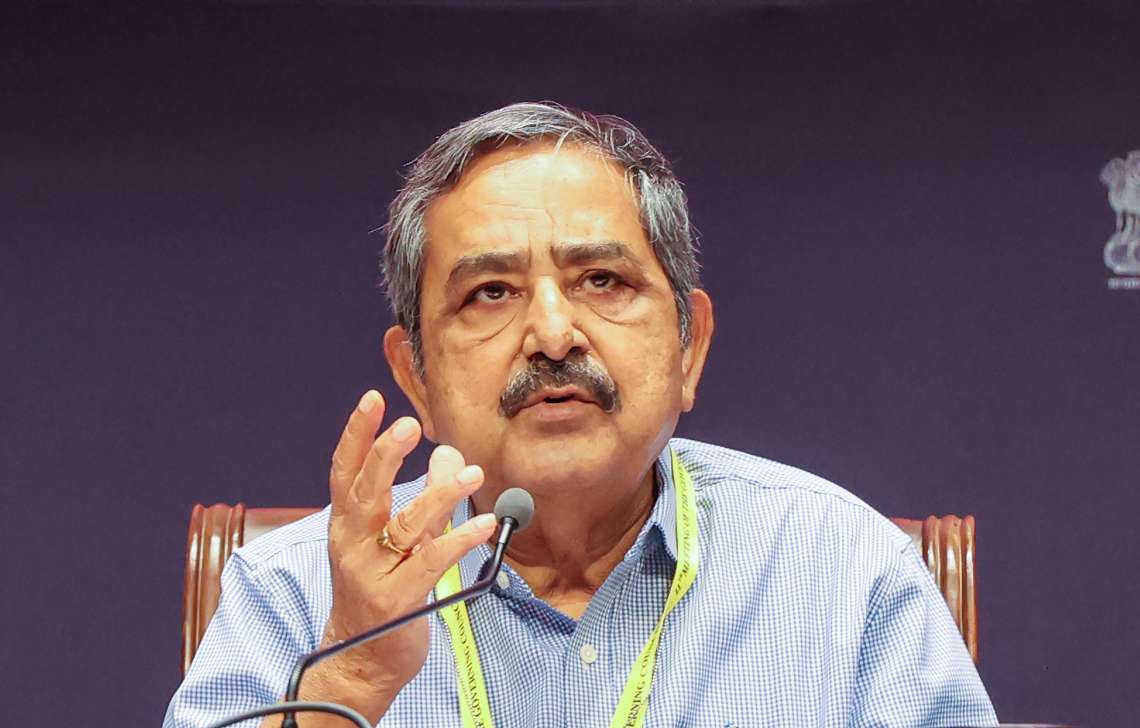
NITI Aayog Vice Chairman Ashok Kumar Lahiri said India’s pharmaceutical sector has become a strategic pillar of the economy but faces changing global trends, stricter regulatory requirements and evolving supply chains.
He said India’s position as a leading supplier of generic medicines and vaccines contributes to global health security, while expanding into high-value segments and taking advantage of global supply chain shifts could help the country become a stronger pharmaceutical and innovation hub.
As India works towards long-term economic growth goals, strengthening export competitiveness, increasing domestic value addition and improving participation in global value chains will remain crucial for the future of the pharmaceutical sector.