The return of large numbers of Afghans from Pakistan and Iran, along with displacement, drought and funding cuts, is placing further strain on the country’s humanitarian system….reports Asian Lite News Desk
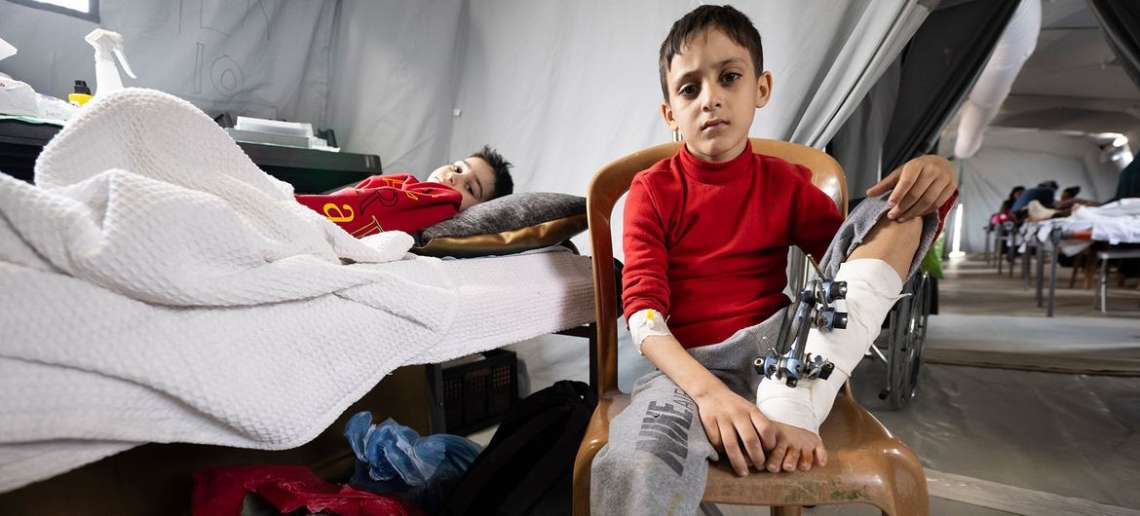
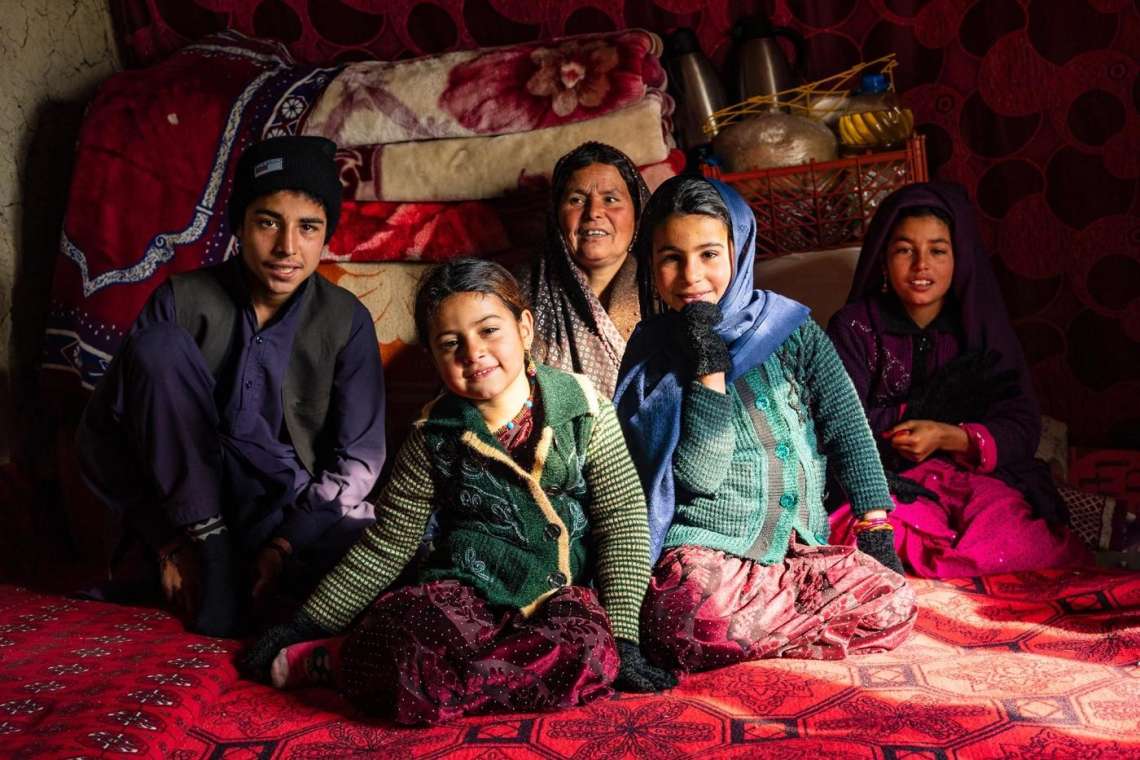
Acute malnutrition among children in Afghanistan is worsening, with nearly one in 10 children under the age of five suffering from the condition as large numbers of Afghans return from Pakistan and Iran, according to Save the Children.
The UK-based international non-governmental organisation said levels of wasting, or acute malnutrition, had deteriorated in two-thirds of Afghanistan’s provinces during the second quarter of 2026 compared with the same period last year.
According to Save the Children, the increase has been driven in part by a rise in infectious diseases during what is traditionally the peak season for malnutrition in Afghanistan.
The organisation said acute malnutrition among children under five had risen by 14 per cent over the past four years, affecting an estimated 3.7 million children in 2026.
The worsening situation comes as Afghanistan faces growing humanitarian pressures, including the return of refugees, internal displacement, natural disasters, conflict and prolonged drought.
Save the Children said nearly 600 health facilities had been closed or suspended because of funding cuts. Humanitarian assistance for Afghanistan has also fallen sharply, declining by almost 70 per cent from USD 3.27 billion in 2022 to USD 1 billion in 2025.
The reduction in funding has placed additional pressure on an already stretched healthcare and humanitarian system, limiting access to essential services for vulnerable communities.
Ashish Damle, Save the Children’s Country Director in Afghanistan, said worsening hunger, mass returns from Iran and Pakistan, displacement, disasters, conflict and prolonged drought were putting humanitarian resources under severe pressure, Ariana News reported.
“The world cannot look away. Severe hunger, the staggering number of returnees and mass internal displacement due to disasters, recent conflict and four years of drought are stretching limited humanitarian resources to the brink,” Damle said.
The organisation also highlighted demographic pressures, saying Afghanistan’s population had grown by up to 12 per cent since September 2023. It said the increase was adding to the number of people requiring assistance at a time when humanitarian funding had been severely reduced.
The return of Afghans from neighbouring countries has further complicated the humanitarian situation.
“More than six million people have returned from Iran and Pakistan as both countries enforce criteria that Afghans must meet to remain in those countries, or face deportation,” Save the Children quoted a nutrition nurse as saying.
Large-scale returns have increased demand for food, healthcare, shelter and other essential services, particularly in areas already struggling with limited resources.
The NGO warned that the combination of malnutrition, infectious diseases, displacement and reduced humanitarian funding was leaving children particularly vulnerable.
Afghanistan has faced a prolonged humanitarian crisis since the Taliban regained control of the country five years ago, with drought, economic difficulties and displacement adding to pressure on basic services.
The latest figures underline the continuing challenges facing humanitarian organisations as they attempt to provide assistance amid shrinking international funding and rising needs.