India and Japan review progress of their trade pact in Tokyo, pushing deeper cooperation in technology, investment and supply chains under the bilateral CEPA framework.
Economic officials from India and Japan met in Tokyo this week to review the progress of their landmark trade agreement and explore ways to deepen bilateral economic engagement, signalling continued momentum in one of Asia’s most significant strategic partnerships.
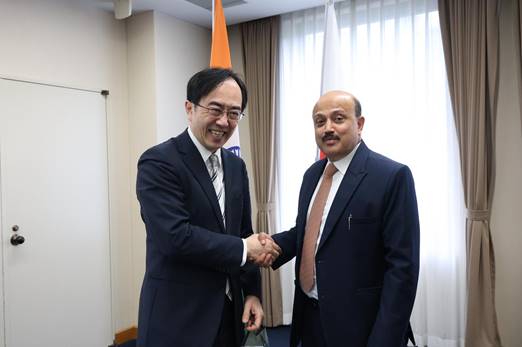
The 7th Joint Committee Meeting under the India-Japan Comprehensive Economic Partnership Agreement was held on March 2 in the Japanese capital. The discussions were co-chaired by Rajesh Agrawal, Secretary in India’s Department of Commerce, and Japan’s Senior Deputy Minister from the Ministry of Foreign Affairs.
The committee meeting focused on reviewing the implementation of the CEPA framework and identifying areas where economic cooperation between the two countries could be strengthened further. Officials from both sides examined progress made under the agreement and discussed steps to expand trade, encourage investment flows and improve business conditions for companies operating in both markets.

The meeting comes at a time when both India and Japan are looking to strengthen supply chains and expand strategic economic partnerships across the Indo-Pacific region. Policymakers from the two countries view their economic ties as increasingly important amid global trade uncertainty and shifting geopolitical dynamics.
On the sidelines of the meeting, Agrawal also held discussions with the Vice Minister of Japan’s Ministry of Economy, Trade and Industry (METI). The conversation covered a wide range of economic issues, including bilateral trade expansion, improving the business environment for investors and preparations for the upcoming ministerial discussions at the World Trade Organization.
During the discussions, Agrawal referred to the broader vision outlined by the leaders of the two countries at their annual summit in August 2025, which emphasised strengthening economic cooperation and diversifying trade relations. He stressed that both countries possess strong complementary advantages that could be leveraged to expand their economic partnership.
Japan, he noted, has global strengths in technology, capital investment and advanced manufacturing. India, meanwhile, offers a large and rapidly expanding market, a skilled workforce and growing industrial capabilities. Together, these factors create opportunities for deeper collaboration across sectors ranging from manufacturing and infrastructure to digital services and innovation.
Agrawal highlighted the importance of making full use of the CEPA framework, which provides a structured platform for tariff reductions, trade facilitation and regulatory cooperation between the two economies. He also pointed to the provisions within the agreement that support the movement of professionals and skilled workers, which could further strengthen economic ties.
India also sees significant potential to expand exports to the Japanese market. According to Agrawal, sectors such as textiles, pharmaceuticals, agriculture and services could see substantial growth in trade volumes in the coming years if regulatory and market barriers are gradually addressed.
At the same time, he emphasised the need to work toward a more balanced bilateral trade relationship over the long term. Ensuring sustainability in trade, officials noted, requires efforts by both sides to encourage diversified imports and exports while maintaining open investment channels.
Beyond official government meetings, the visit also included engagement with Japanese business leaders. Agrawal held a roundtable interaction with senior representatives of Japanese industry to discuss investment opportunities and address concerns relating to regulatory procedures and market access.
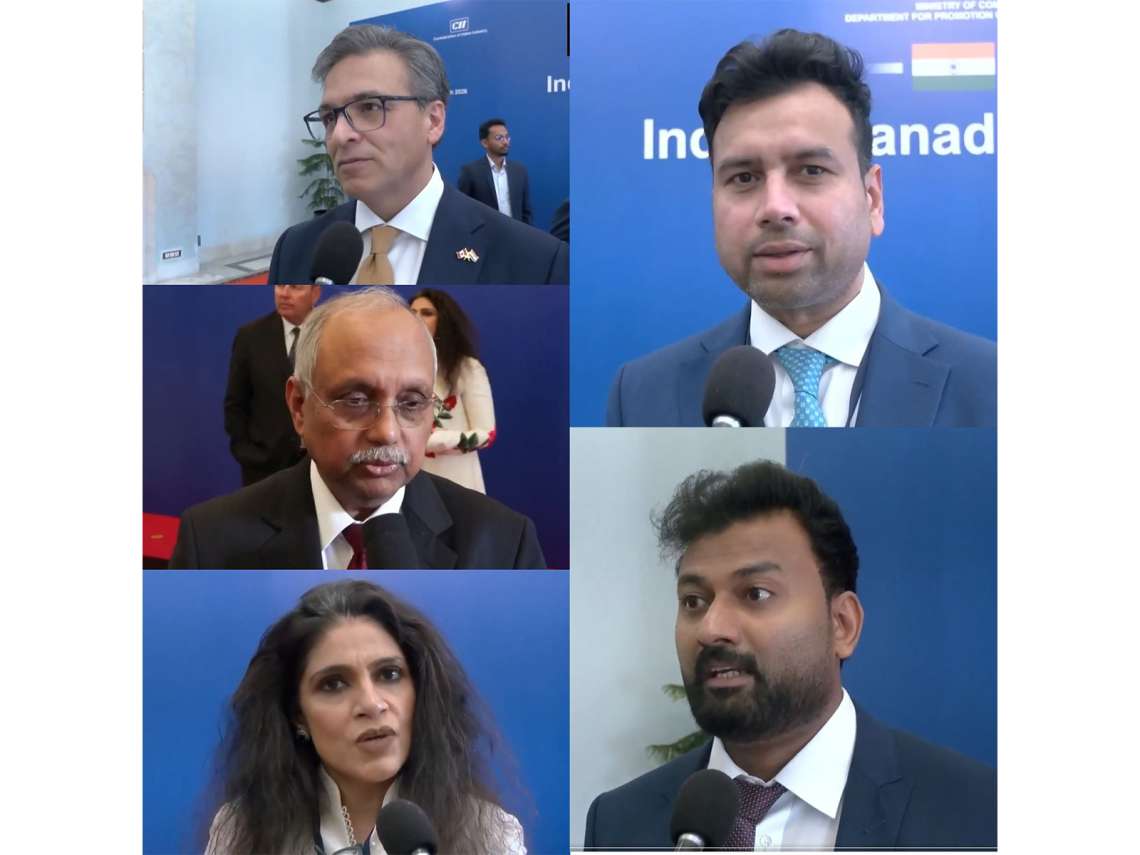
Later in the day, the Embassy of India in Tokyo organised a trade and investment roadshow in collaboration with the Confederation of Indian Industry and Keidanren. The event focused on promoting Indian exports and encouraging greater investment from Japanese companies into India’s growing economy.
During the roadshow, Agrawal outlined India’s policy environment aimed at improving ease of doing business, including simplified regulatory processes and ongoing reforms designed to attract foreign investment. He said the CEPA agreement provides an important foundation for stable economic cooperation by offering tariff certainty and regulatory predictability.
Officials from both sides also highlighted the broader strategic value of India-Japan economic cooperation. As global supply chains evolve, both countries see opportunities to strengthen their roles as trusted partners in manufacturing, technology and trade networks.
By deepening collaboration under the CEPA framework, policymakers believe India and Japan can not only boost bilateral trade but also reinforce resilient supply chains and economic connectivity across the Indo-Pacific region.