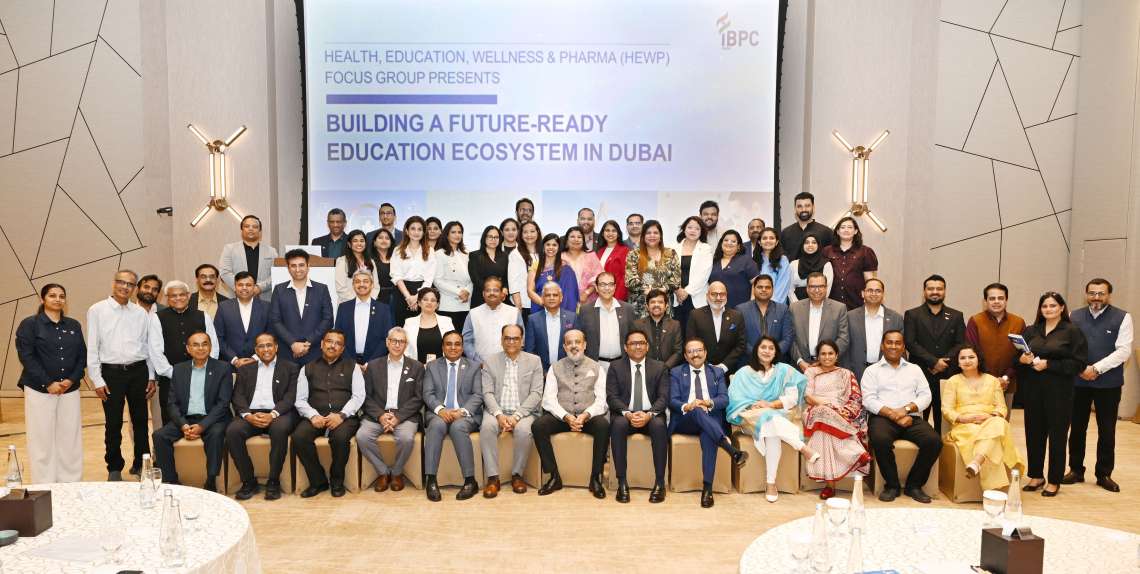
Dubai pushes skills-based, AI-ready education as India-UAE stakeholders call for stronger industry-academia collaboration to drive innovation, workforce readiness and sustained economic growth, reports India Daily News Desk
Dubai is sharpening its focus on building a future-ready education ecosystem, with policymakers, academic leaders and industry stakeholders calling for stronger collaboration, AI integration and skills-based learning to support long-term economic growth.
The push emerged during a business breakfast hosted by Indian Business and Professional Council Dubai in partnership with the Consulate General of India Dubai and Dubai International Academic City. The event brought together representatives from government, academia and industry to discuss how education can better align with the evolving demands of the workforce.
Participants highlighted a clear shift away from traditional academic models towards a more skills-driven, innovation-led approach. With artificial intelligence and emerging technologies reshaping industries, the emphasis is increasingly on equipping students with practical, employable skills alongside academic knowledge.
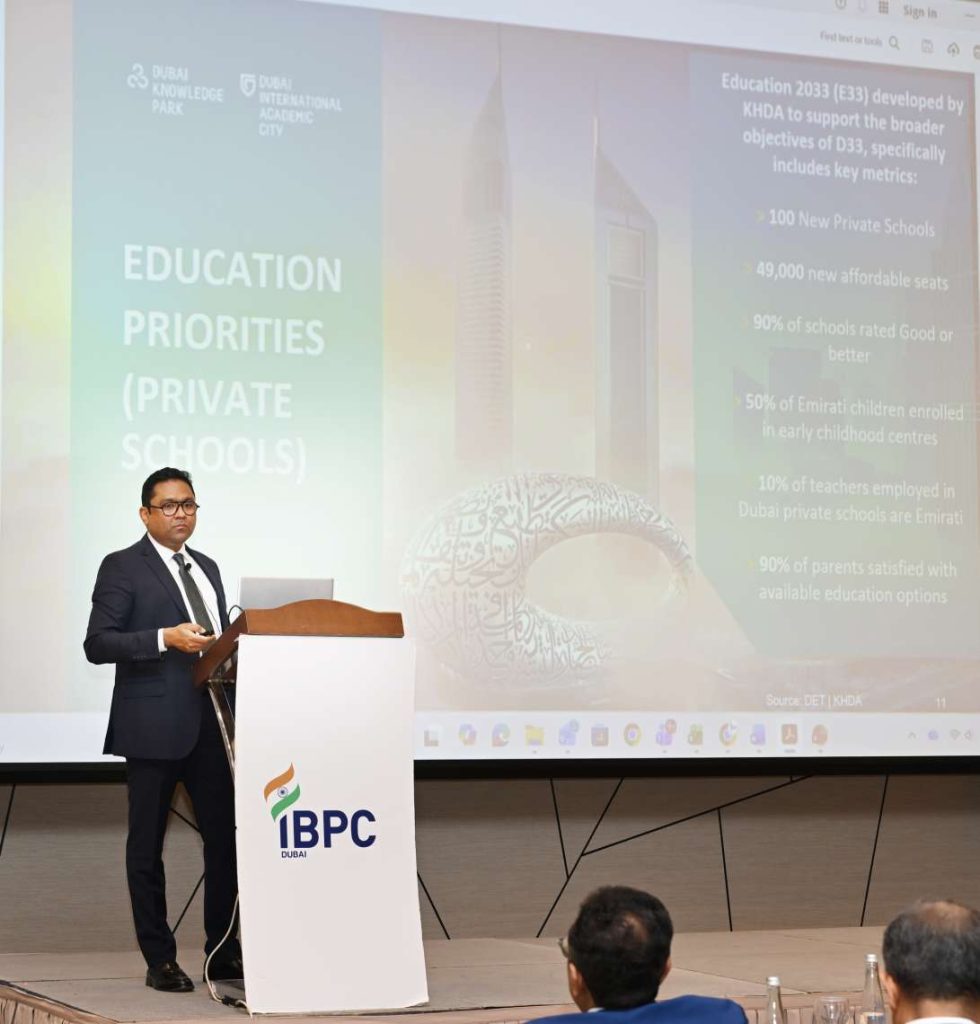
Opening the discussion, Sreekumar Brahamanadan, Convener of the Higher Education and Workforce Preparedness Focus Group, described education as a central pillar of Dubai’s next phase of economic development. He said the emirate has transformed into a global hub for business, innovation and talent, with the education sector playing a crucial role in sustaining that momentum.
Dubai’s higher education ecosystem now caters to more than 42,000 students across 37 international branch campuses, representing over 170 nationalities. The sector continues to expand rapidly, with growth estimated at around 20 per cent annually, reinforcing its importance within the broader knowledge economy.
Brahamanadan stressed that closer engagement between businesses and educational institutions is essential to ensure that graduates are prepared for real-world challenges. He noted that industry participation in curriculum design and training programmes can help bridge the gap between academic output and labour market requirements.
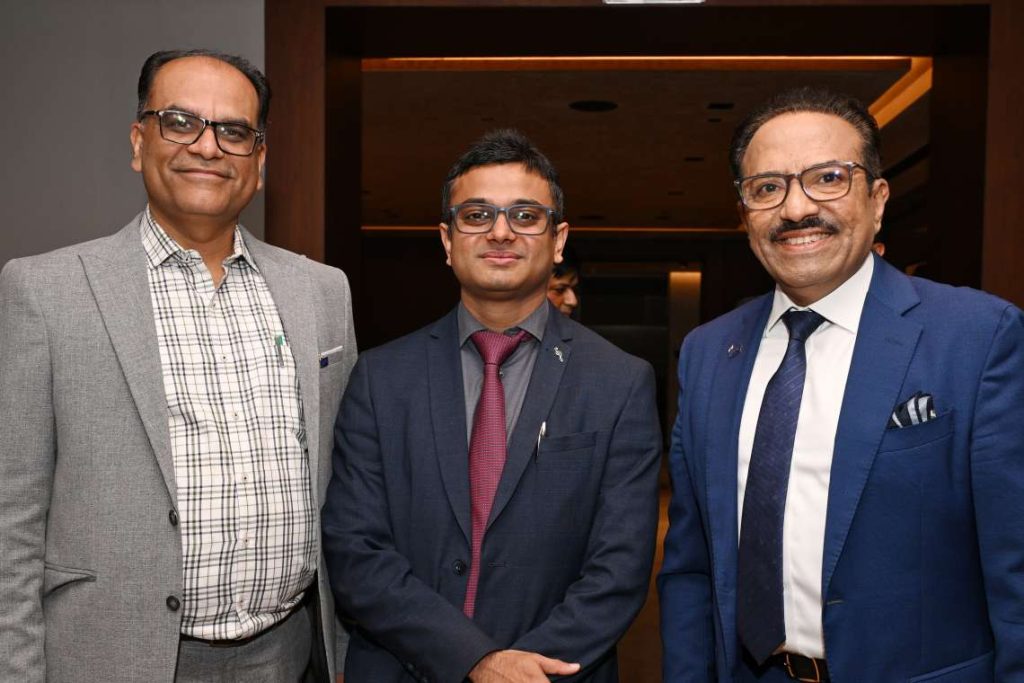
Highlighting the growing India-UAE partnership in education, Yatin Patel, Deputy Consul General of India in Dubai and the Northern Emirates, pointed to the establishment of the Indian Institute of Management Ahmedabad’s Dubai campus as a significant step in strengthening academic collaboration. He also underscored the role of IBPC Dubai in facilitating dialogue between stakeholders.
From a policy perspective, Chindu Mohsin, Director of Business Development at DIAC, outlined structural shifts in Dubai’s education landscape. He noted that the emirate supports 17 different curricula and that students of Indian origin make up around 42 per cent of the university population, reflecting the strong presence of the Indian diaspora.
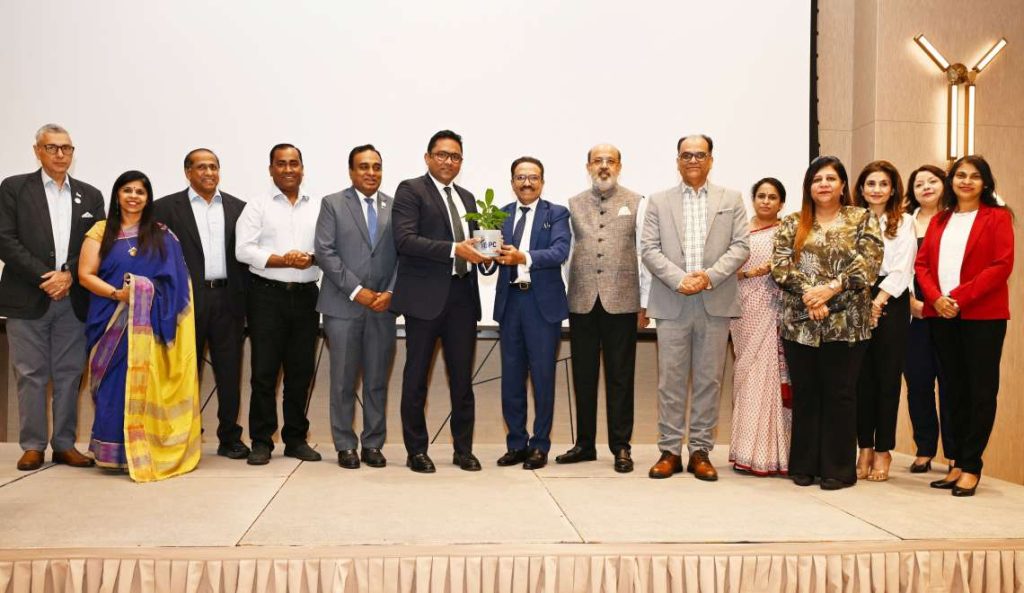
Mohsin emphasised that while technology, including AI, will continue to transform industries, human skills such as creativity, adaptability and critical thinking will remain key. He said successful institutions will be those that integrate technological advancement with human-centred learning.
The discussions also pointed to emerging opportunities in vocational training, corporate learning and lifelong education, as demand grows for continuous skill development. Participants agreed that internships, applied learning and closer industry-academia partnerships will be crucial in shaping the next phase of education reform.
There was also support for leveraging educational technology and innovation platforms to accelerate change, alongside proposals to strengthen quality standards and benchmarking across institutions.