April 9, 2021
4 mins read

Indian diaspora seek action against Hindu hatred

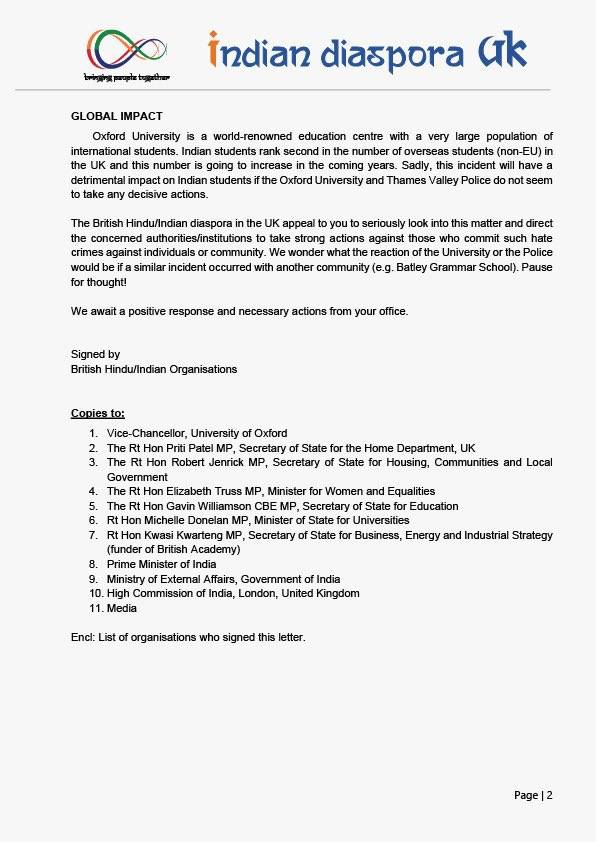
The letter reads that incident will have a detrimental impact on Indian students if the Oxford University and Thames Valley Police do not seem to take any decisive actions…reports Asian Lite News

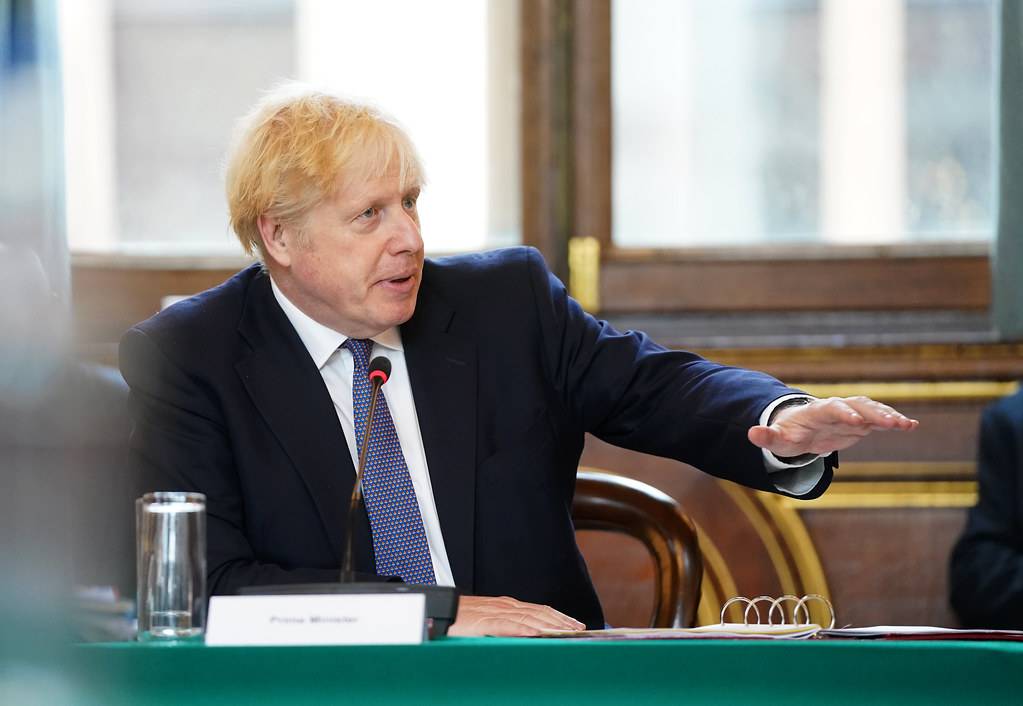
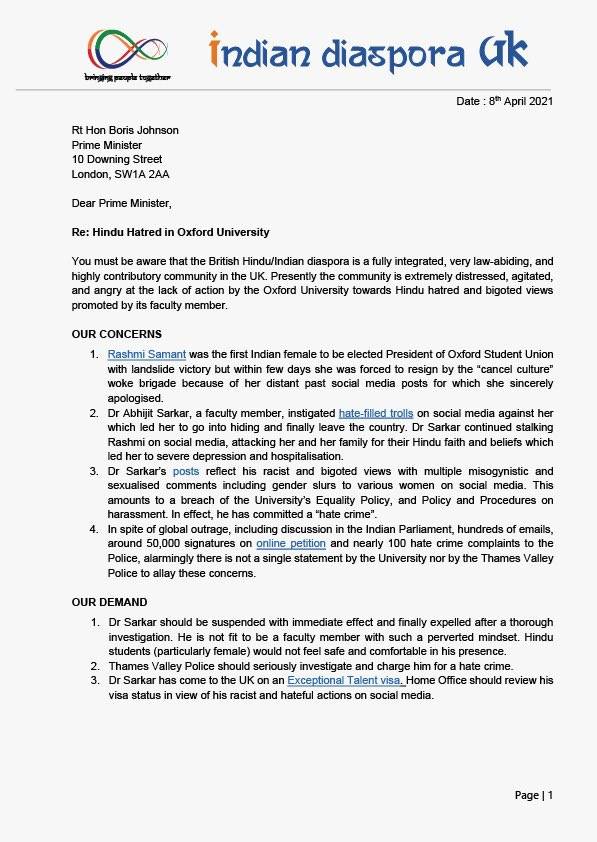
More than hundred Indian diaspora organisations across the country jointly issued a letter to UK Prime Minister Boris Johnson over concerns related to lack of action by the Oxford University towards Hindu hatred promoted by its faculty member.

Dr Abhijit Sarkar, a faculty member, instigated hate-filled trolls on social media against Rashmi Samant who was the first Indian female to be elected President of Oxford Student Union.

Dr Sarkar’s continuous attack on Rashmi and her family on social media for their Hindu faith, forced her to resign and led her to finally leave the country, says the letter.
Hindu Hatred in Oxford University(Twitter)

The jointly issued letter which was signed by 119 organisations also called for suspension of Dr Sarkar with immediate effect and expulsion after a thorough Police investigation for hate crime.

It is noted that Dr Sarkar’s posts reflect his racist and bigoted views with multiple misogynistic and sexualised comments including gender slurs to various women on social media.

The British Indian diaspora urged Home Office to review his visa status in view of his racist and hateful actions on social media.

The signatories are Hindu Council UK, Hindu Forum of Europe, National Council of Hindu Temples, Hindu Swayamsevak Sangh (UK), National Council of Hindu Priests,Vishwa Hindu Parishad (UK),Nepali Hindu Forum UK, Shree Swaminarayan Temple Cardiff, Friends of India Society International (FISI) UK, Global Kashmiri Pandit diaspora (UK), Indians in London Group (IIL), Hindu Lawyers Association, Global Hindu Federation Ltd, Nepali Shiva Mandir Aldershot, National Hindu Students’ Forum (UK), Akshay Patra Foundation (UK), Hindu Forum Nottingham, Kashmiri Pandits Cultural Society, London, Gurudwara Miri Piri, Southall, Dr. Ambedkar UK Mission (AUM), Voice of Dogras (UK), Overseas Hindu Malayalee UK (OHM UK), British Hindu Voice, Gurudwara Ramgarhia Sabha, Southall, Kannadigaru UK, Hindu Punjabi Sabha of Leeds, REACH India, and Inspiring Indian Women (IIW)
Hindu Hatred in Oxford University(Twitter)


Hindu International Medical Mission, Hinduism Worldwide Inc
,Shree Ram Mandir Birmingham, Uttar Pradesh Community Association (UPCA), UK , South Asian Performing Art (SAPAC) UK
, Shree Sanatan Mandir Leicester, UK Telugu Hindu Organisation (UTHO), Hindu Samaj Swindon, International Center for Cultural Studies (UK) , Hindu Mandir and Community Centre Nottingham
, Jammu Kashmir Study Center, UK , Hindu Temple Nottingham
, All County Kannada Association UK , Vichaar Manthan UK
, India Welfare Society, London , Advocacy for British Hindus & Indians (ABHI) UK , International Dogra Society , Indian National Students Association (INSA) UK , Kannada Balaga Swindon
, Jeevan Organ Trust UK , Leuva Patidar Samaj Yorkshire
, Karunadina Anivasi Hindugala Okkoota (KAHO) UK , Hindu Cultural Society of Bradford , The British Hindu Press Association , Abhishekam Group , KAVITA Community Org, Ireland, Leeds Mahila Mandal , India Knowledge Consortium (INK) UK , Basingstoke Hindu Society , Namaste Elderly Group of Leeds , Mata Da Mandir (Hindu Cultural Association Dudley) , Ram Mandir Southall , National Association of Patidar Samaj , Newcastle Hindu Temple , Param Shakti Peeth of UK , Rajasthan Association UK , Northeast India Cultural Committee of UK , Overseas Friends of BJP UK , Slough Mitra Mandal , NaMo Namah Foundation UK , Leeds Pragati Mandal , Shree Krishna Mandir, Leamington Spa , Rajasthani Roots UK , Pranyog Yoga centre
, Shree Krishna Temple, Dudley , SwIndians , Telugu Association of Basingstoke (TAB UK) , Shree Bharatiya Mandal-Indian Association (Tameside) , VHP Temple Bolton , Sangamam UK, Shree Prajapati Association U.K , Shree Hindu Community Centre
and Sai Dham (Nottingham).

Lord Rama Krishna Temple, Warrington, Shiv Westminster, The Shivalyh, Derby Kannadigaru , Bihari Connect UK, Durga Bhajan Mandali, Birmingham , Derby Hindus , Hindu Council (Brent) , Anoopam Mission UK , Haryana In UK Association
, Bengali Hindu Adarsha Sangha , Bhagwati Shakti Peeth , Bharat Hindu Samaj Peterborough, Bihari Community, Gita Foundation
, Hindu Sevikas Samiti UK, Indian Ekta, Kent Telugu Community (KTC) , Life in London Trust , Luitporia Nasoni North East
, Shree Navdurga Association UK , National Hindu Welfare Support (NHWS) , Shree Kalyan Mandal, Rugby , South London Hanuman Chalisa Group, Telangana Development Forum, South Indian Association UK, The Indian Association Cheltenham (Glos)
, UK Indian Business Network (UKIBN), Vaso Nagrik Mandal (UK)
, Upton Hindu Community Association, Vande Mataram, Yog-Kulam
, Wellingborough District Hindu Association, Warangal NRI forum UK Ltd, Royal Sutton Indians, Midlands Marathi Association
, INSIGHT UK, Nottingham Kannadigaru, Shree Lakshmi Narayan Hindu Temple and Bradford

Also read:UK on track to inoculate all adult by July

Previous Story

US sanctions Pak-based human smuggling group

Next Story

Maoists release abducted CoBRA commando

Previous Story

US sanctions Pak-based human smuggling group

Next Story

Maoists release abducted CoBRA commando

Latest from -Top News

Pakistan Risks Overstretching Itself in Yemen War

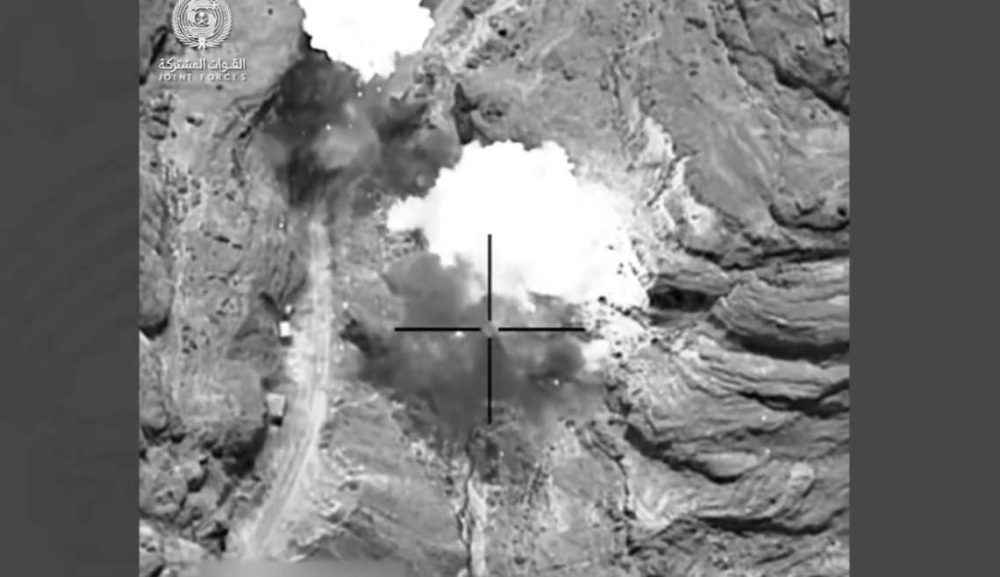
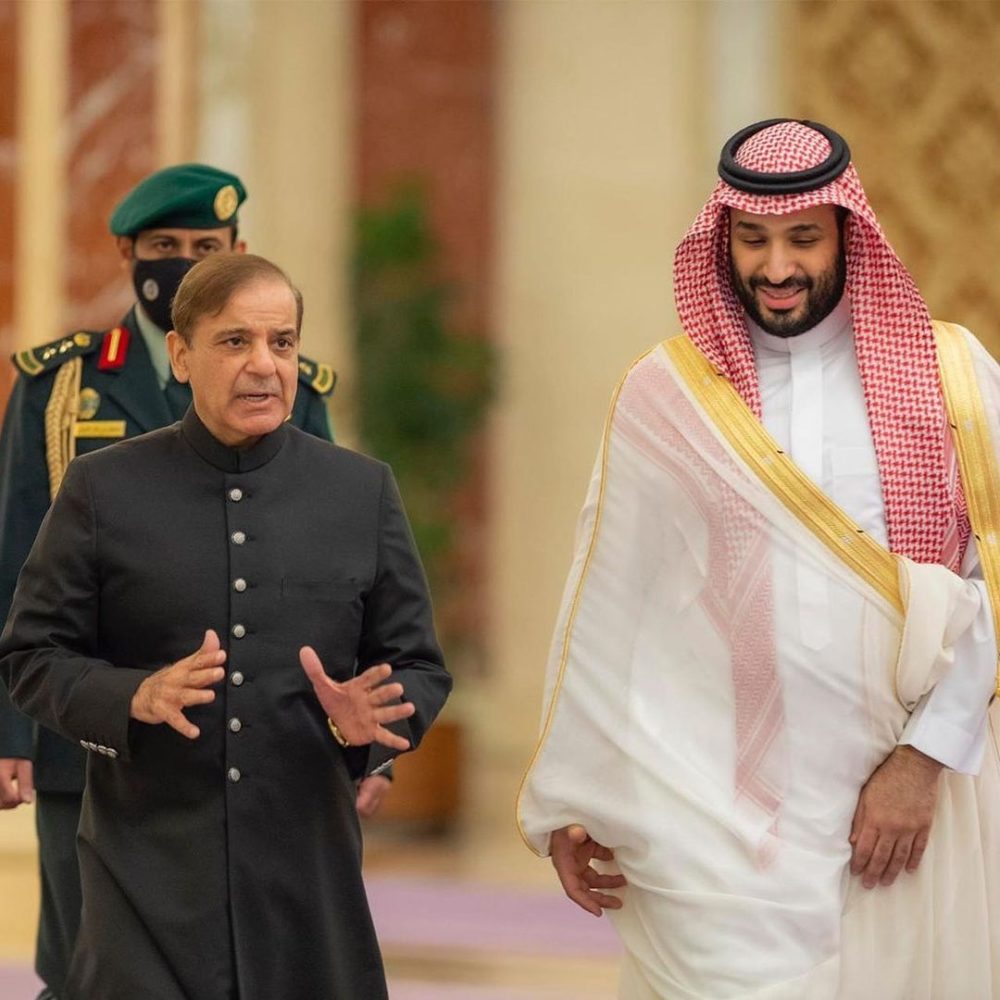
Pakistan’s expanding military role in Saudi Arabia amid the Yemen conflict could strain its defence resources and fragile finances…reports Asian Lite News Desk Pakistan’s military involvement in the war in Yemen may prove unsustainable because of mounting financial pressures and competing security demands, according to a new report. Islamabad’s growing military presence in Saudi Arabia risks stretching its defence resources while exposing the country to greater strategic and economic challenges. An article by Andrew Wilson in One World Outlook describes Pakistan’s involvement as a case of “fiscal and strategic overreach”, arguing that the country lacks the financial flexibility to sustain an expanded military commitment. Pakistan’s external finances depend heavily on an International Monetary Fund (IMF) programme, financial support from Gulf countries and remittances from Pakistani workers in the region. The report argues that deeper military involvement in the conflict could place additional pressure on these sources of financial stability. It also warns that deploying troops and military equipment abroad could weaken Pakistan’s capacity to address security challenges along its eastern border and deal with two domestic insurgencies. The move could also draw Islamabad into a conflict it has sought to approach cautiously. A Reuters report in May, citing Pakistani security and government sources, said Islamabad had deployed around 8,000 troops, a squadron of approximately 16 aircraft, mostly JF-17 fighter jets, two drone squadrons and a Chinese HQ-9 air-defence battery to Saudi Arabia. According to those sources, Riyadh was financing the deployment, with Pakistani personnel operating the equipment. The sources also said a confidential agreement contemplated the possibility of deploying up to 80,000 troops. Islamabad has not confirmed those figures, although it has acknowledged its military presence in Saudi Arabia, including the deployment of fighter jets at King Abdulaziz Air Base from April. The One World Outlook article argues that Saudi financial support can cover allowances and operating expenses but cannot easily replace military equipment needed elsewhere or resolve the political and strategic challenges of participating in the Yemen conflict. Pakistan’s defence budget is another concern. For the 2026-27 financial year, the federal government allocated PKR 3 trillion, or approximately $10.8 billion, to defence services. The allocation represents an 18 per cent increase from the original PKR 2.55 trillion provision and amounts to around 2.1 per cent of projected gross domestic product (GDP). Defence spending accounts for approximately 16 per cent of the federal government’s PKR 18.8 trillion expenditure. Military pensions are budgeted separately at PKR 822 billion, while debt servicing costs stand at approximately PKR 8 trillion, more than two-and-a-half times the defence allocation. The report argues that these competing financial obligations leave little room for additional military expenditure without placing further pressure on public finances. Pakistan’s reliance on IMF assistance also limits its fiscal flexibility. The country must meet the conditions attached to the programme, including a primary budget surplus target of 2 per cent of GDP and continued restraint on development spending. According to the article, these requirements make it difficult for Islamabad to finance an additional military commitment without compromising other budgetary priorities. Pakistan’s economic indicators offer limited reassurance. Economic growth for the 2025-26 financial year is estimated at between 3.6 and 3.7 per cent, while inflation reached approximately 10.3 per cent in September following an energy price shock. Foreign exchange reserves stood at around $21.5 billion at the end of September. Although this marks an improvement from the low levels recorded in 2023, the report notes that the reserves cover only a few months of imports. Financial assistance from Gulf partners remains central to Pakistan’s external stability. The article says Islamabad holds approximately $8 billion in Saudi deposits at its central bank. In July, the State Bank of Pakistan said Riyadh had extended the maturity of $5 billion in deposits to December 2028, easing the country’s immediate external financing requirements. A further $3 billion deposit was also extended in the spring. However, the article argues that these arrangements provide temporary relief rather than long-term financial independence, particularly as regional conflict threatens the stability of the Gulf economies on which Pakistan relies. The report concludes that Pakistan faces a difficult balance between supporting Saudi Arabia militarily and preserving the financial and military resources needed to address its domestic and regional challenges.
Go toTop

Don't Miss

Modi set to take a giant step for Mission Kashmir

Touring border areas, addressing public rallies, inaugurating projects, laying foundation

2022 saw India’s rise as a world power and global counsel

The G20 Presidency has come to India at a time