August 13, 2021
2 mins read

SeaWorld Abu Dhabi set to feature world’s largest aquarium

The marine-life park, which is set to feature the world’s largest and most expansive marine aquarium and the new Yas SeaWorld Research and Rescue Center, is currently 64% complete….reports Asian Lite News

Miral, Abu Dhabi’s leading curator of magnetic experiences, in partnership with SeaWorld Parks & Entertainment, announced significant progress on the construction of SeaWorld Abu Dhabi, the next generation of marine life theme parks and Yas Island’s latest mega-development.

The marine-life park, which is set to feature the world’s largest and most expansive marine aquarium and the new Yas SeaWorld Research and Rescue Center, is currently 64% complete.

On track for completion in 2022, recent major construction milestones include the completion of the primary steel erection and near finalisation of the envelope enclosure of the marine-life park. Additionally, the structure’s façade is currently in progress, as well as over 70% of the acrylic panels installed across the park.

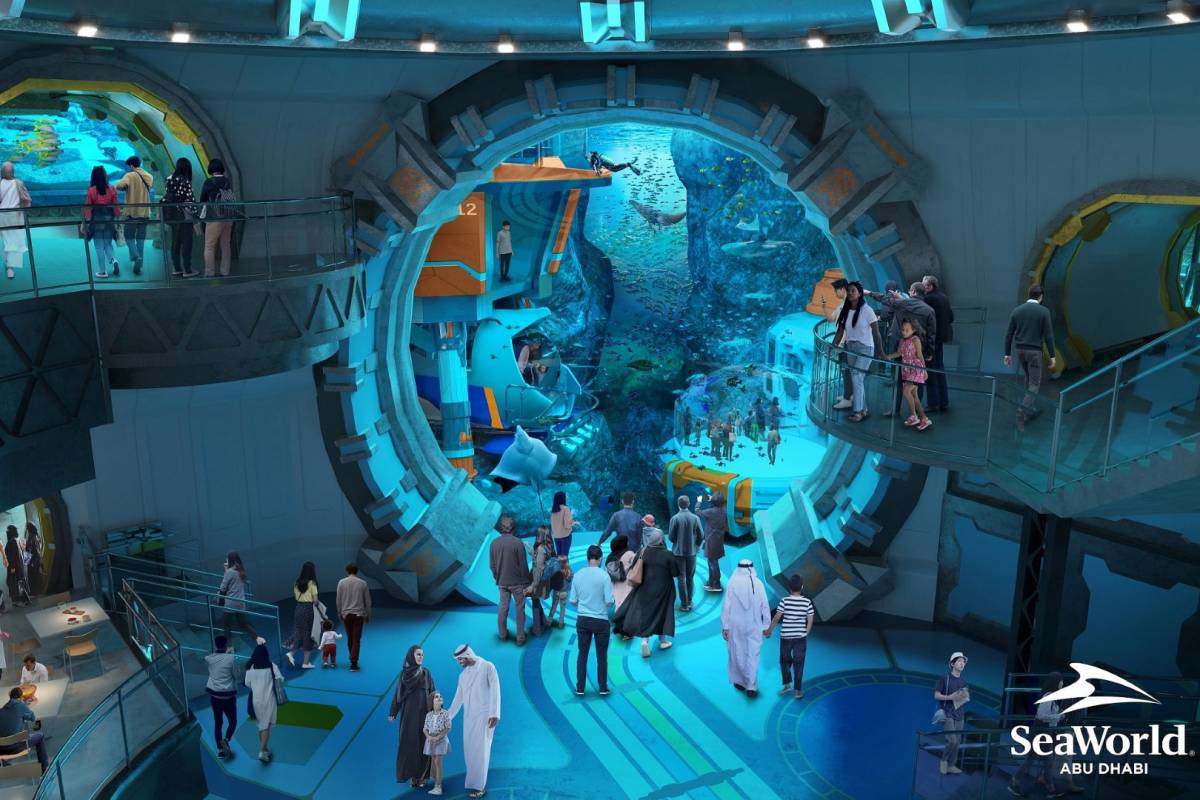
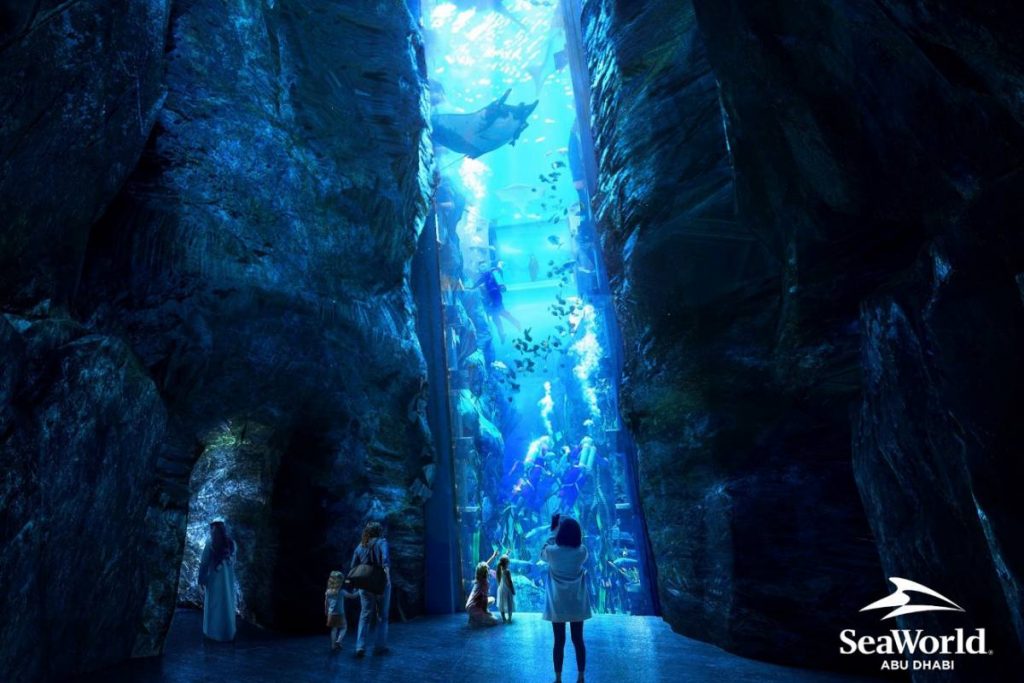
SeaWorld Abu Dhabi, once complete, is set to be home to the world’s largest and most expansive marine-life aquarium, containing 25 million litres of water and housing more than 68,000 marine animals, including sharks, schools of fish, manta rays and sea turtles. A main focal view of the aquarium will present visitors with the “Endless Vista”, an impressive 20m tall vertical window across multiple levels revealing stunning aquatic scenes.

Building off SeaWorld’s extensive research and rescue expertise, the Yas SeaWorld Research and Rescue Center will act as an advanced knowledge hub focusing on indigenous Gulf and marine life ecosystems. The facility will be located adjacent to the aquarium and theme park, and will be the first dedicated marine research, rescue, rehabilitation and return center in the UAE.
It will integrate with SeaWorld’s ongoing efforts related to research, rescue, conservation, and education. Accessible to visitors by reservation, the Research and Rescue Center will also demonstrate the work from resident scientists and researchers, enriching guests’ knowledge of aquatic animals, and offering tailored educational learning programs for both local and international schools and touring groups.

Mohamed Abdalla Al Zaabi, CEO of Miral said: “We are delighted to be partnering with SeaWorld Parks & Entertainment in developing this next generation marine life park, that is set to feature the world’s largest marine aquarium and the UAE’s first dedicated research center to study and care for animals.”

Visitors to SeaWorld Abu Dhabi will have the opportunity to interact with one of the most diverse populations of animals featured in any marine-life park, globally. The “Endless Ocean” themed aquarium encapsulates the expanse and scale of the marine display for guests and is one element featured within a unified “One Ocean” experience, interlinking six distinct realms throughout the marine-life park.

The “One Ocean” narrative will augment the park’s ability to simulate the natural habitats of different species, living harmoniously as they would in the wild. Guests will be encouraged to explore these natural underwater environments via immersive storytelling techniques and the latest cutting-edge technologies, further deepening an appreciation and understanding of ocean life.

ALSO READ: UAE sends 100,000 Covid jab doses to Philippines

Previous Story

Six killed including gunman in Plymouth shooting

Next Story

India and Australia likely to hold maiden two plus two meeting next month

Previous Story

Six killed including gunman in Plymouth shooting

Next Story

India and Australia likely to hold maiden two plus two meeting next month

Latest from -Top News

Pakistan Risks Overstretching Itself in Yemen War

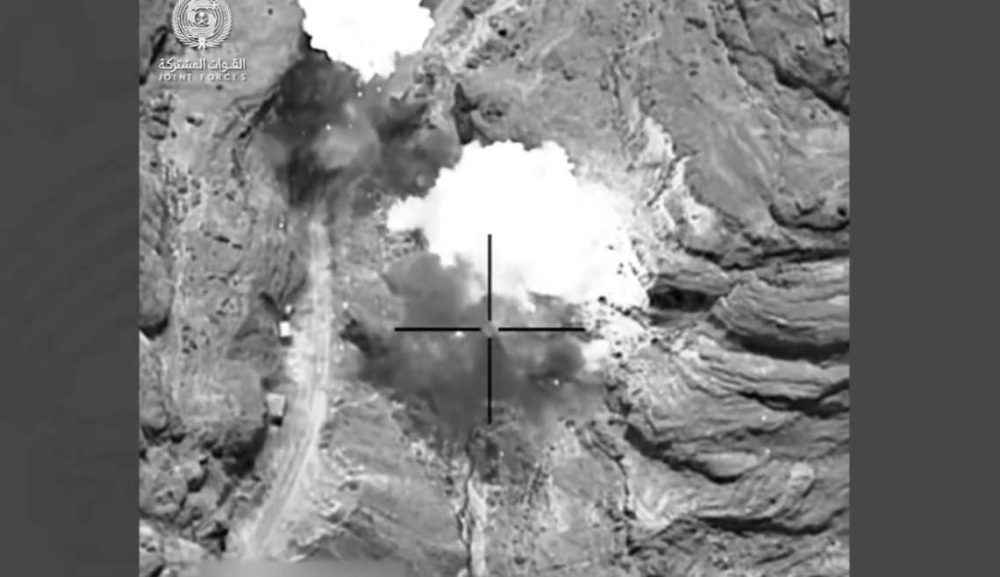
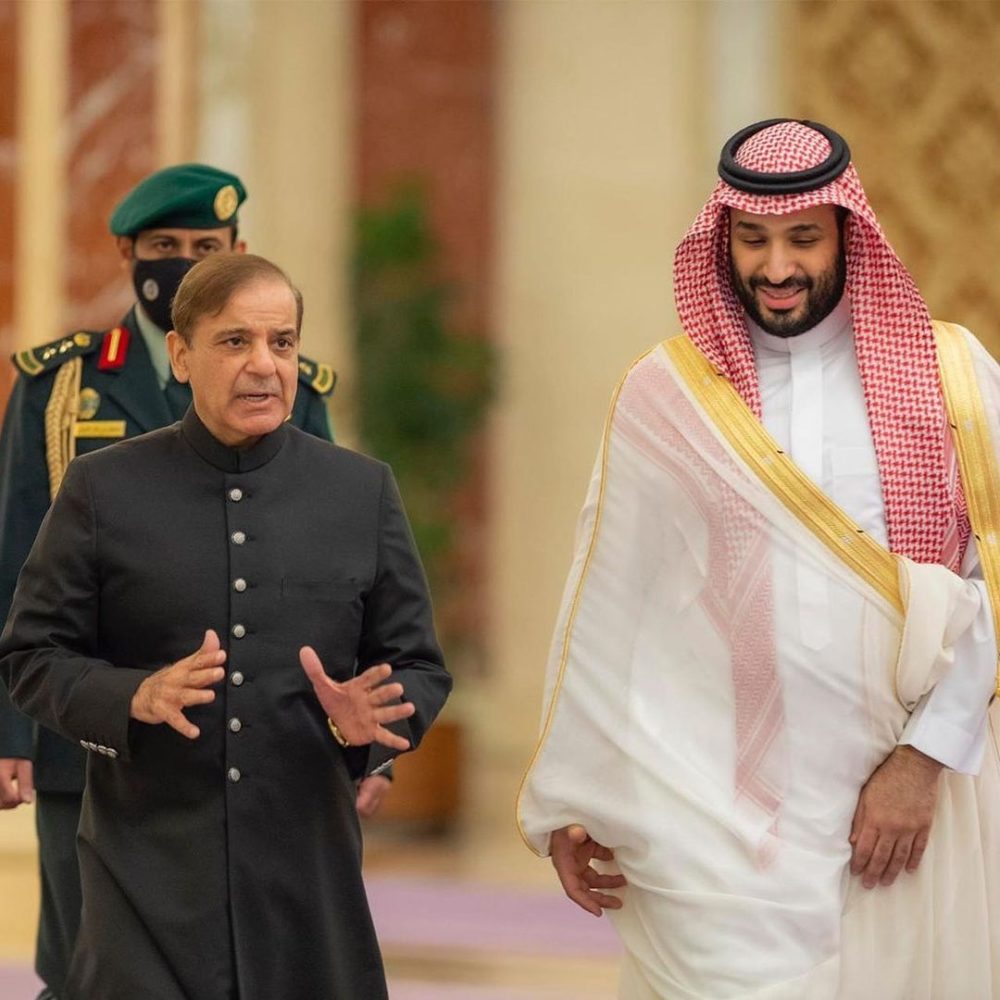
Pakistan’s expanding military role in Saudi Arabia amid the Yemen conflict could strain its defence resources and fragile finances…reports Asian Lite News Desk Pakistan’s military involvement in the war in Yemen may prove unsustainable because of mounting financial pressures and competing security demands, according to a new report. Islamabad’s growing military presence in Saudi Arabia risks stretching its defence resources while exposing the country to greater strategic and economic challenges. An article by Andrew Wilson in One World Outlook describes Pakistan’s involvement as a case of “fiscal and strategic overreach”, arguing that the country lacks the financial flexibility to sustain an expanded military commitment. Pakistan’s external finances depend heavily on an International Monetary Fund (IMF) programme, financial support from Gulf countries and remittances from Pakistani workers in the region. The report argues that deeper military involvement in the conflict could place additional pressure on these sources of financial stability. It also warns that deploying troops and military equipment abroad could weaken Pakistan’s capacity to address security challenges along its eastern border and deal with two domestic insurgencies. The move could also draw Islamabad into a conflict it has sought to approach cautiously. A Reuters report in May, citing Pakistani security and government sources, said Islamabad had deployed around 8,000 troops, a squadron of approximately 16 aircraft, mostly JF-17 fighter jets, two drone squadrons and a Chinese HQ-9 air-defence battery to Saudi Arabia. According to those sources, Riyadh was financing the deployment, with Pakistani personnel operating the equipment. The sources also said a confidential agreement contemplated the possibility of deploying up to 80,000 troops. Islamabad has not confirmed those figures, although it has acknowledged its military presence in Saudi Arabia, including the deployment of fighter jets at King Abdulaziz Air Base from April. The One World Outlook article argues that Saudi financial support can cover allowances and operating expenses but cannot easily replace military equipment needed elsewhere or resolve the political and strategic challenges of participating in the Yemen conflict. Pakistan’s defence budget is another concern. For the 2026-27 financial year, the federal government allocated PKR 3 trillion, or approximately $10.8 billion, to defence services. The allocation represents an 18 per cent increase from the original PKR 2.55 trillion provision and amounts to around 2.1 per cent of projected gross domestic product (GDP). Defence spending accounts for approximately 16 per cent of the federal government’s PKR 18.8 trillion expenditure. Military pensions are budgeted separately at PKR 822 billion, while debt servicing costs stand at approximately PKR 8 trillion, more than two-and-a-half times the defence allocation. The report argues that these competing financial obligations leave little room for additional military expenditure without placing further pressure on public finances. Pakistan’s reliance on IMF assistance also limits its fiscal flexibility. The country must meet the conditions attached to the programme, including a primary budget surplus target of 2 per cent of GDP and continued restraint on development spending. According to the article, these requirements make it difficult for Islamabad to finance an additional military commitment without compromising other budgetary priorities. Pakistan’s economic indicators offer limited reassurance. Economic growth for the 2025-26 financial year is estimated at between 3.6 and 3.7 per cent, while inflation reached approximately 10.3 per cent in September following an energy price shock. Foreign exchange reserves stood at around $21.5 billion at the end of September. Although this marks an improvement from the low levels recorded in 2023, the report notes that the reserves cover only a few months of imports. Financial assistance from Gulf partners remains central to Pakistan’s external stability. The article says Islamabad holds approximately $8 billion in Saudi deposits at its central bank. In July, the State Bank of Pakistan said Riyadh had extended the maturity of $5 billion in deposits to December 2028, easing the country’s immediate external financing requirements. A further $3 billion deposit was also extended in the spring. However, the article argues that these arrangements provide temporary relief rather than long-term financial independence, particularly as regional conflict threatens the stability of the Gulf economies on which Pakistan relies. The report concludes that Pakistan faces a difficult balance between supporting Saudi Arabia militarily and preserving the financial and military resources needed to address its domestic and regional challenges.
Go toTop

Don't Miss

 UAE partners with UN Climate Security Mechanism

The initiative also includes unearmarked funding for the CSM itself,

UAE, WEF Share Same Vision: Sheikh Mohammed

Sheikh Mohammed affirmed that the most important pillar upon which